BACK TO finale_winnerS
Judges' Choice
STORIES UNFOLD: THE TALE OF A SINGLE MOTHER
STORIES UNFOLD : THE TALE OF A SINGLE MOTHER Imagine a woman-a single mother navigatng the world not for luxury, but for survival. Every step she takes is shadowed by fear-not just of financial instability, but of harassment, assault, and the unthinkable: what happens to her child if she is harmed? In many parts of […]

STORIES UNFOLD : THE TALE OF A SINGLE MOTHER
Imagine a woman-a single mother navigatng the world not for luxury, but for survival. Every step she takes is shadowed by fear-not just of financial instability, but of harassment, assault, and the unthinkable: what happens to her child if she is harmed? In many parts of the world, public spaces are not designed for women. Poor lighting, unsafe streets, and a lack of secure workplaces expose them to violence, especially those struggling to make ends meet.
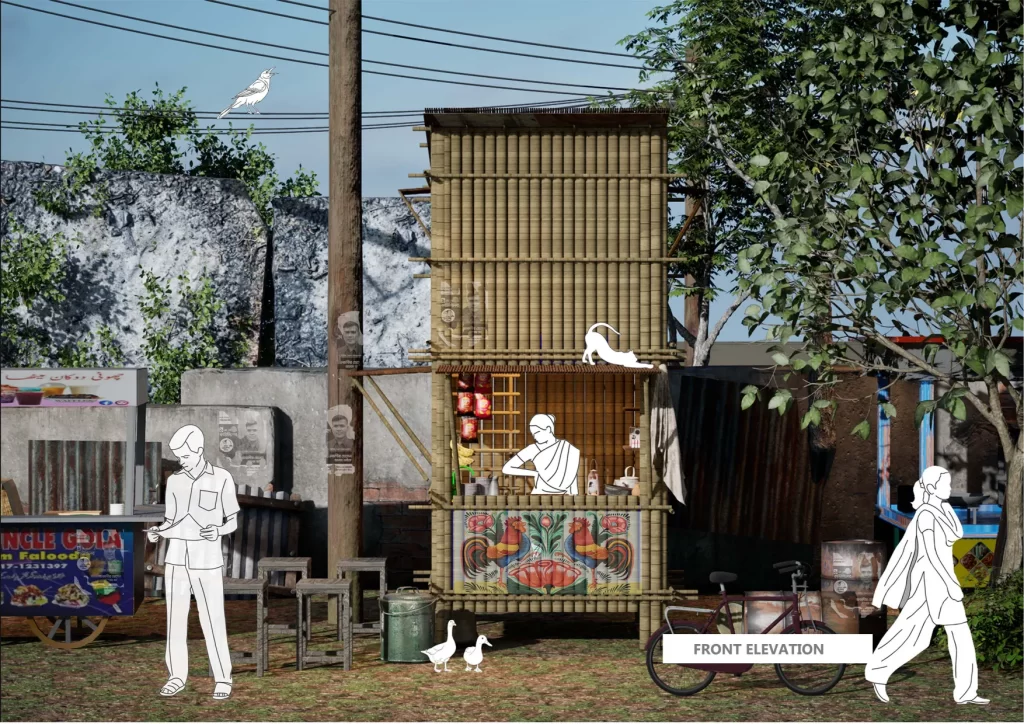
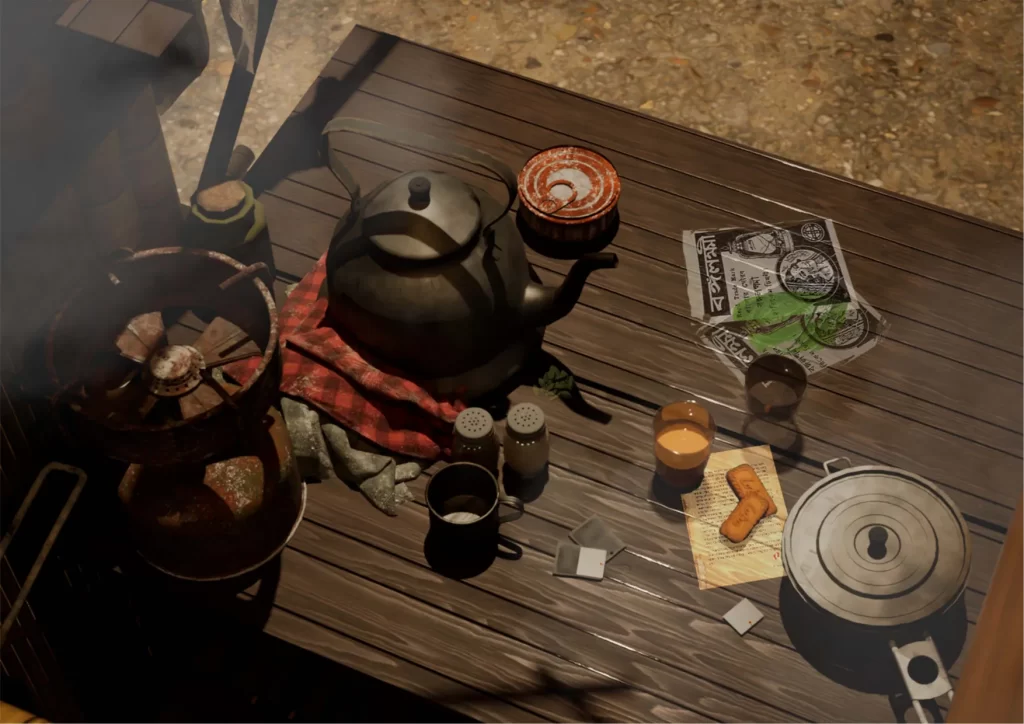
In Bangladesh, tea stalls-cha er dokan-are more than just places for a quick drink. They are the heartbeat of local communities, where stories unfold, strangers become friends, and life slows down for a moment.It is also a place where the social issues are discussed. But they are also male-dominated spaces, where women, especially single mothers, are rarely seen-not because they don’t belong, but because they don’t feel safe.
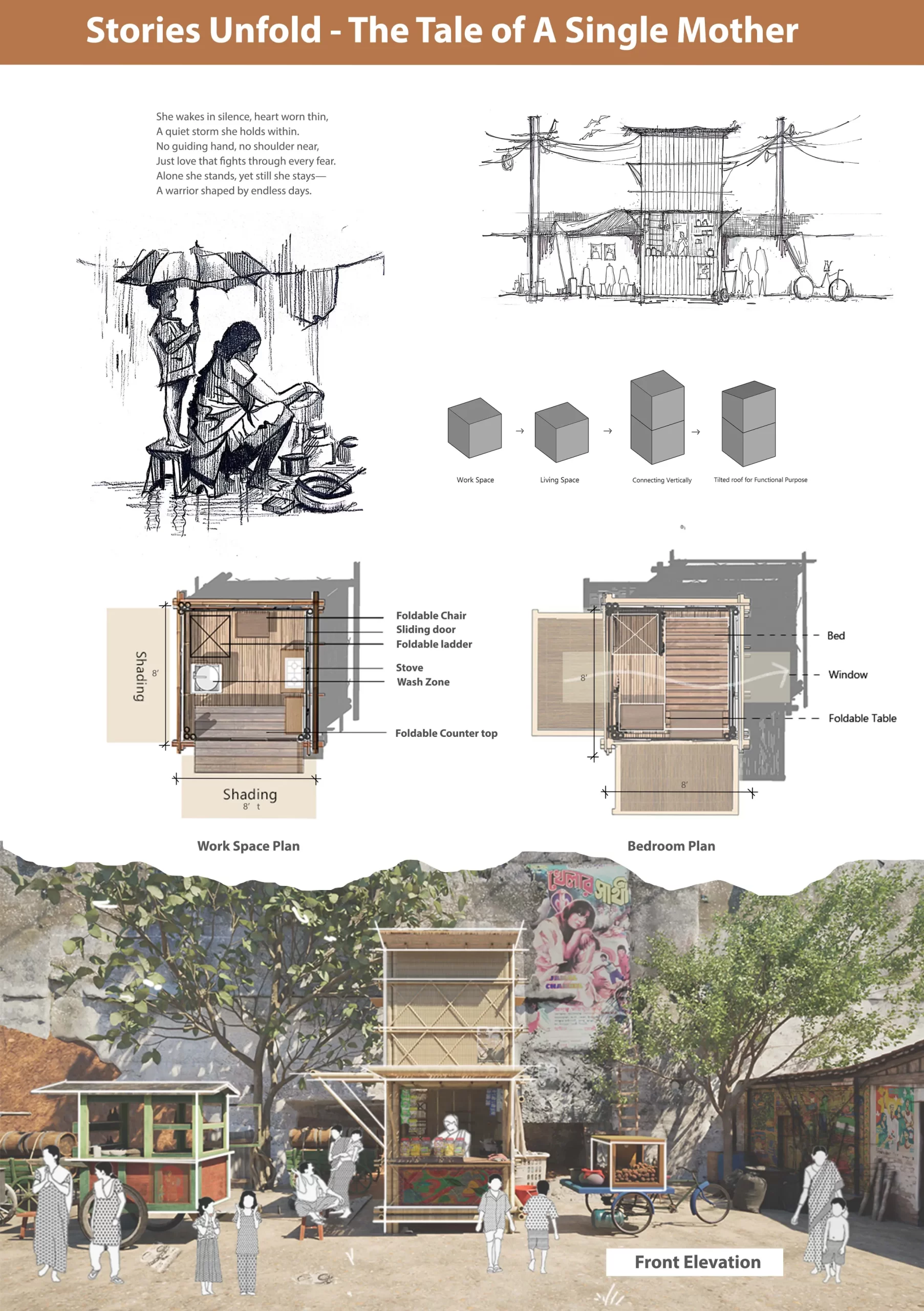
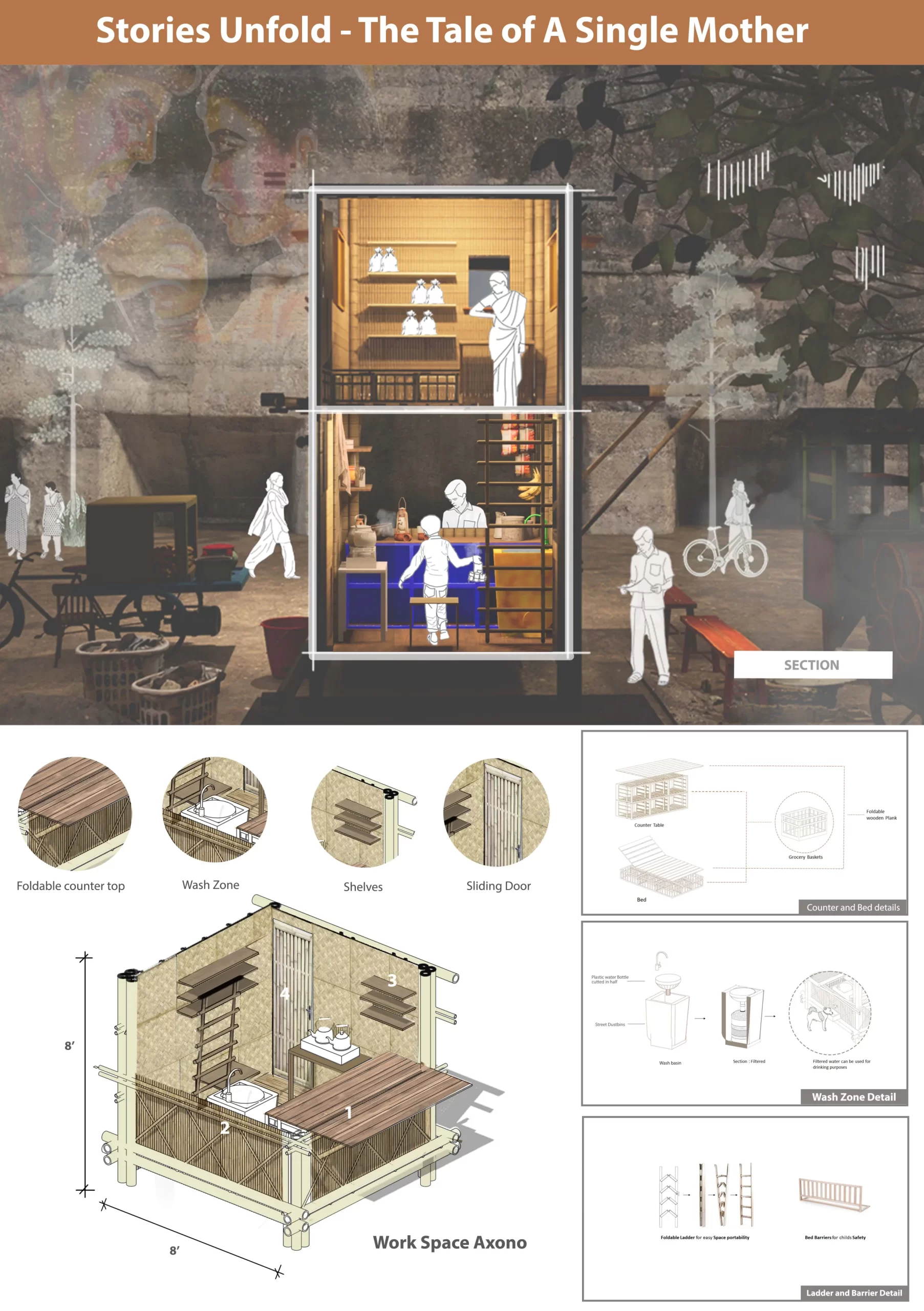
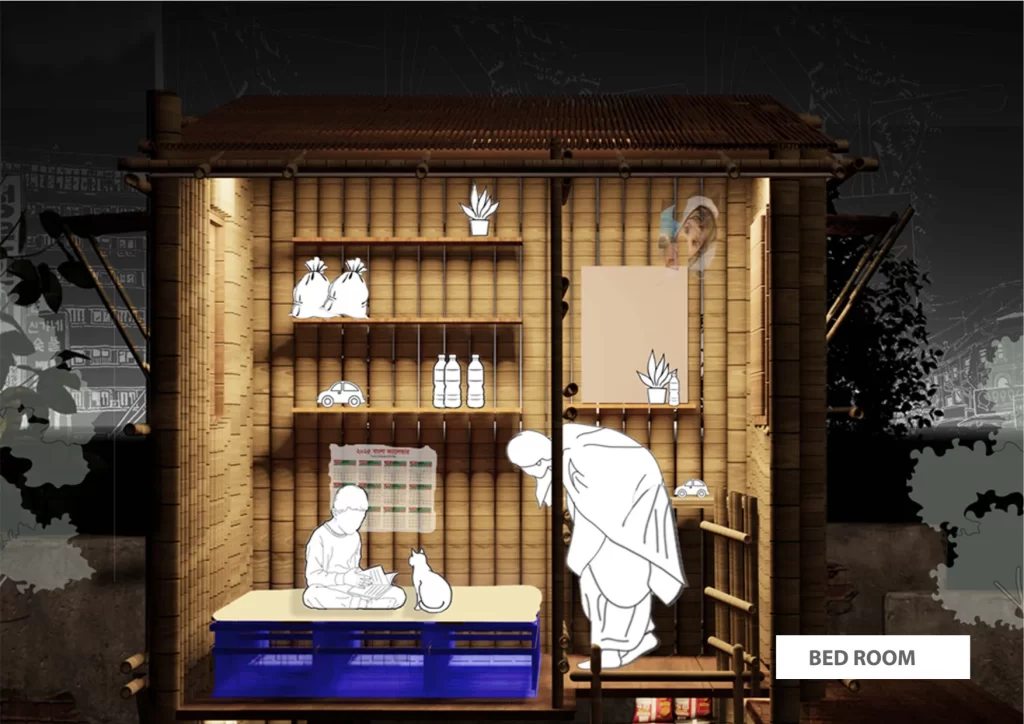
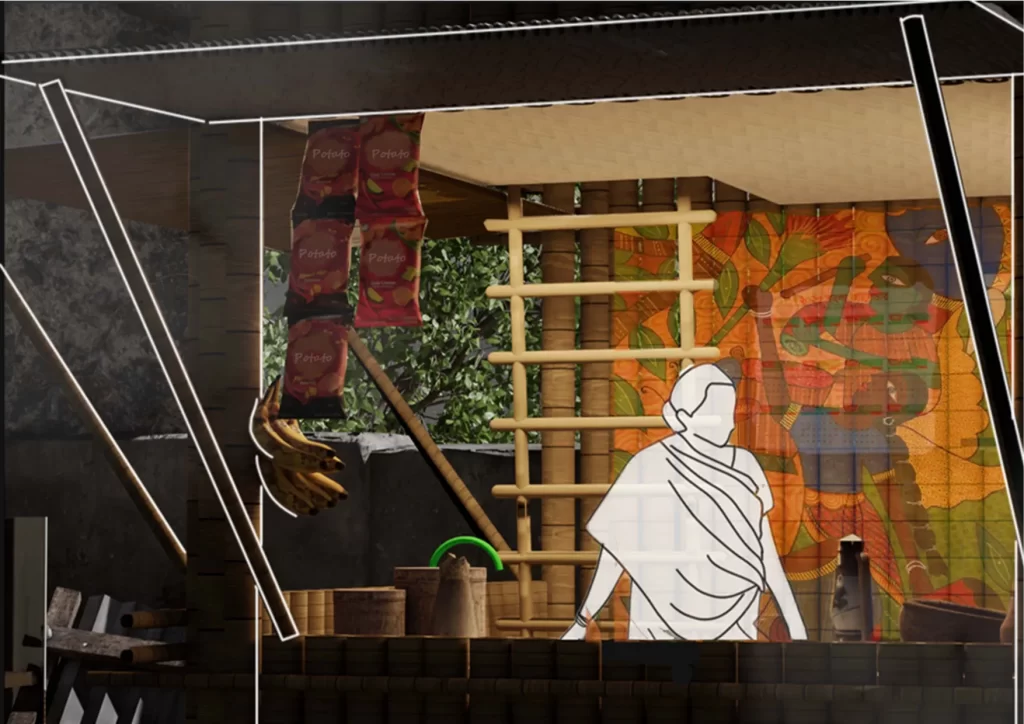
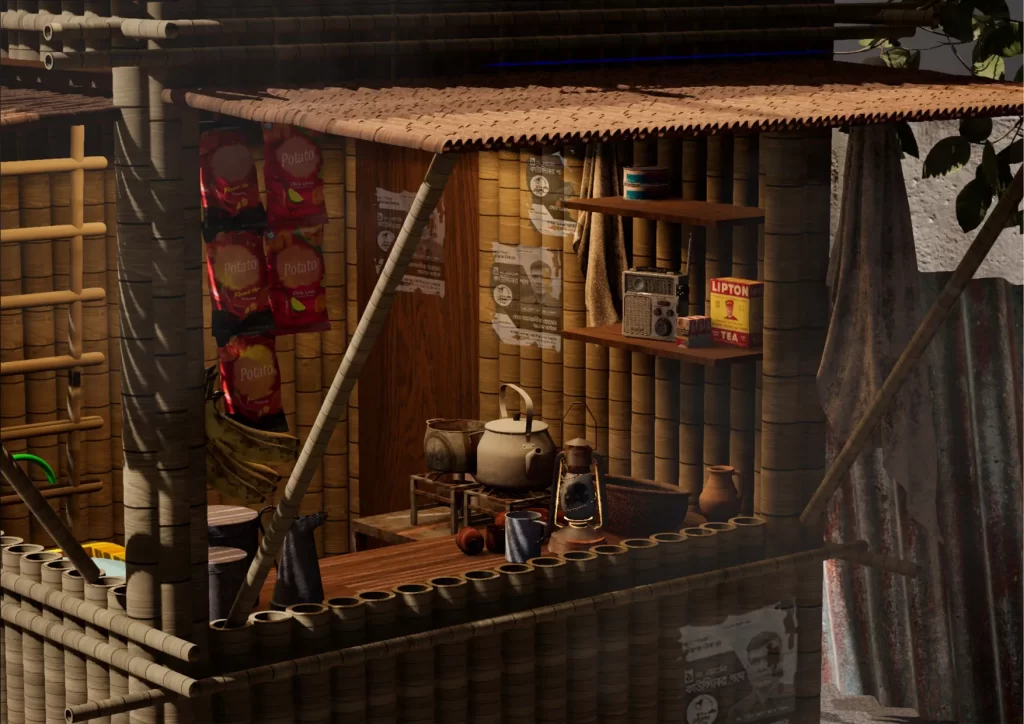
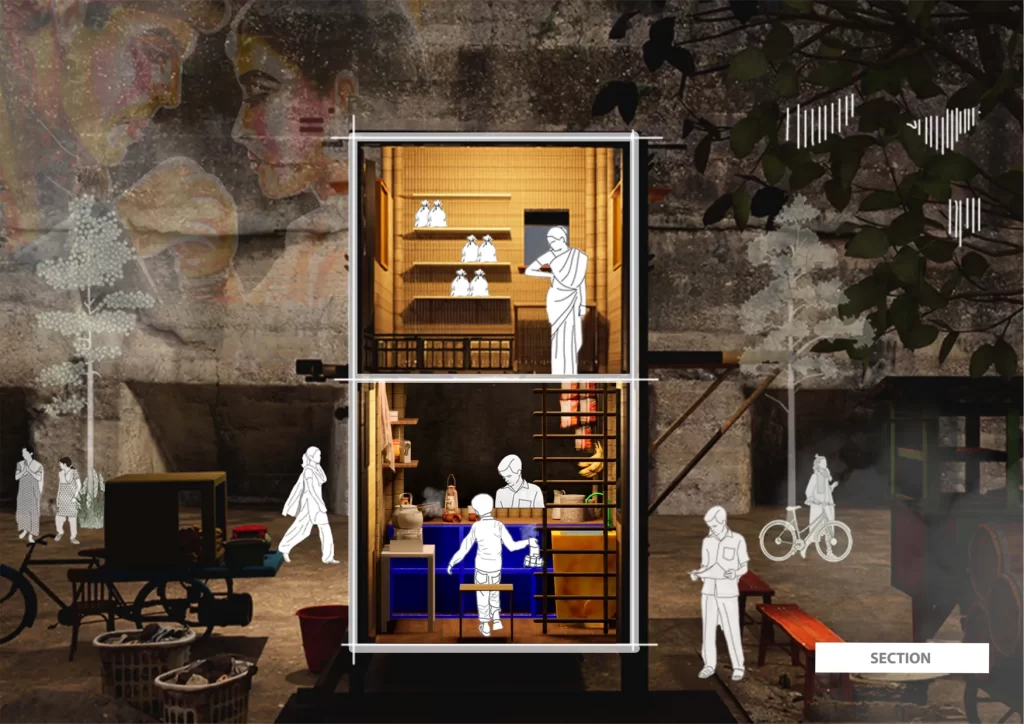
My project reclaims this space. It reimagines the Bangladeshi tea stall as a platform for inclusion, dignity, and protection. This isn’t just a business-it's a lifeline. Designed with sustainable materials, spatial efficiency, and built-in safety, the stall offers a secure workspace and shelter. It addresses the deep rooted fears women face daily fear of harassment, assault, or worse. It creates a micro-environment where a mother can work, care for her child, and connect with the community without fear.
Addressing the Neglect
In many parts of Bangladesh, single mothers face systemic neglect-socially, economically, and spatially. Public infrastructure rarely considers their needs. Tea stalls, though vital to community life, are traditionally male-dominated, leaving women excluded from both opportunity and safety. This project directly challenges that exclusion by proposing a tea stall specifically designed for single mothers recognizing them as active participants in the public and economic landscape.
Sustainability Woven into Design
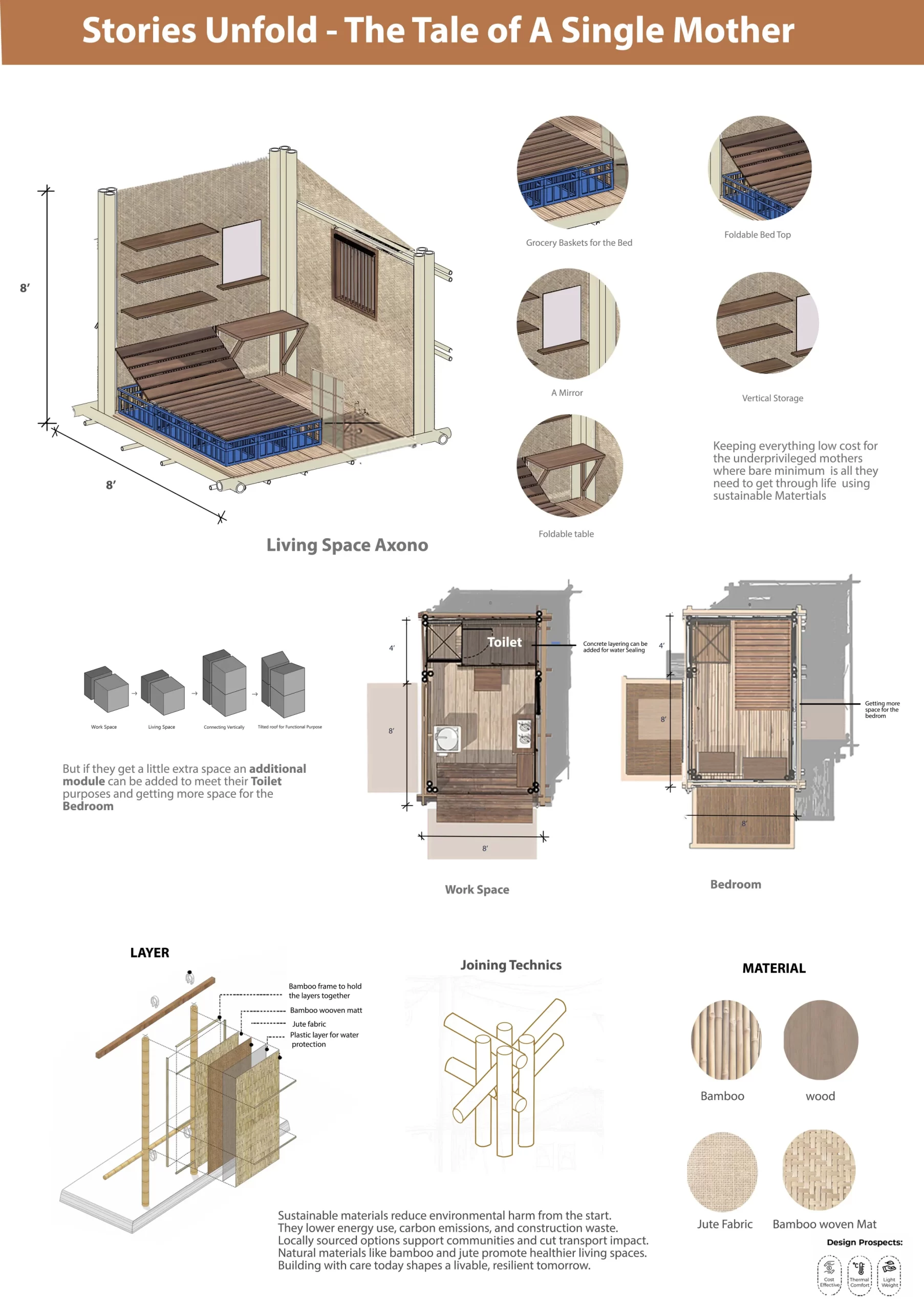
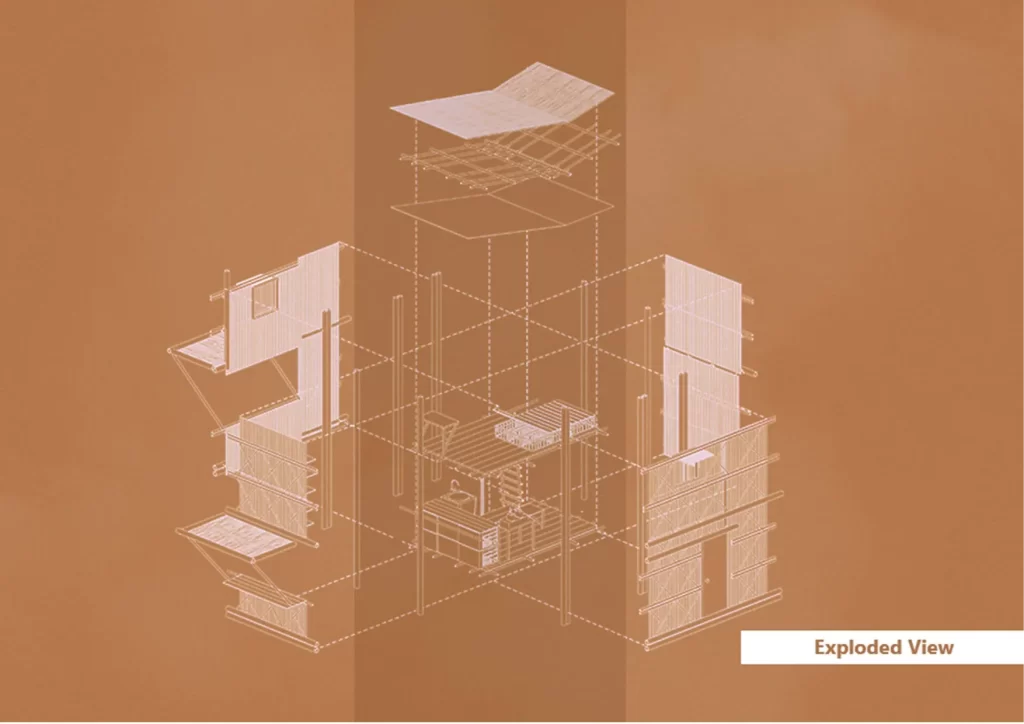
Sustainability is a core component of this intervention. The stall utilizes low-cost, reusable, and locally sourced materials, reducing environmental impact while remaining affordable. The structure is compact, modular, and multifunctional, minimizing resource use and maximizing efficiency. The design proves that sustainable solutions can be accessible and scalable, even in low-income urban contexts.
Inclusive Design for Empowerment
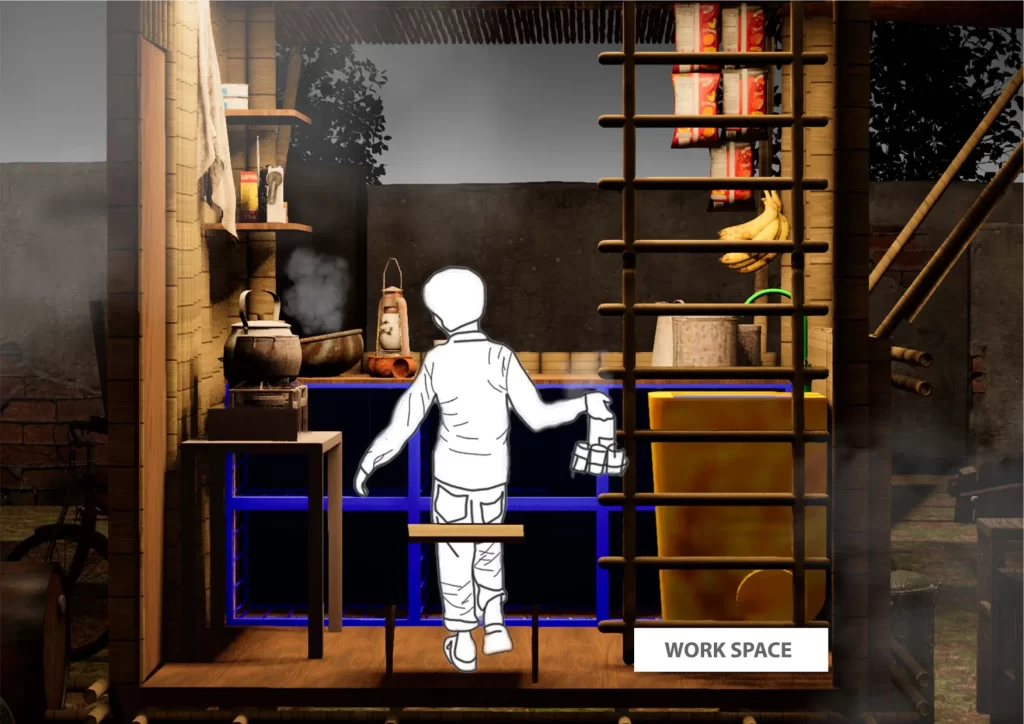
This stall prioritizes safety, privacy, and functionality. It serves not only as a workspace but also offers basic shelter, allowing a single mother to care for her child while earning a living. Its layout ensures visibility, control, and ease of use. The project redefines informal vending as a dignified, secure, and empowering form of urban micro-entrepreneurship.
Growing Stronger Through Connection
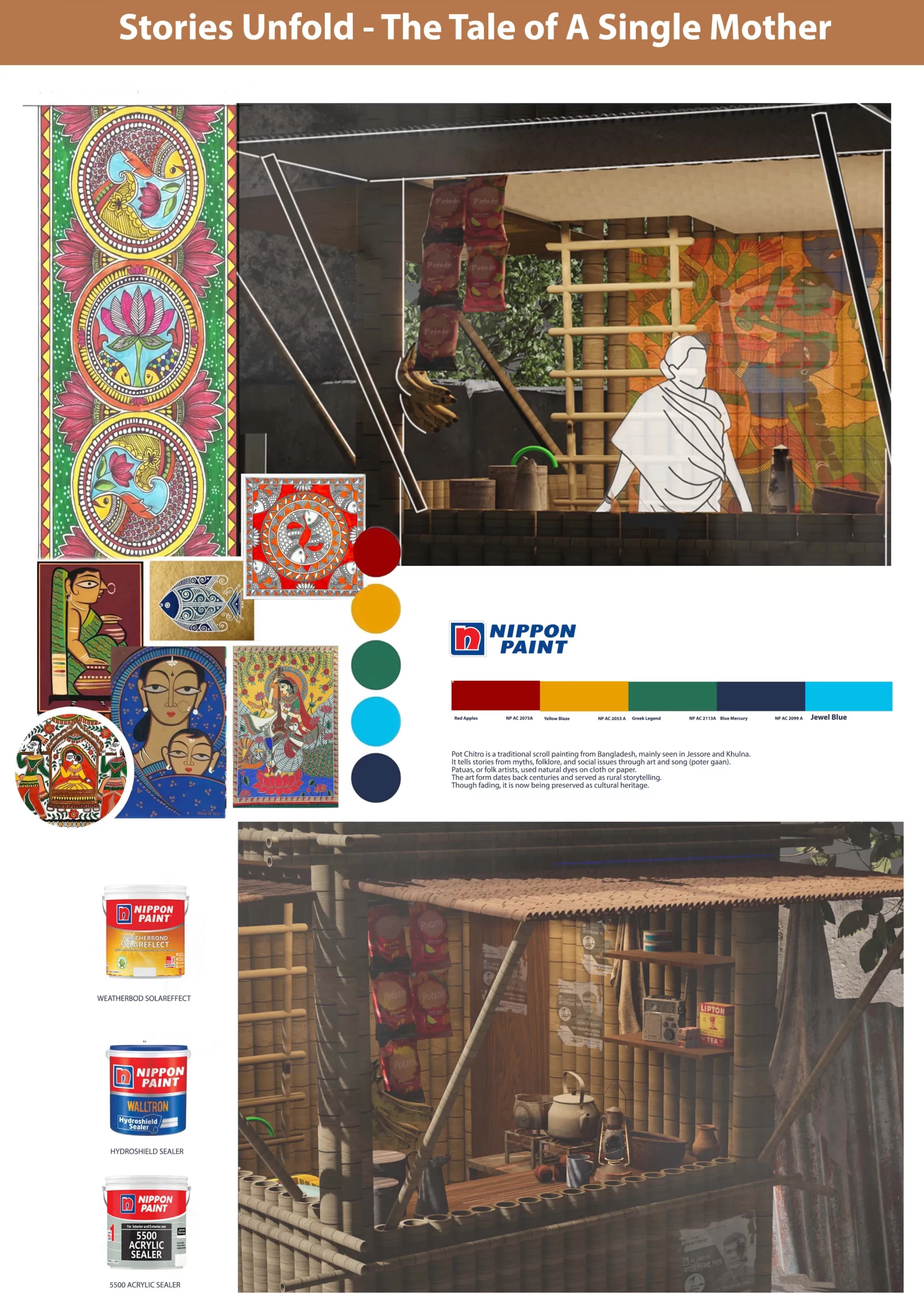
Beyond economic survival, this design fosters connection. By integrating into the local context of Bangladeshi tea culture, it helps rebuild community ties and visibility for women. The stall becomes a point of interaction, resilience, and support-turning marginalized presence into empowered participation. Connect with the community without fear.
Now, imagine that same mother-but this time, she’s standing behind her own stall, not just surviving, but thriving. Her child plays safely within reach, and at night, they sleep in security. This is not just an architectural solution-it is a reimagining of urban resilience, proving that small interventions can lead to big transformations. If we scale this idea, we are not just building stalls-we are building futures where no woman has to choose between economic independence and personal safety.
Showcase your design to an international audience
SUBMIT NOW
Image: Agrapolis Urban Permaculture Farm by David Johanes Palar
Top
STORIES UNFOLD : THE TALE OF A SINGLE MOTHER Imagine a woman-a single mother navigatng the world not for luxury, but for survival. Every step she takes is shadowed by fear-not just of financial instability, but of harassment, assault, and the unthinkable: what happens to her child if she is harmed? In many parts of the world, public spaces are not designed for women. Poor lighting, unsafe streets, and a lack of secure workplaces expose them to violence, especially those struggling to make ends meet. In Bangladesh, tea stalls-cha er dokan-are more than just places for a quick drink. They are the heartbeat of local communities, where stories unfold, strangers become friends, and life slows down for a moment.It is also a place where the social issues are discussed. But they are also male-dominated spaces, where women, especially single mothers, are rarely seen-not because they don’t belong, but because they don’t feel safe. My project reclaims this space. It reimagines the Bangladeshi tea stall as a platform for inclusion, dignity, and protection. This isn’t just a business-it's a lifeline. Designed with sustainable materials, spatial efficiency, and built-in safety, the stall offers a secure workspace and shelter. It addresses the deep rooted fears women face daily fear of harassment, assault, or worse. It creates a micro-environment where a mother can work, care for her child, and connect with the community without fear. Addressing the Neglect In many parts of Bangladesh, single mothers face systemic neglect-socially, economically, and spatially. Public infrastructure rarely considers their needs. Tea stalls, though vital to community life, are traditionally male-dominated, leaving women excluded from both opportunity and safety. This project directly challenges that exclusion by proposing a tea stall specifically designed for single mothers recognizing them as active participants in the public and economic landscape. Sustainability Woven into Design Sustainability is a core component of this intervention. The stall utilizes low-cost, reusable, and locally sourced materials, reducing environmental impact while remaining affordable. The structure is compact, modular, and multifunctional, minimizing resource use and maximizing efficiency. The design proves that sustainable solutions can be accessible and scalable, even in low-income urban contexts. Inclusive Design for Empowerment This stall prioritizes safety, privacy, and functionality. It serves not only as a workspace but also offers basic shelter, allowing a single mother to care for her child while earning a living. Its layout ensures visibility, control, and ease of use. The project redefines informal vending as a dignified, secure, and empowering form of urban micro-entrepreneurship. Growing Stronger Through Connection Beyond economic survival, this design fosters connection. By integrating into the local context of Bangladeshi tea culture, it helps rebuild community ties and visibility for women. The stall becomes a point of interaction, resilience, and support-turning marginalized presence into empowered participation. Connect with the community without fear.
Now, imagine that same mother-but this time, she’s standing behind her own stall, not just surviving, but thriving. Her child plays safely within reach, and at night, they sleep in security. This is not just an architectural solution-it is a reimagining of urban resilience, proving that small interventions can lead to big transformations. If we scale this idea, we are not just building stalls-we are building futures where no woman has to choose between economic independence and personal safety.

The AYDA Awards is part of Colouring Lives, Nippon Paint’s Corporate Social Responsibility (CSR) programme, which is dedicated to nurturing the next generation of Architectural and Interior Design talents. Through cross-learning and industry exposure, AYDA provides a platform for students to develop their skills and grow as designers. Discover more of Nippon Paint’s CSR initiatives under Colouring Lives.