BACK TO finale_winnerS
HONORARY MENTION: INTERIOR DESIGN CATEGORY
LOOM
Design Concept Statement LOOM is an immersive cultural retreat in Yangon, Myanmar, designed to preserve and revitalise the country’s weaving heritage through meaningful engagement, sustainable systems, and community-centred design. By transforming a historic site on Pansodan Street into a space where artisans, visitors, and culture intersect, LOOM positions weaving not only as an artistic tradition […]

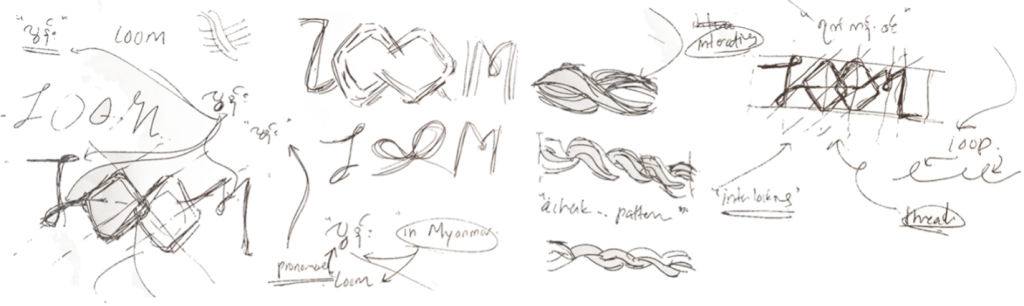
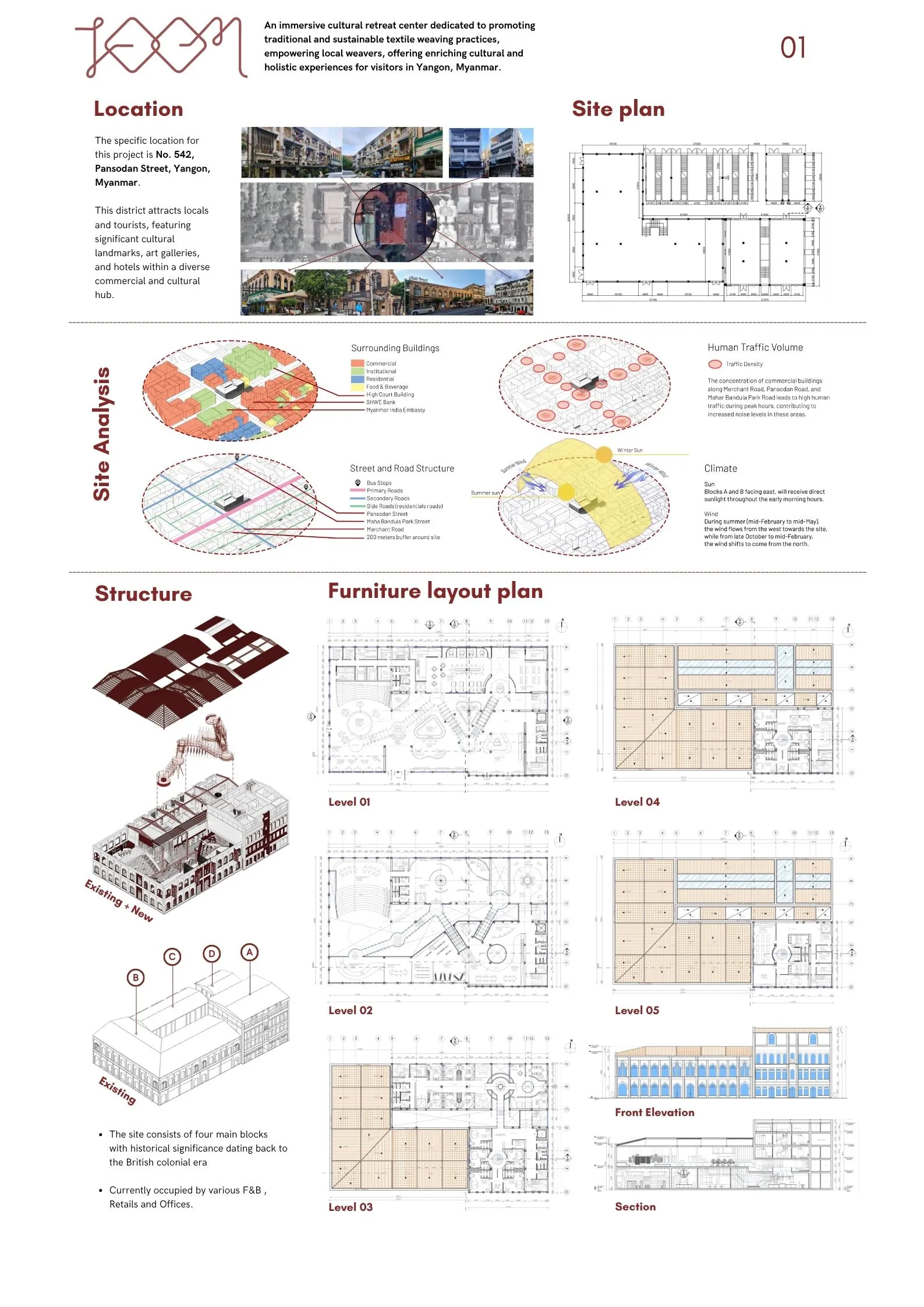
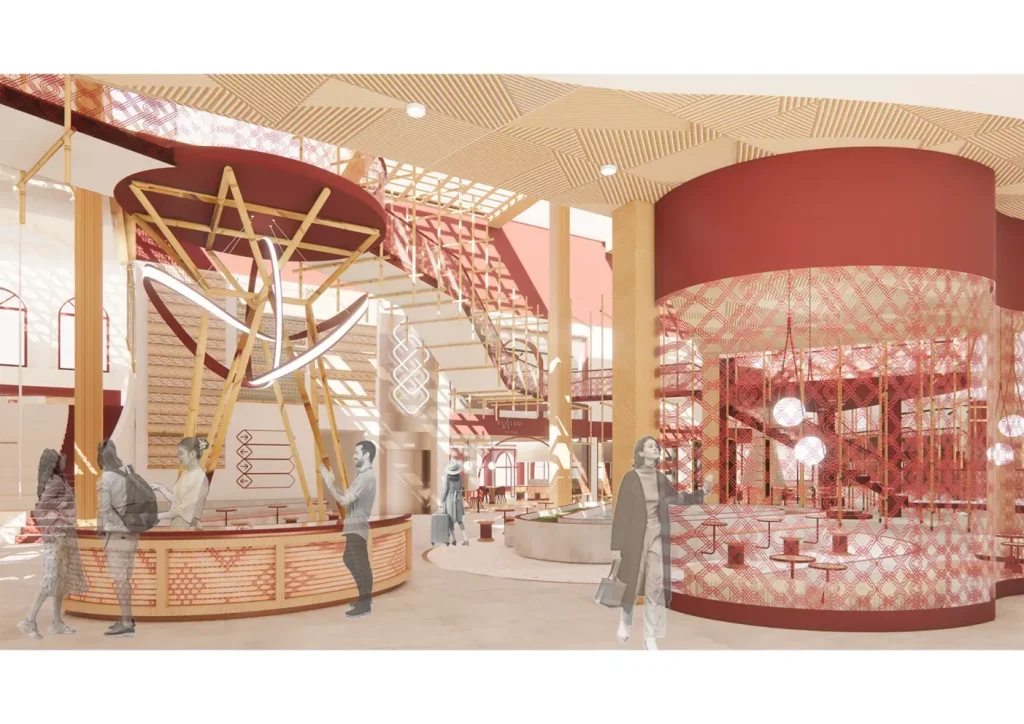
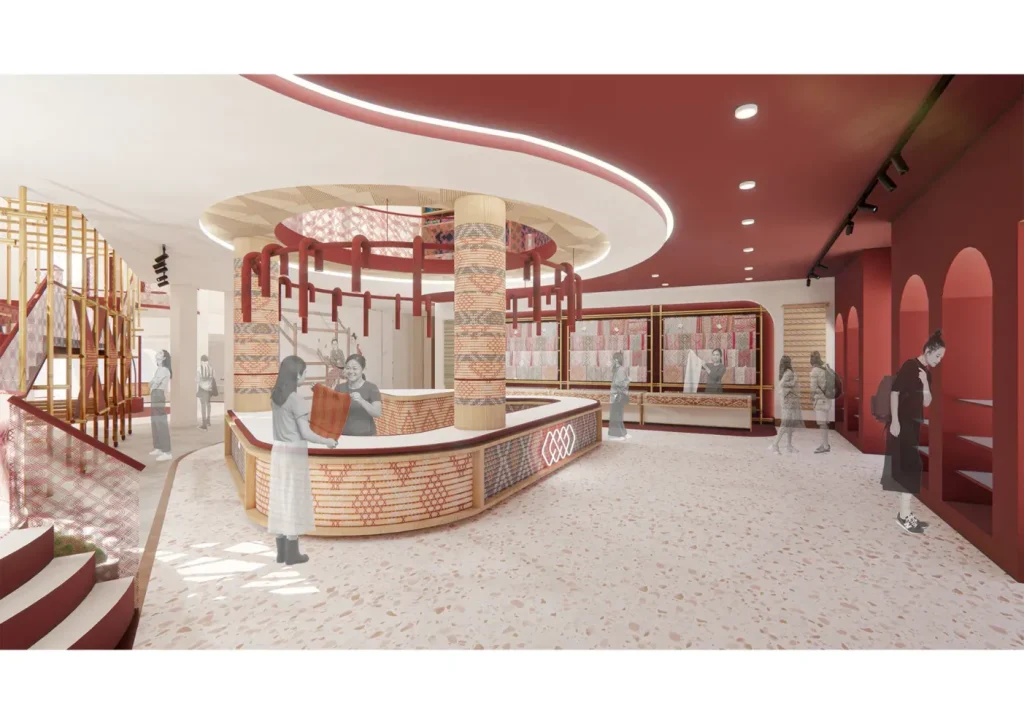
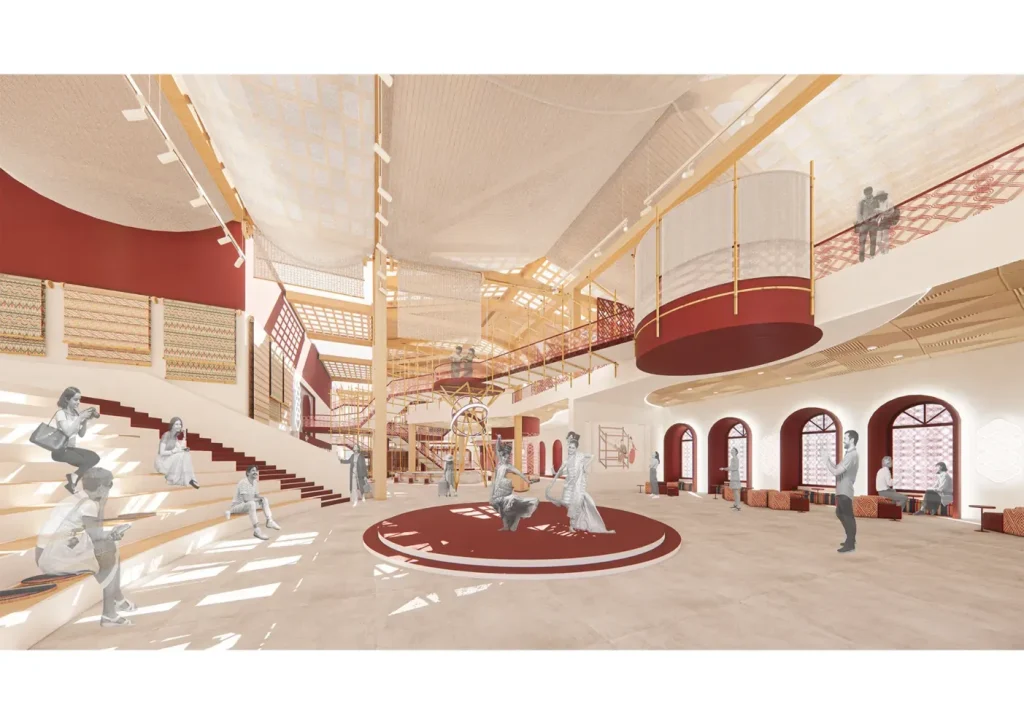
LOOM is an immersive cultural retreat in Yangon, Myanmar, designed to preserve and revitalise the country’s weaving heritage through meaningful engagement, sustainable systems, and community-centred design. By transforming a historic site on Pansodan Street into a space where artisans, visitors, and culture intersect, LOOM positions weaving not only as an artistic tradition but also as a dynamic framework that continues to evolve. The project reinterprets the act of weaving, threads crossing, connecting, and supporting one another as an architectural and social concept that shapes every space within the retreat.
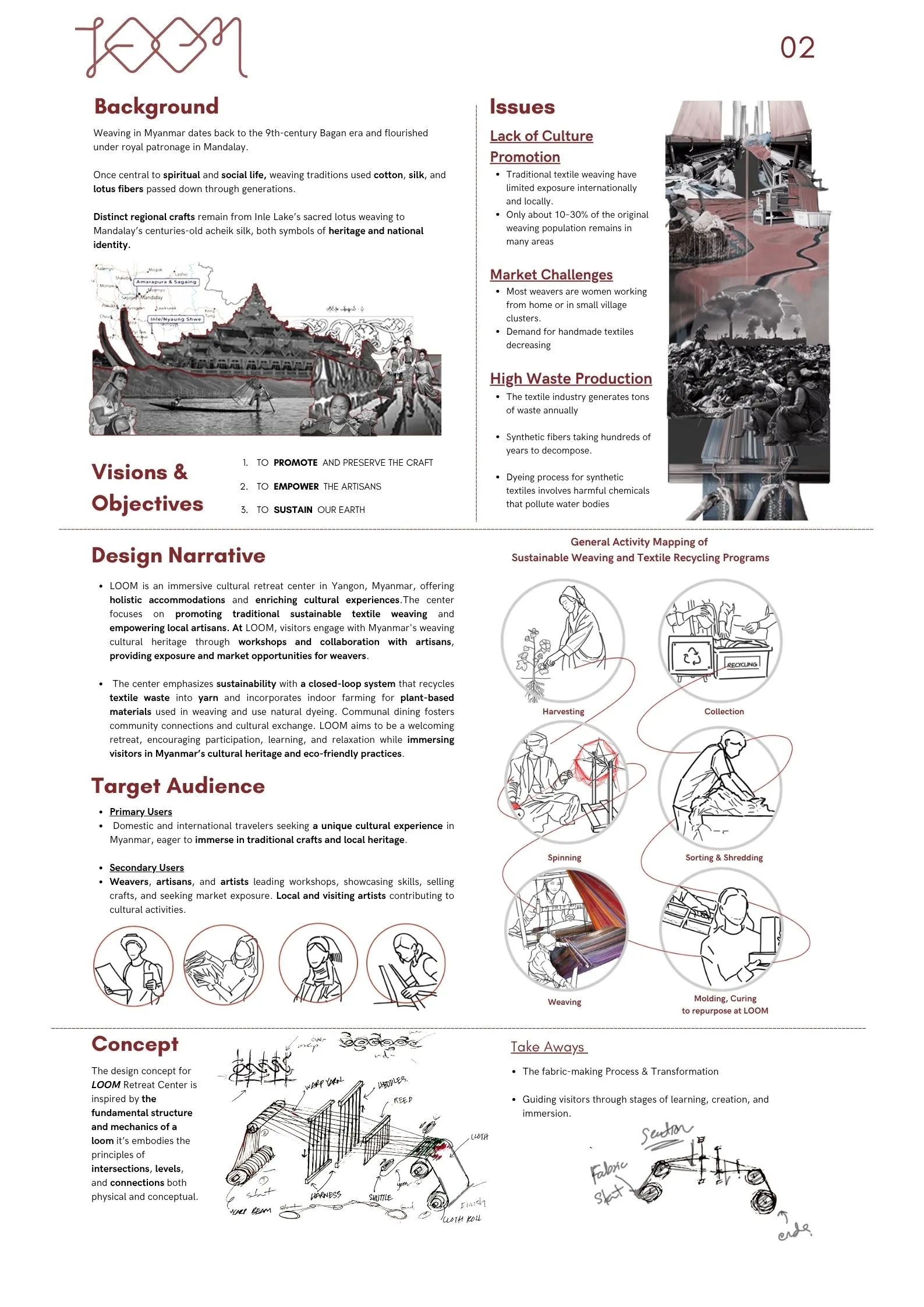
Myanmar’s textile traditions carry centuries of cultural memory. From Inle Lake’s lotus weaving to Mandalay’s acheik silk, these practices reflect identity, spirituality, and craftsmanship passed down through generations. However, rapid industrialisation, limited exposure for rural artisans, and the rise of synthetic textile production have placed immense pressure on these traditions. LOOM responds by creating an environment where heritage can be experienced, learned, practised, and sustained in contemporary ways.
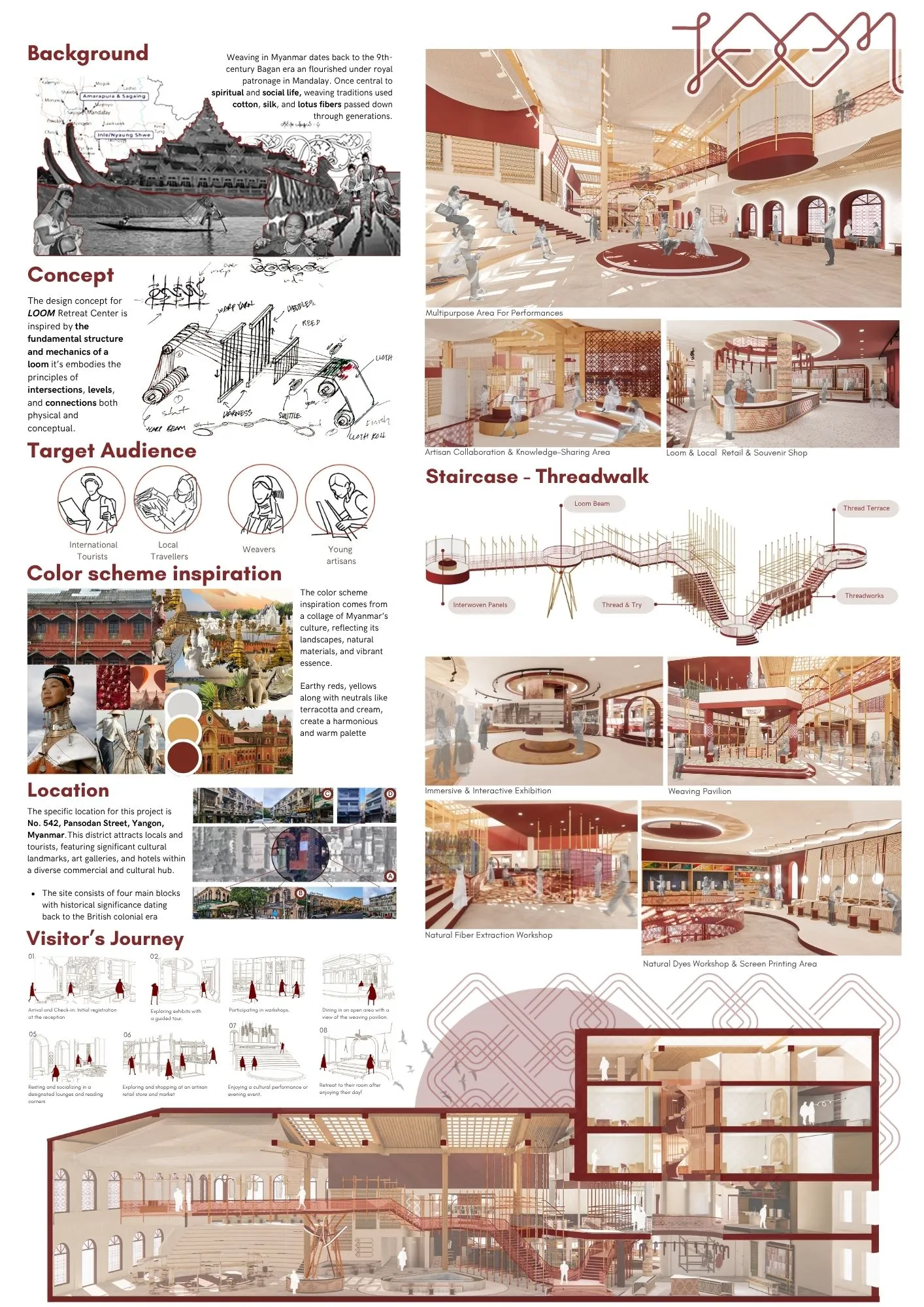
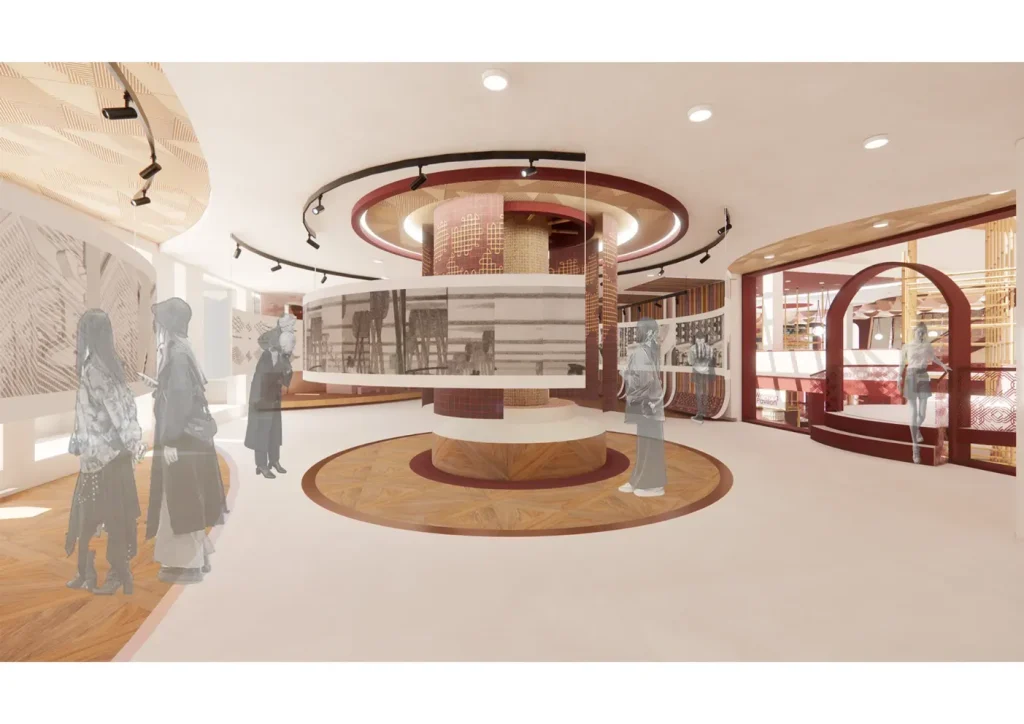
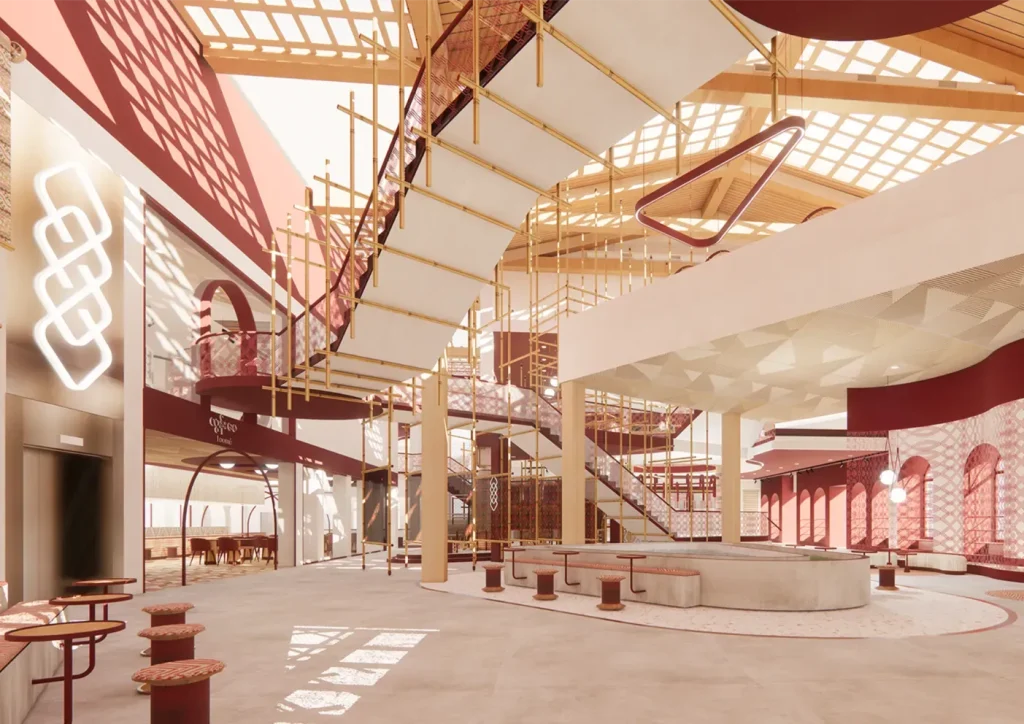
The project begins with the decision to reuse the existing colonial-era blocks on the site adaptively. This approach preserves the layered history of the neighbourhood while reducing the environmental impact associated with demolition and new construction. The buildings' interconnected forms become a canvas for new interventions, including thread-like walkways, layered platforms, and intersecting volumes, which reinterpret weaving structures in spatial composition. Circulation paths mimic the movement of yarn passing through a loom, creating a rhythmic, continuous, and intentionally crafted journey.
LOOM’s program is organised around four interdependent pillars: Heritage, Sustainability, Community, and Well-being. These pillars interlace to form a holistic experience where culture is not observed from a distance but lived through participation and exchange.
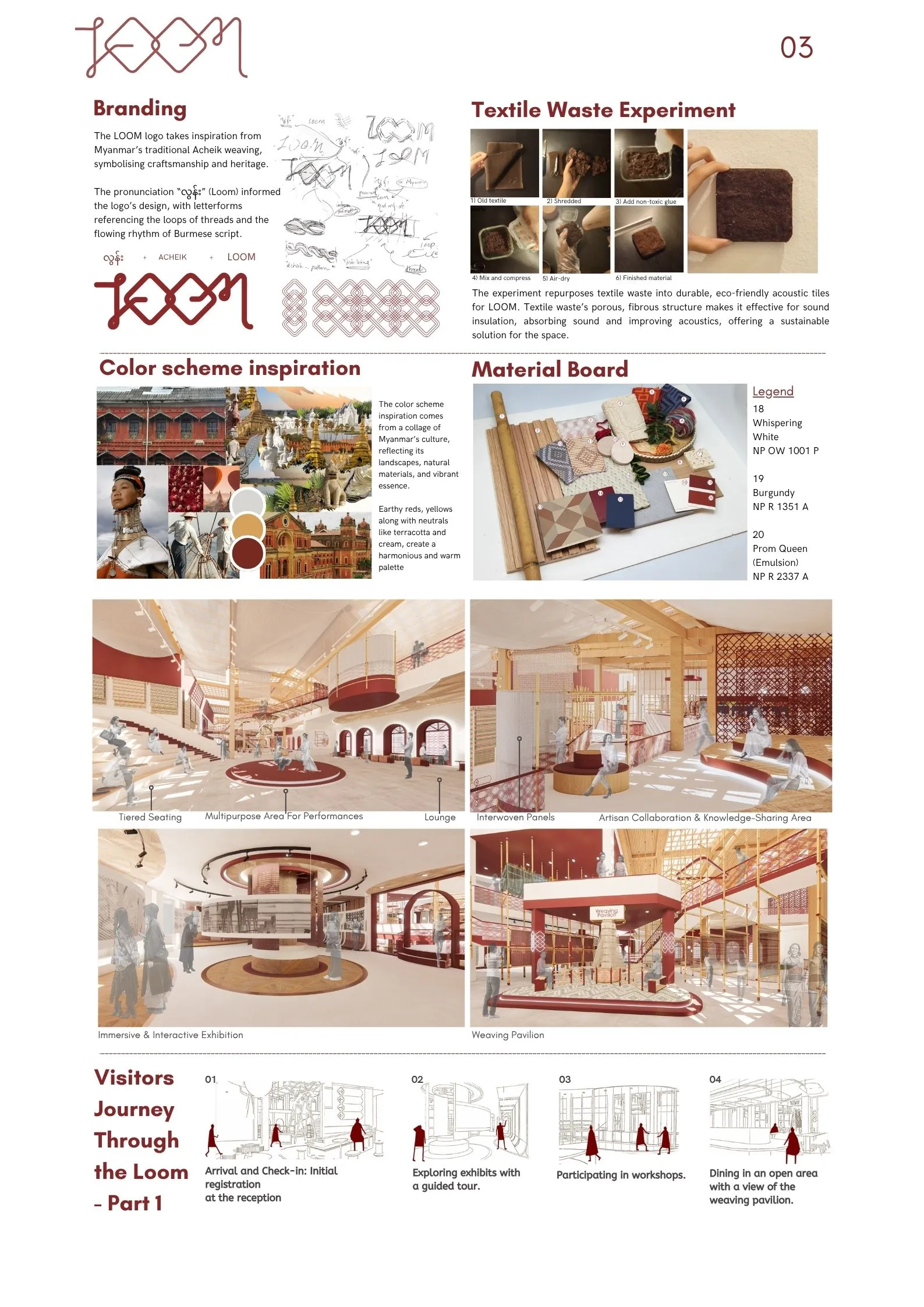
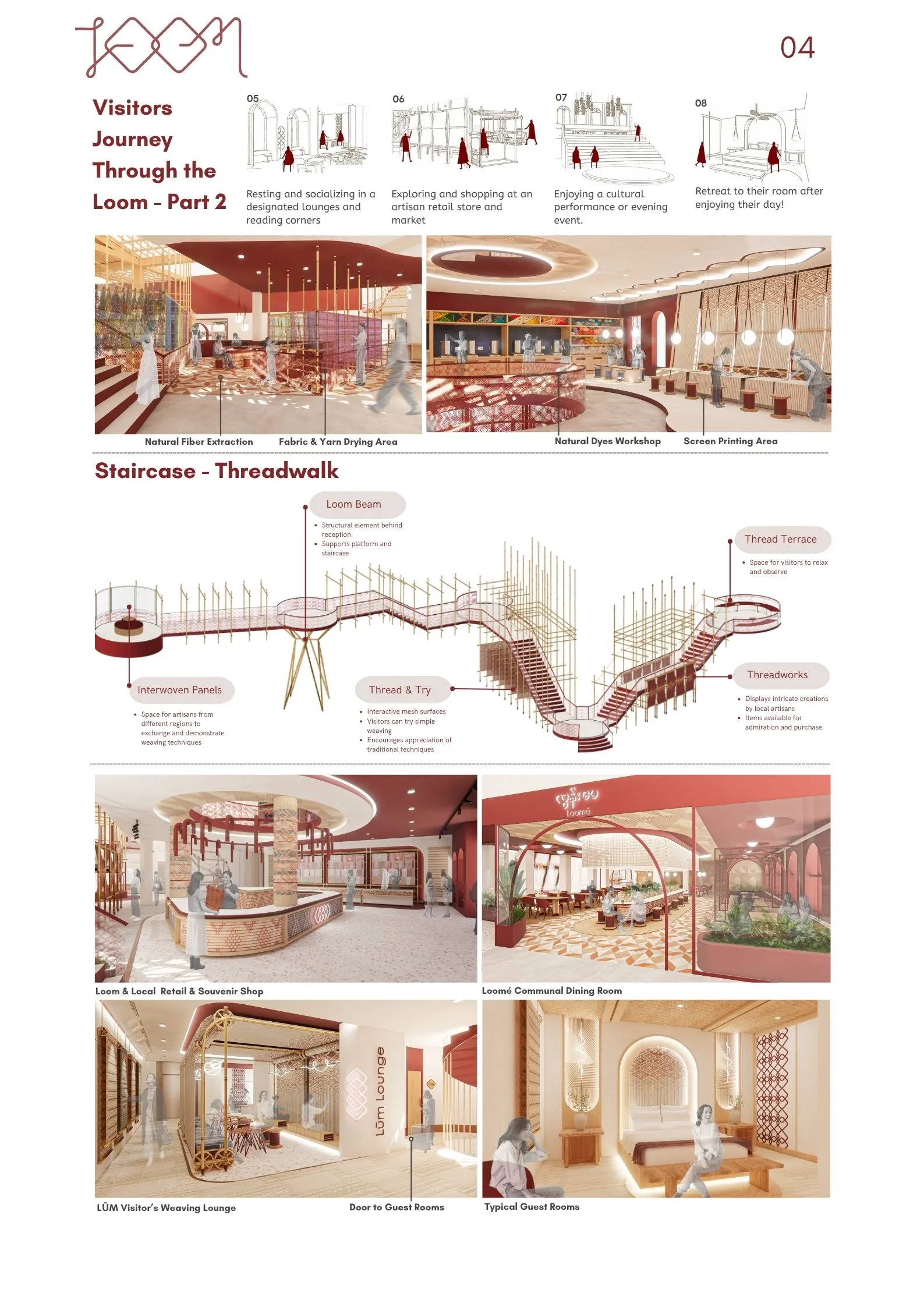
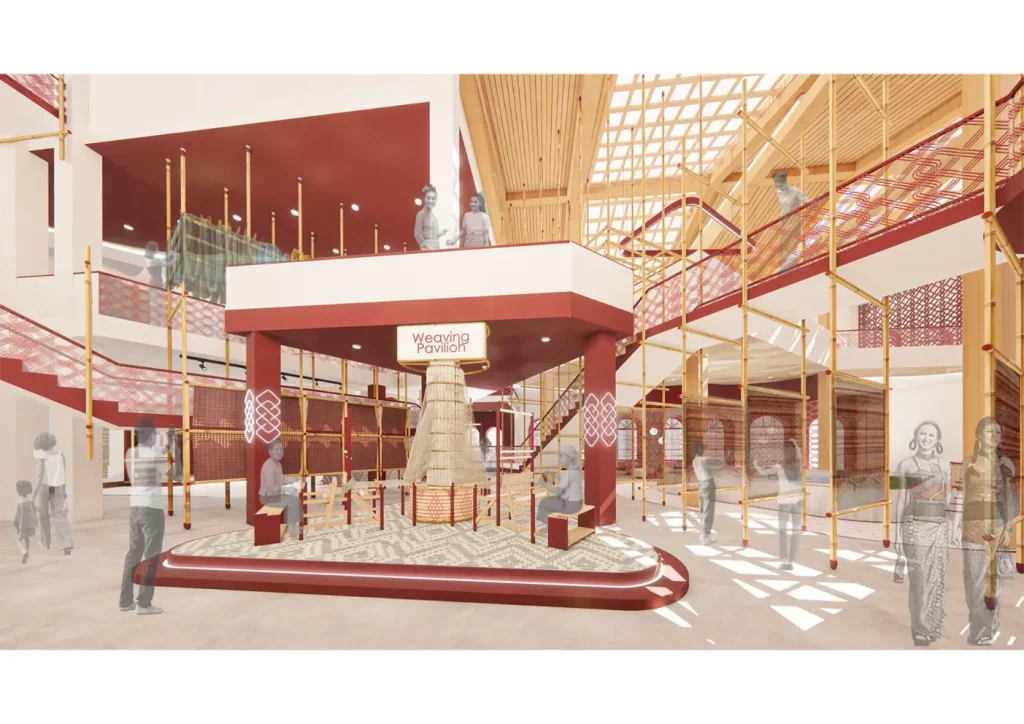
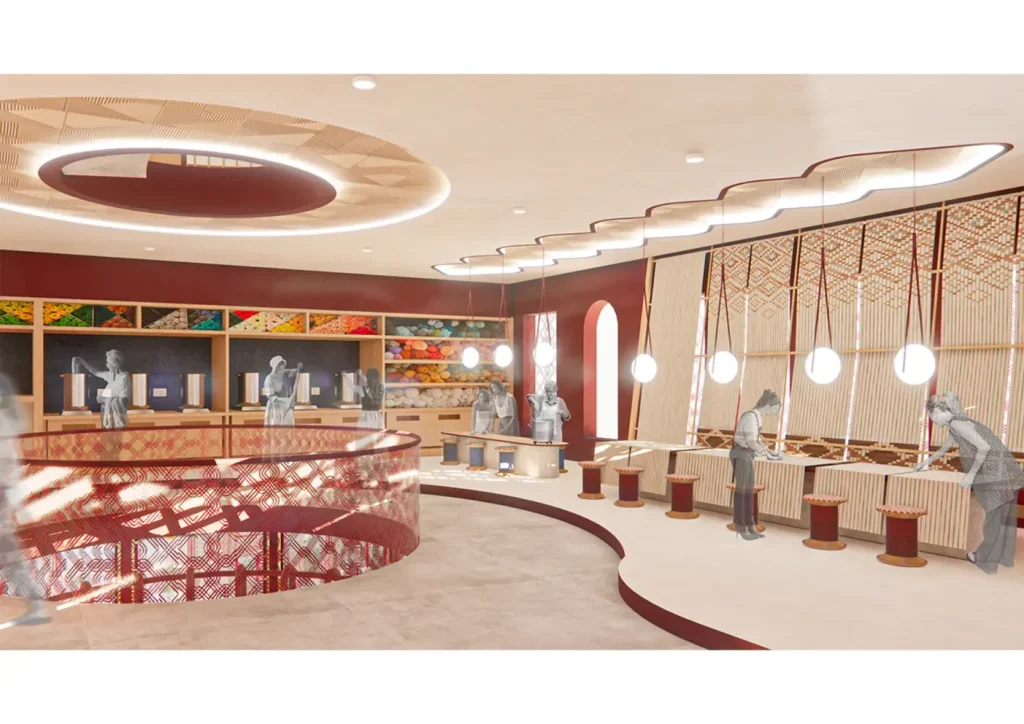
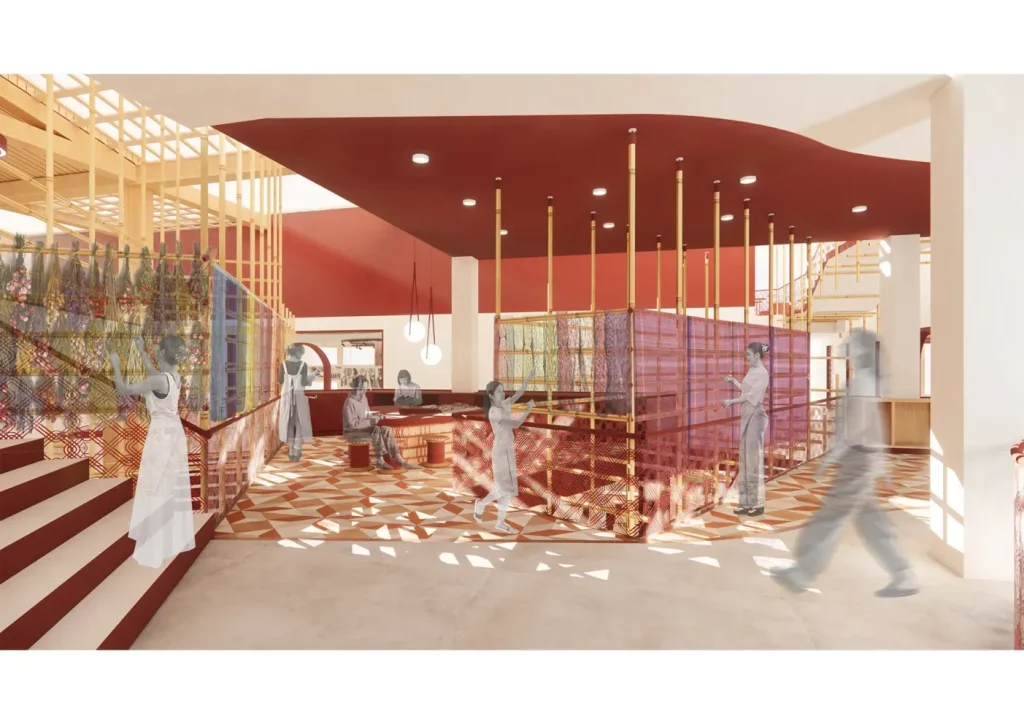
The weaving studios at the heart of the retreat serve as active spaces where visitors learn traditional techniques directly from local artisans. Guests encounter the full spectrum of textile practices, spinning, dyeing, weaving, drying, and finishing, turning the retreat into a living workshop rather than a static display. Exhibition galleries present both historical textiles and contemporary interpretations, honouring the past while celebrating the innovation emerging from Myanmar’s weaving communities. By offering visibility, income opportunities, and a dedicated platform, the project uplifts artisans who have long lacked pathways to broader recognition.
Sustainability is embedded in every layer of LOOM’s design and programming. The retreat operates using a closed-loop textile cycle that transforms waste into new materials. Textile scraps are collected, sorted, shredded, and reformulated into durable acoustic panels used throughout the retreat. This system reduces environmental impact while demonstrating how waste can be converted into a valuable resource.
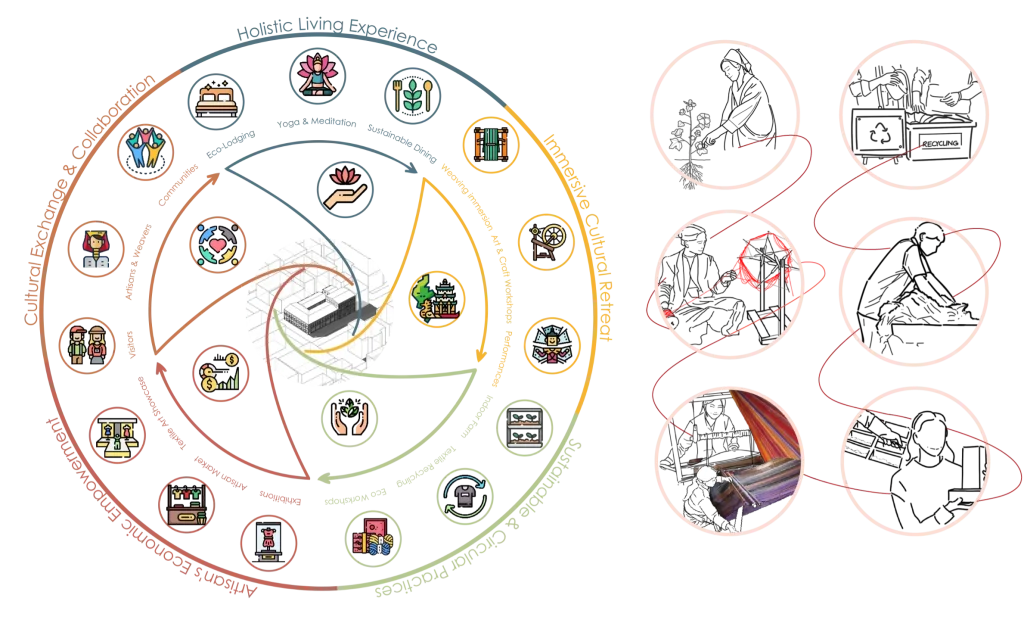
Indoor farming provides plant-based fibres and natural dye materials, reinforcing a shift away from synthetic, chemical-based processes. Dyeing studios rely on environmentally safe methods using locally grown ingredients. These spaces allow visitors to understand the ecological footprint of textiles, the value of slow craftsmanship, and the importance of sustainable alternatives in an industry often driven by disposability.
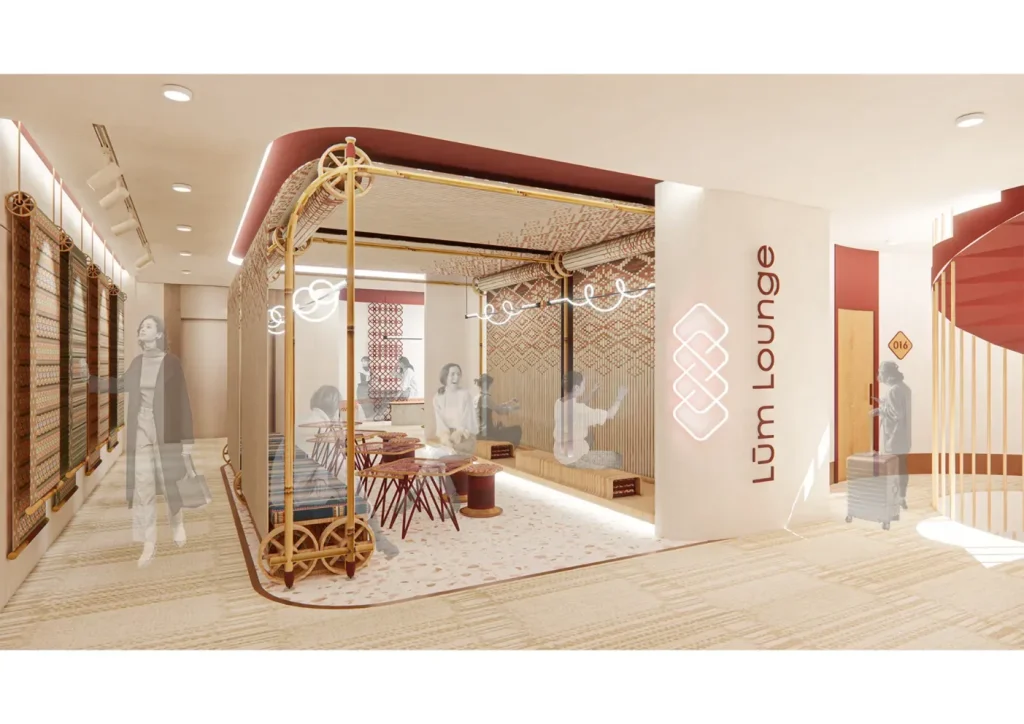
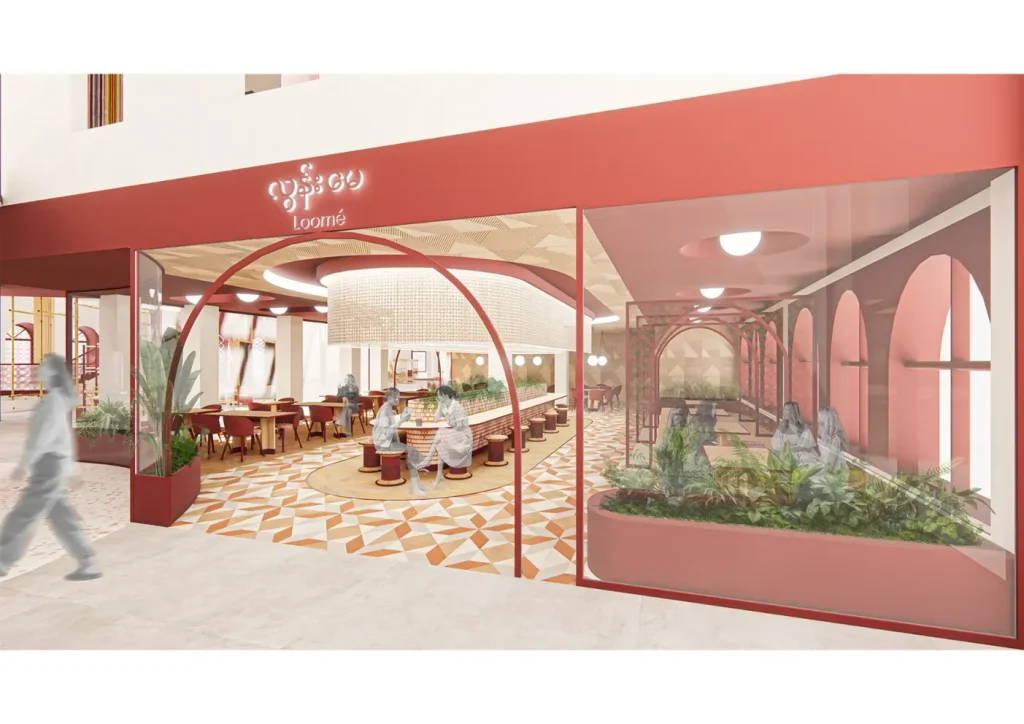
Community interaction is essential to LOOM’s identity. Communal dining spaces, shared lounges, cultural performance areas, and artisan markets encourage informal encounters between guests, locals, and weavers. These spaces foster mutual learning, deepen cultural understanding, and strengthen social resilience within the neighbourhood. The retreat is designed not as an isolated resort but as an active contributor to the urban fabric open, inclusive, and rooted in the rhythms of the city.
By situating the project in the heart of downtown Yangon, LOOM extends its impact beyond tourism. It provides a venue for workshops, events, and local gatherings, supporting public engagement with cultural practices. In doing so, it positions weaving as a shared cultural asset that unites communities.
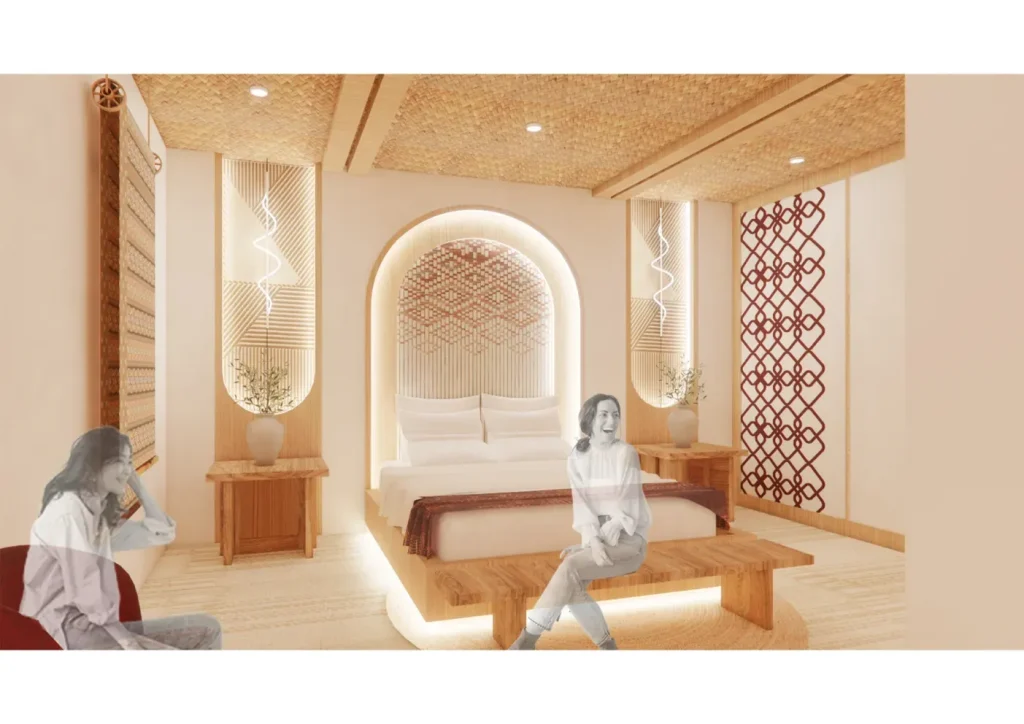
The meditative nature of weaving informs LOOM’s wellness approach. The retreat integrates calming, sensory environments that encourage reflection and reconnection. Meditation pavilions, natural-material guest rooms, and quiet garden pockets evoke the slow, deliberate rhythm of weaving. Sunlight filters through woven screens, textures soften acoustics, and natural fibres enrich the tactile experience of each space. These elements together create a retreat that nurtures both cultural immersion and personal rejuvenation.
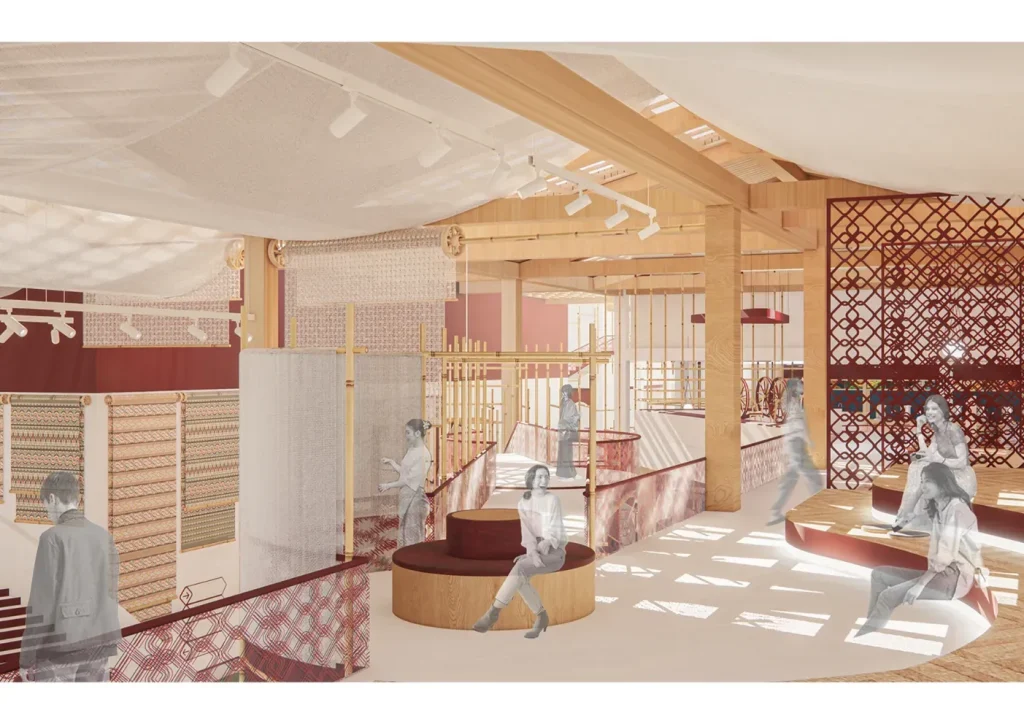
LOOM’s spatial organisation draws from the structural logic of textile-making:
Layered platforms echo stacked woven fibres.
Thread walk staircases guide vertical movement in a looping, continuous manner.
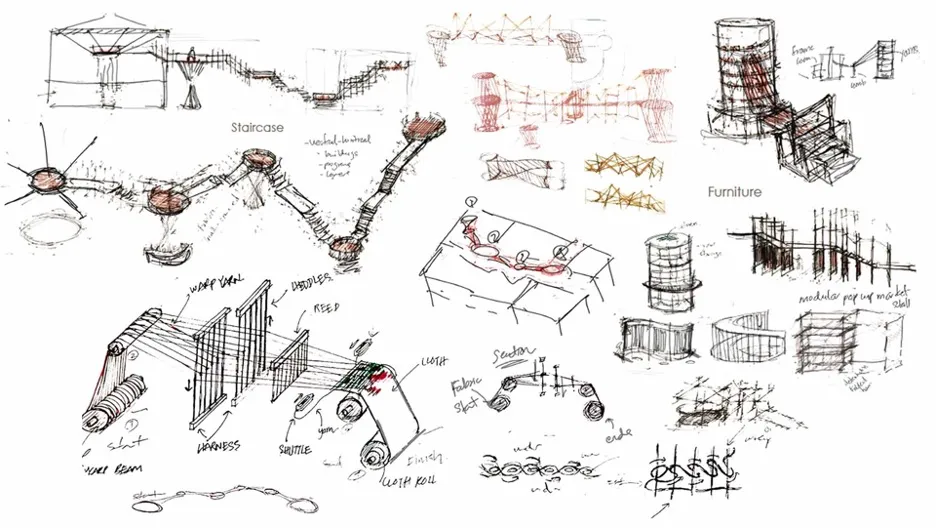
Interwoven pathways create moments of crossing and convergence.
Textile-inspired facade patterns reinterpret traditional motifs.
Adaptive reuse preserves the historical backbone while introducing new “threads” of contemporary craft.
The retreat becomes a physical expression of how cultural traditions can be carried forward, renewed, connected, and strengthened over time.
LOOM envisions a future where cultural heritage is not only preserved but actively lived, shared, and transformed. Through the intersection of craft, sustainability, adaptive reuse, and community engagement, the retreat demonstrates how design can strengthen the bonds between people and their traditions. By weaving together artisans, visitors, nature, and history, LOOM creates a meaningful continuum that honours the past while shaping a resilient cultural legacy for future generations.
Showcase your design to an international audience
SUBMIT NOW
Image: Agrapolis Urban Permaculture Farm by David Johanes Palar
Top
LOOM is an immersive cultural retreat in Yangon, Myanmar, designed to preserve and revitalise the country’s weaving heritage through meaningful engagement, sustainable systems, and community-centred design. By transforming a historic site on Pansodan Street into a space where artisans, visitors, and culture intersect, LOOM positions weaving not only as an artistic tradition but also as a dynamic framework that continues to evolve. The project reinterprets the act of weaving, threads crossing, connecting, and supporting one another as an architectural and social concept that shapes every space within the retreat. Myanmar’s textile traditions carry centuries of cultural memory. From Inle Lake’s lotus weaving to Mandalay’s acheik silk, these practices reflect identity, spirituality, and craftsmanship passed down through generations. However, rapid industrialisation, limited exposure for rural artisans, and the rise of synthetic textile production have placed immense pressure on these traditions. LOOM responds by creating an environment where heritage can be experienced, learned, practised, and sustained in contemporary ways. The project begins with the decision to reuse the existing colonial-era blocks on the site adaptively. This approach preserves the layered history of the neighbourhood while reducing the environmental impact associated with demolition and new construction. The buildings' interconnected forms become a canvas for new interventions, including thread-like walkways, layered platforms, and intersecting volumes, which reinterpret weaving structures in spatial composition. Circulation paths mimic the movement of yarn passing through a loom, creating a rhythmic, continuous, and intentionally crafted journey. LOOM’s program is organised around four interdependent pillars: Heritage, Sustainability, Community, and Well-being. These pillars interlace to form a holistic experience where culture is not observed from a distance but lived through participation and exchange. The weaving studios at the heart of the retreat serve as active spaces where visitors learn traditional techniques directly from local artisans. Guests encounter the full spectrum of textile practices, spinning, dyeing, weaving, drying, and finishing, turning the retreat into a living workshop rather than a static display. Exhibition galleries present both historical textiles and contemporary interpretations, honouring the past while celebrating the innovation emerging from Myanmar’s weaving communities. By offering visibility, income opportunities, and a dedicated platform, the project uplifts artisans who have long lacked pathways to broader recognition. Sustainability is embedded in every layer of LOOM’s design and programming. The retreat operates using a closed-loop textile cycle that transforms waste into new materials. Textile scraps are collected, sorted, shredded, and reformulated into durable acoustic panels used throughout the retreat. This system reduces environmental impact while demonstrating how waste can be converted into a valuable resource. Community interaction is essential to LOOM’s identity. Communal dining spaces, shared lounges, cultural performance areas, and artisan markets encourage informal encounters between guests, locals, and weavers. These spaces foster mutual learning, deepen cultural understanding, and strengthen social resilience within the neighbourhood. The retreat is designed not as an isolated resort but as an active contributor to the urban fabric open, inclusive, and rooted in the rhythms of the city. By situating the project in the heart of downtown Yangon, LOOM extends its impact beyond tourism. It provides a venue for workshops, events, and local gatherings, supporting public engagement with cultural practices. In doing so, it positions weaving as a shared cultural asset that unites communities. The meditative nature of weaving informs LOOM’s wellness approach. The retreat integrates calming, sensory environments that encourage reflection and reconnection. Meditation pavilions, natural-material guest rooms, and quiet garden pockets evoke the slow, deliberate rhythm of weaving. Sunlight filters through woven screens, textures soften acoustics, and natural fibres enrich the tactile experience of each space. These elements together create a retreat that nurtures both cultural immersion and personal rejuvenation. LOOM’s spatial organisation draws from the structural logic of textile-making: Layered platforms echo stacked woven fibres. Thread walk staircases guide vertical movement in a looping, continuous manner. Interwoven pathways create moments of crossing and convergence. Textile-inspired facade patterns reinterpret traditional motifs. Adaptive reuse preserves the historical backbone while introducing new “threads” of contemporary craft. The retreat becomes a physical expression of how cultural traditions can be carried forward, renewed, connected, and strengthened over time. LOOM envisions a future where cultural heritage is not only preserved but actively lived, shared, and transformed. Through the intersection of craft, sustainability, adaptive reuse, and community engagement, the retreat demonstrates how design can strengthen the bonds between people and their traditions. By weaving together artisans, visitors, nature, and history, LOOM creates a meaningful continuum that honours the past while shaping a resilient cultural legacy for future generations.Design Concept Statement
1. Heritage
2. Sustainability
Indoor farming provides plant-based fibres and natural dye materials, reinforcing a shift away from synthetic, chemical-based processes. Dyeing studios rely on environmentally safe methods using locally grown ingredients. These spaces allow visitors to understand the ecological footprint of textiles, the value of slow craftsmanship, and the importance of sustainable alternatives in an industry often driven by disposability.3. Community
4. Well-being
Spatial Interpretation of the Weaving Process
Conclusion

The AYDA Awards is part of Colouring Lives, Nippon Paint’s Corporate Social Responsibility (CSR) programme, which is dedicated to nurturing the next generation of Architectural and Interior Design talents. Through cross-learning and industry exposure, AYDA provides a platform for students to develop their skills and grow as designers. Discover more of Nippon Paint’s CSR initiatives under Colouring Lives.