BACK TO finale_winnerS
BEST SUSTAINABLE DESIGN: INTERIOR DESIGN CATEGORY
LOST & FOUND
Lost & Found : Design Concept Statement If one were to ask Thai people today what defines Thailand, few would speak of elephants. This absence feels striking, considering that elephants have long stood beside Thai society not only as the national animal, but as companions in labor, ritual, and history. They once shared an intimate […]
Lost & Found : Design Concept Statement
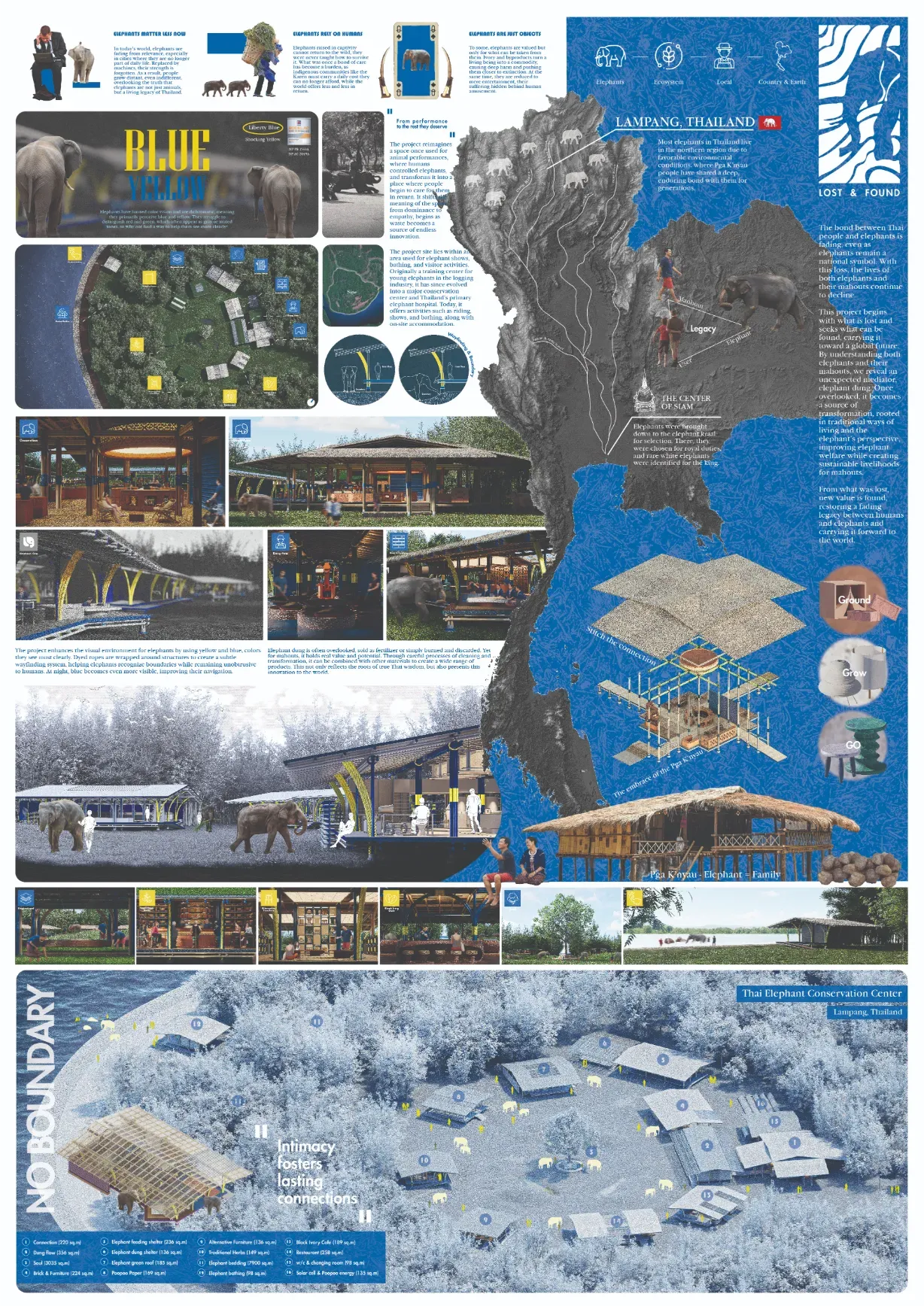
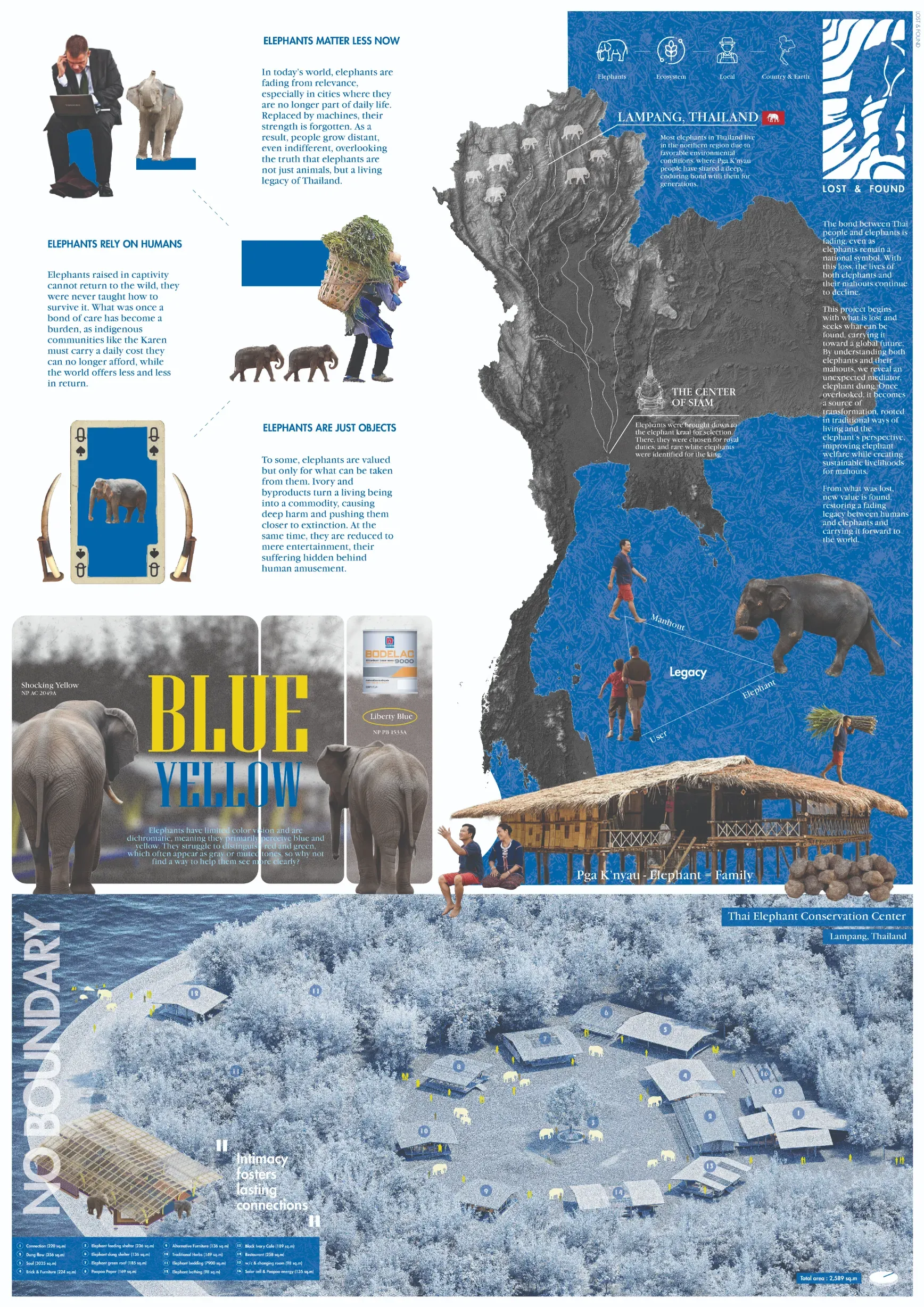
If one were to ask Thai people today what defines Thailand, few would speak of elephants. This absence feels striking, considering that elephants have long stood beside Thai society not only as the national animal, but as companions in labor, ritual, and history. They once shared an intimate bond with humans, working together in mutual reliance, and stood as symbols of dignity alongside Thai kings across generations. Yet over time, this relationship has quietly faded. As machinery replaced labor, elephants were no longer needed in the forests, and their presence in everyday life diminished.
Today, the value of elephants is often misunderstood. Some see worth only in ivory, reducing a living being to a commodity. Many elephants now exist within confined spaces, performing for entertainment rather than living for themselves. This project begins with a simple but urgent question. What if elephants could live as they truly should.
The proposal envisions a space where elephants are no longer performers, but beings with agency and dignity. It seeks to restore their quality of life while reshaping human perception. Activities such as riding and confinement are replaced with experiences rooted in understanding, respect, and coexistence.
At the same time, the project recognizes the role of mahouts, whose lives are deeply intertwined with elephants. Often misunderstood, they face economic pressures that shape difficult choices. Improving the lives of elephants must also include sustaining the lives of the people who care for them. This project proposes a shift away from exploitative practices while ensuring that mahouts can continue to support their families with dignity.
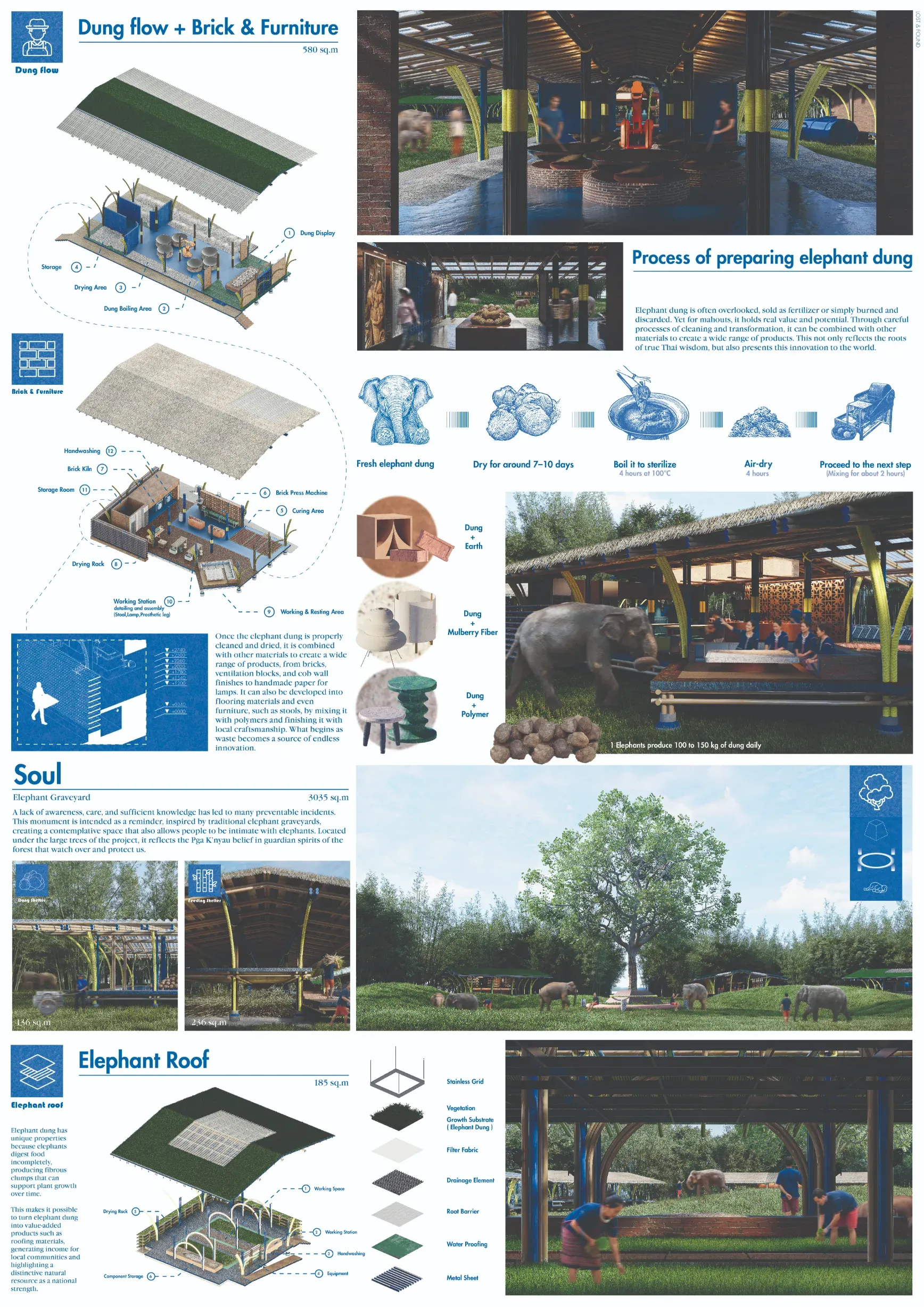
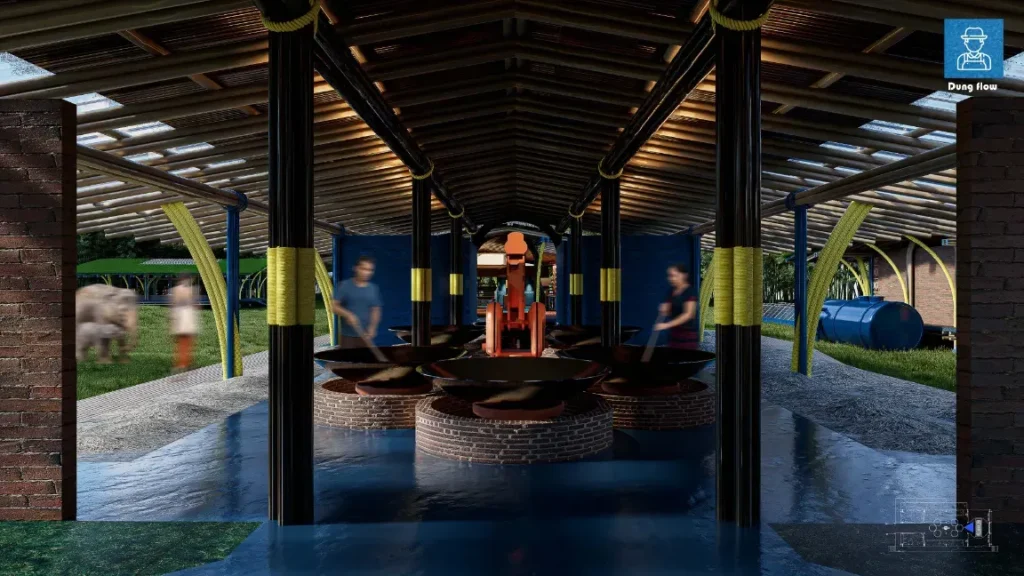
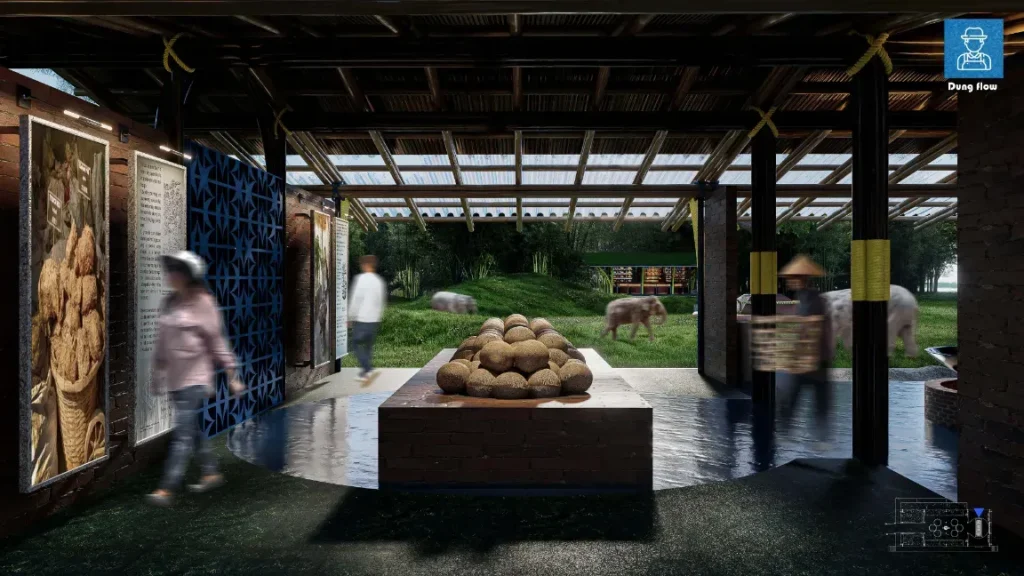
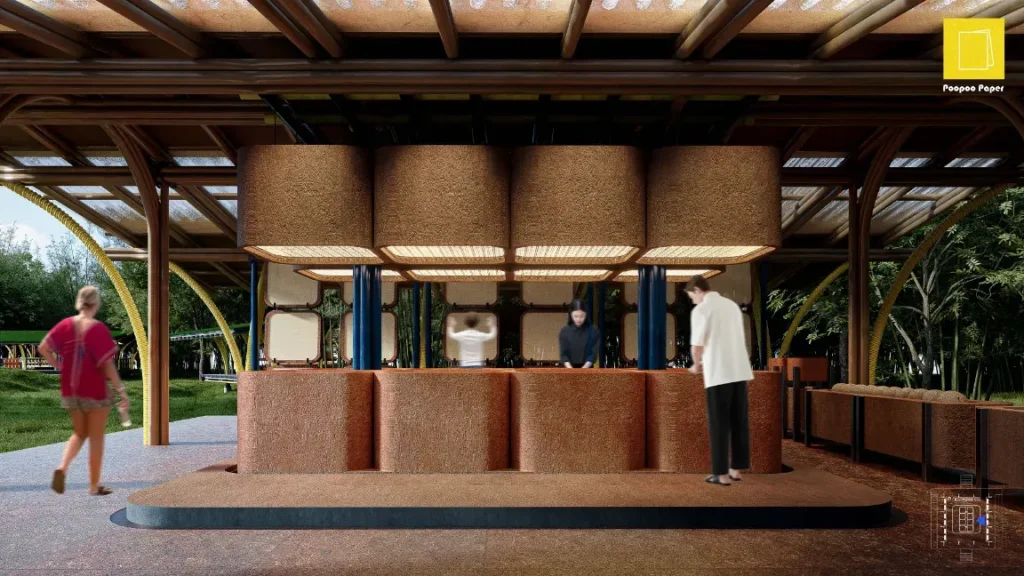
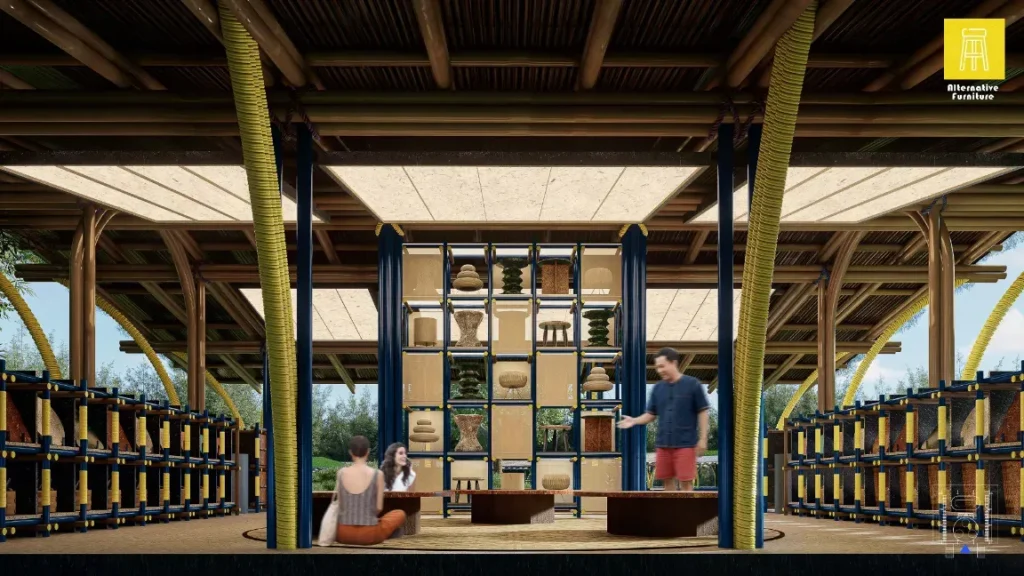
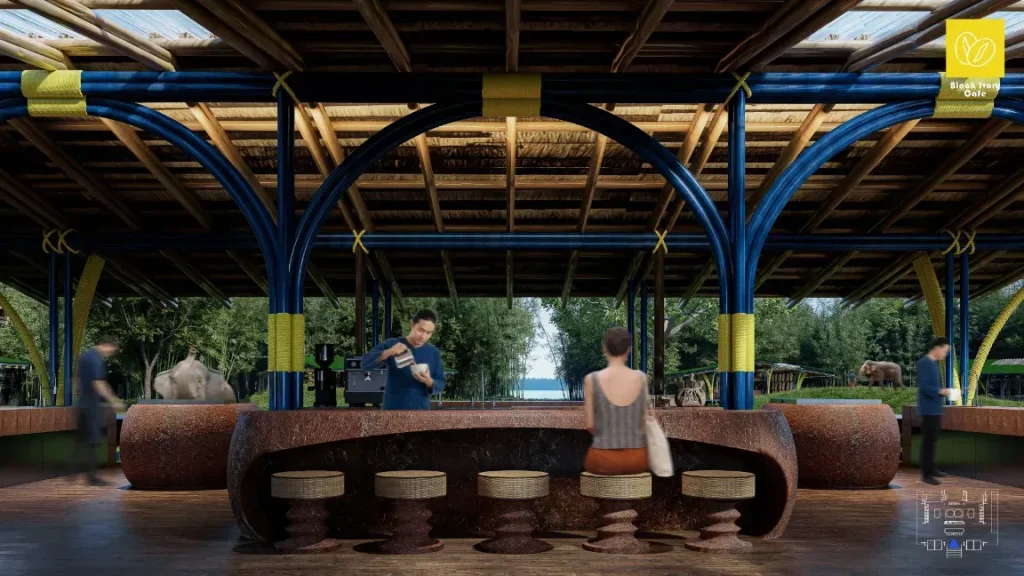
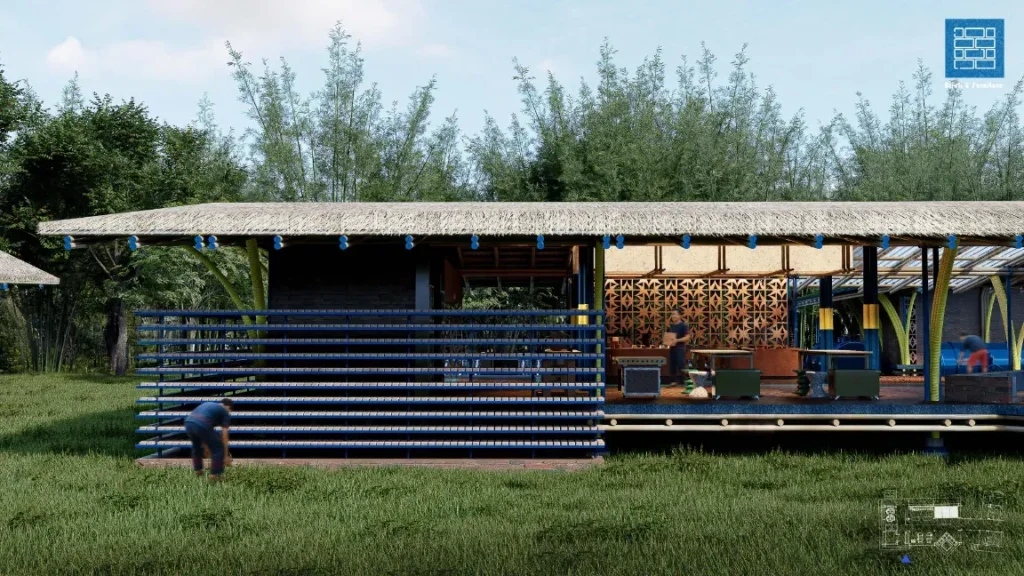
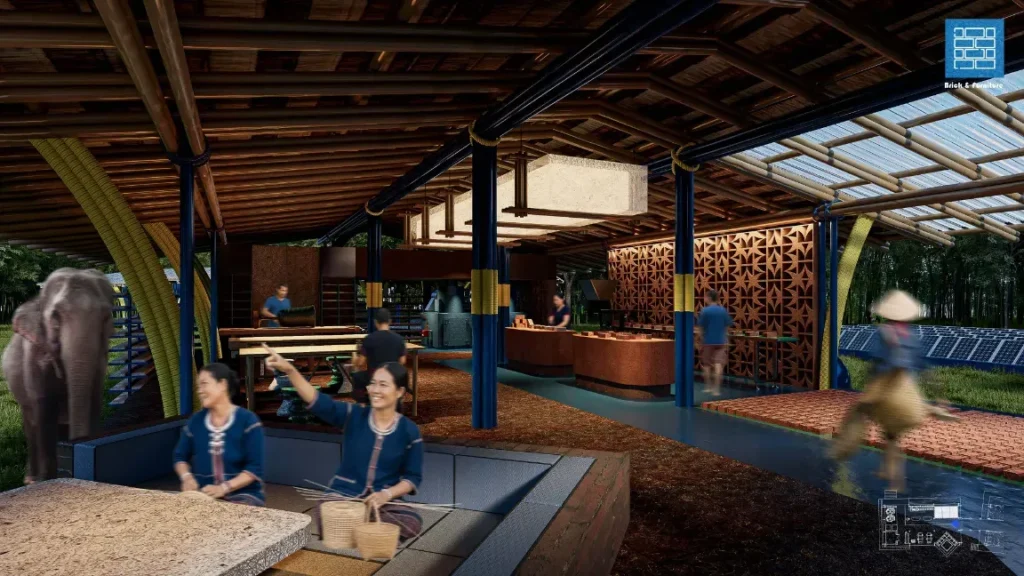
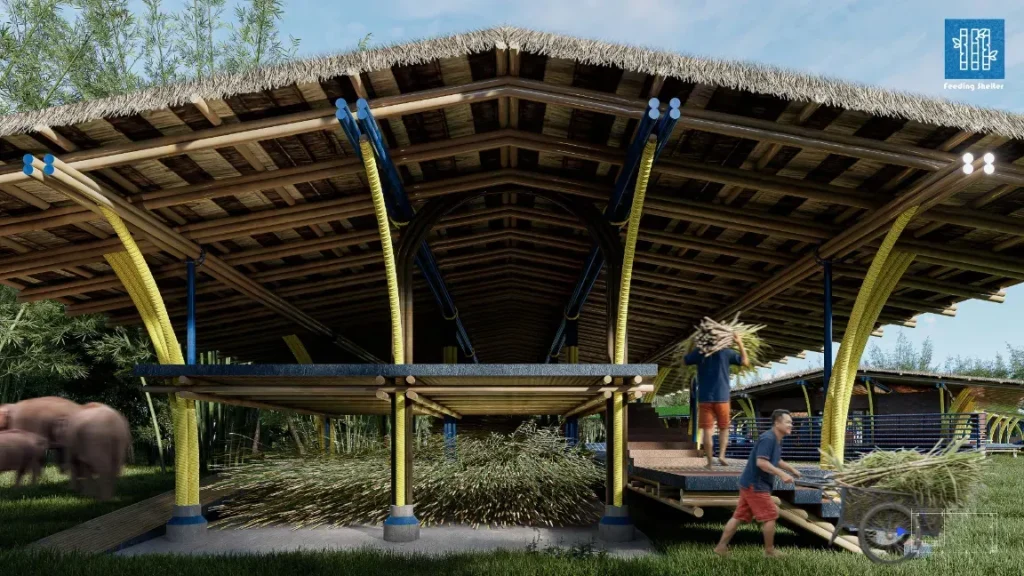
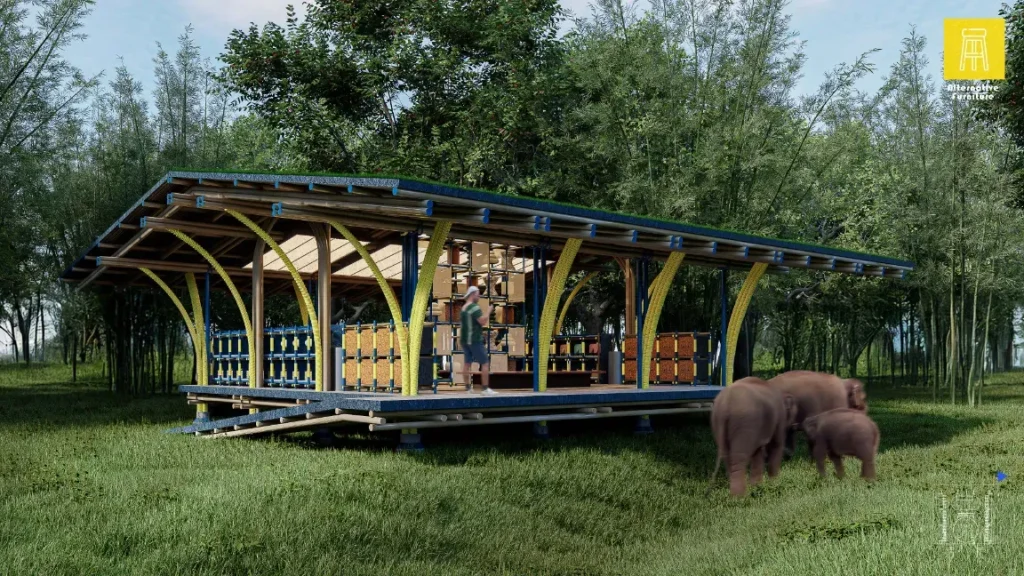
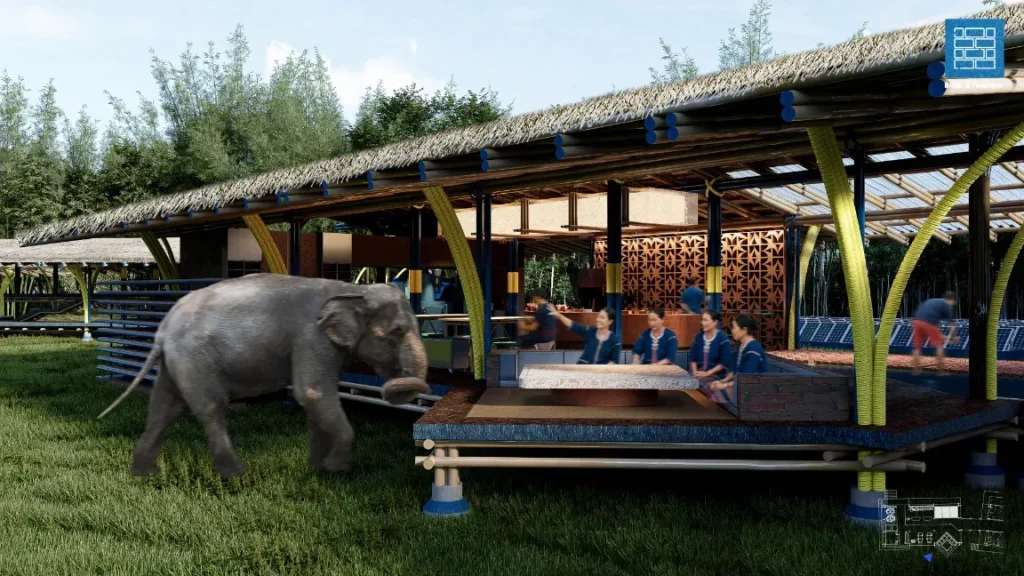
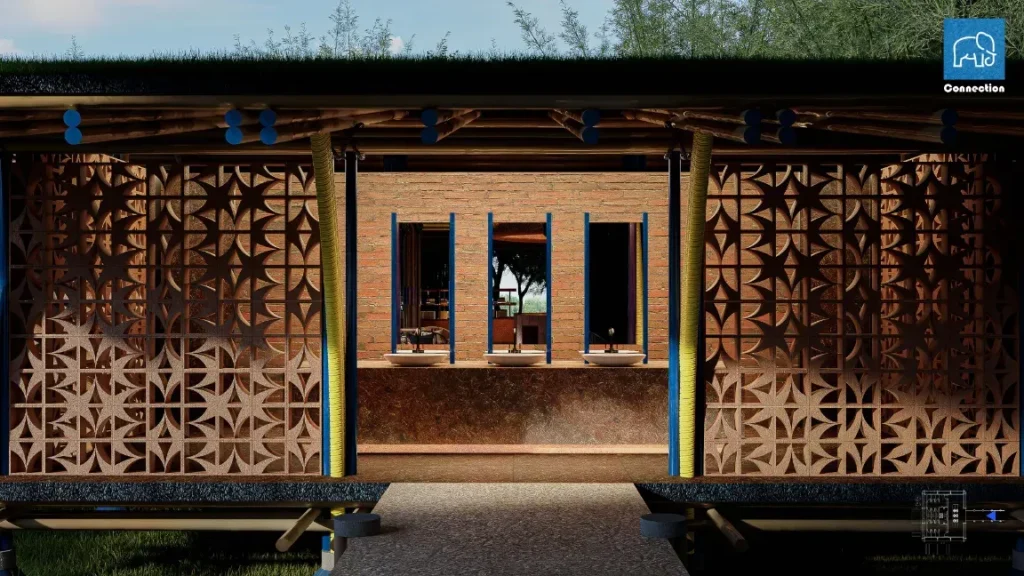
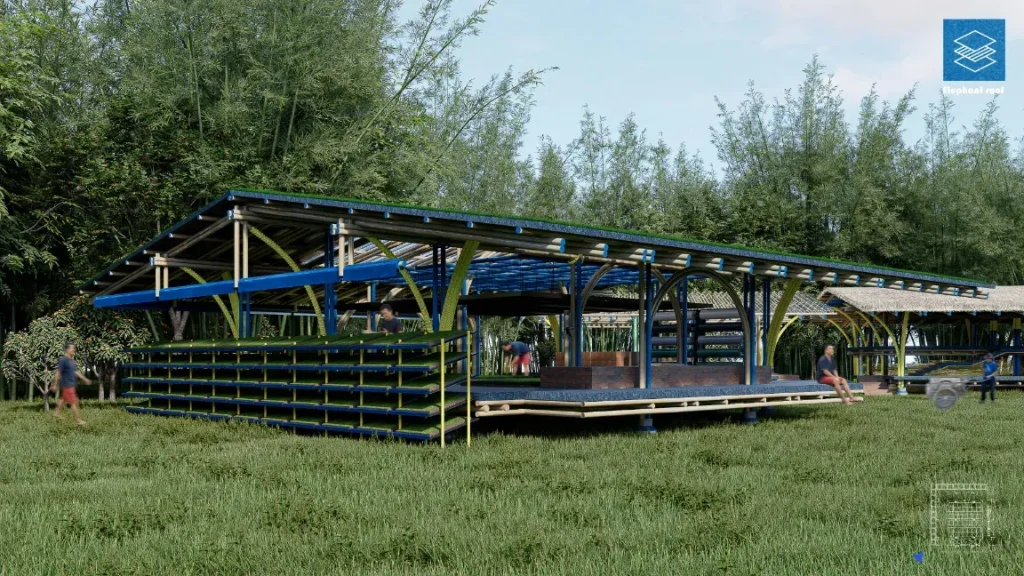
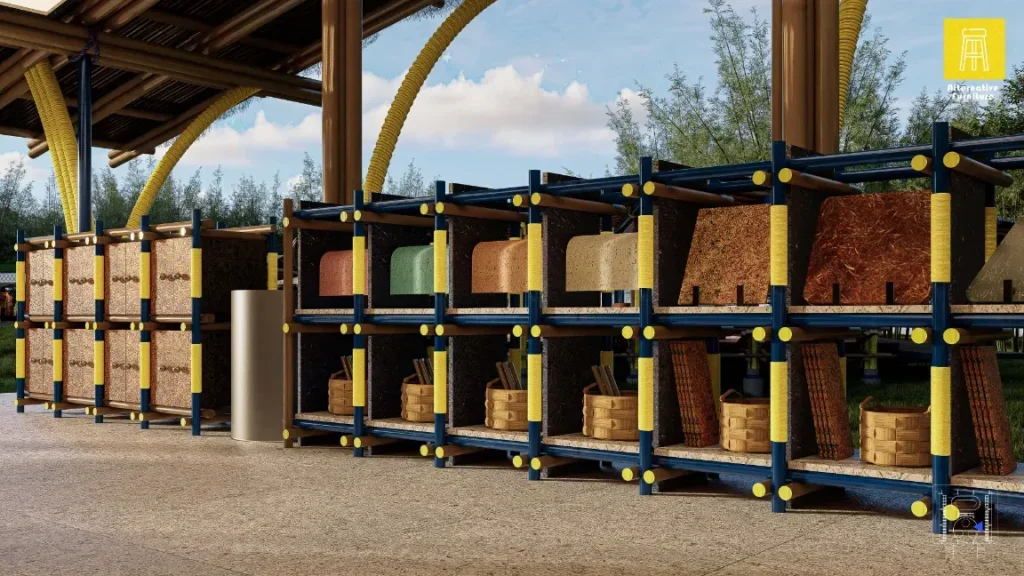
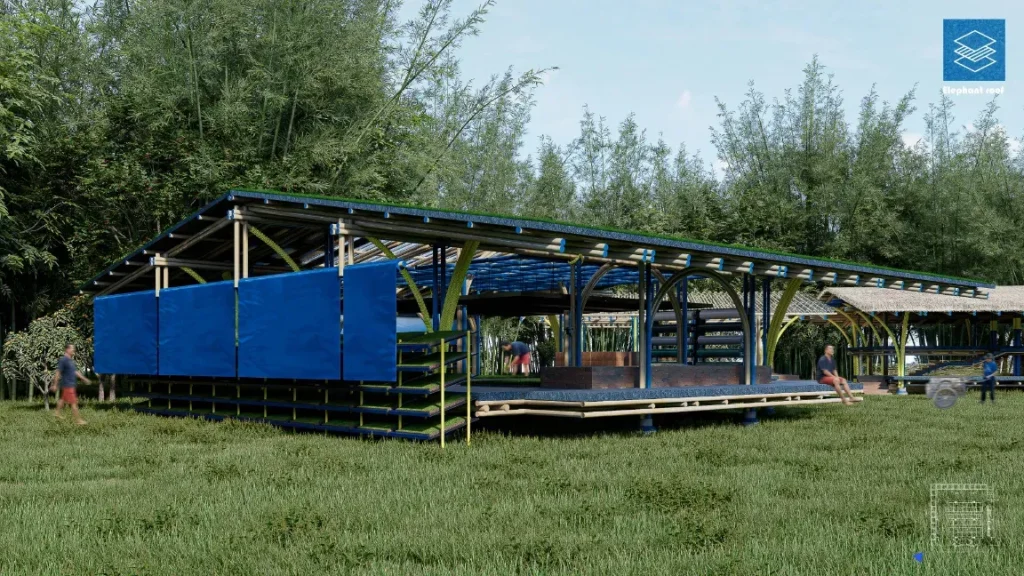
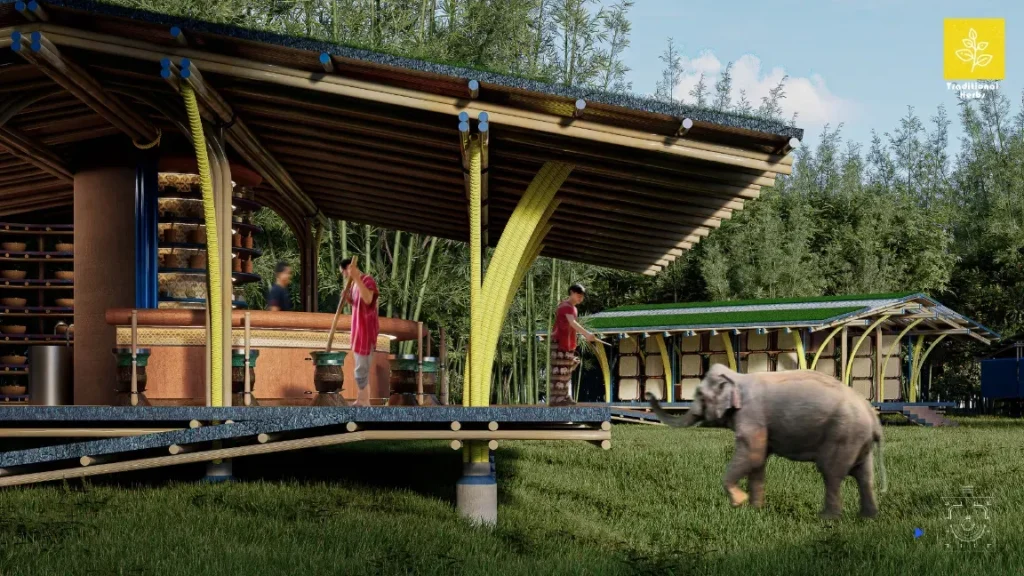
At the heart of this reconnection lies an overlooked material. Elephant dung, often dismissed as waste, carries a quiet legacy within Thai culture. Historically used as fertilizer and fuel, it now reveals new potential as a source of innovation. The project transforms elephant dung into building materials such as bricks, lightweight blocks, plaster, flooring, and furniture, as well as products like paper and modular green roofs. It even extends into prosthetic development, returning life to elephants through materials that come from them. In doing so, it bridges past knowledge with future possibility.
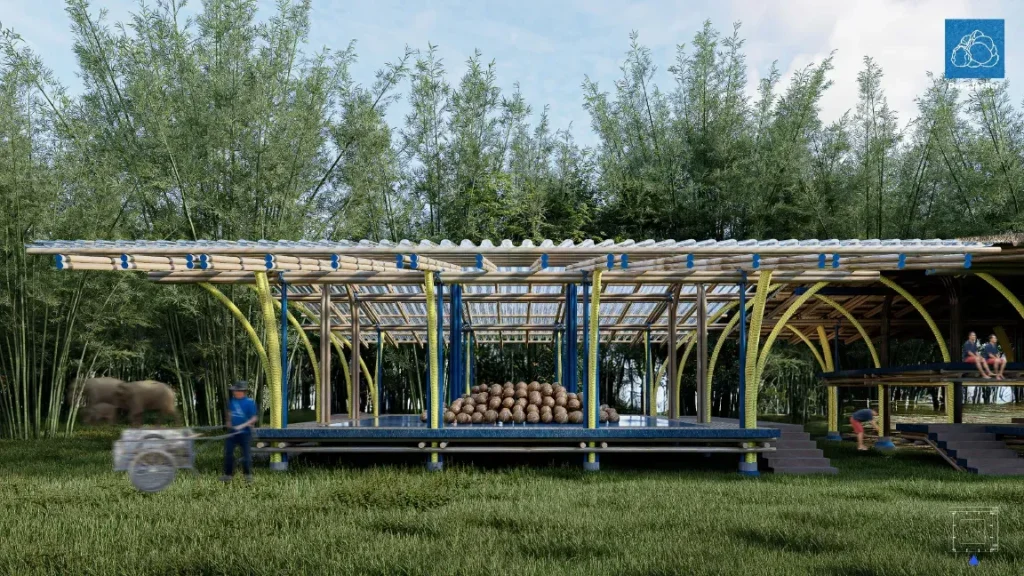
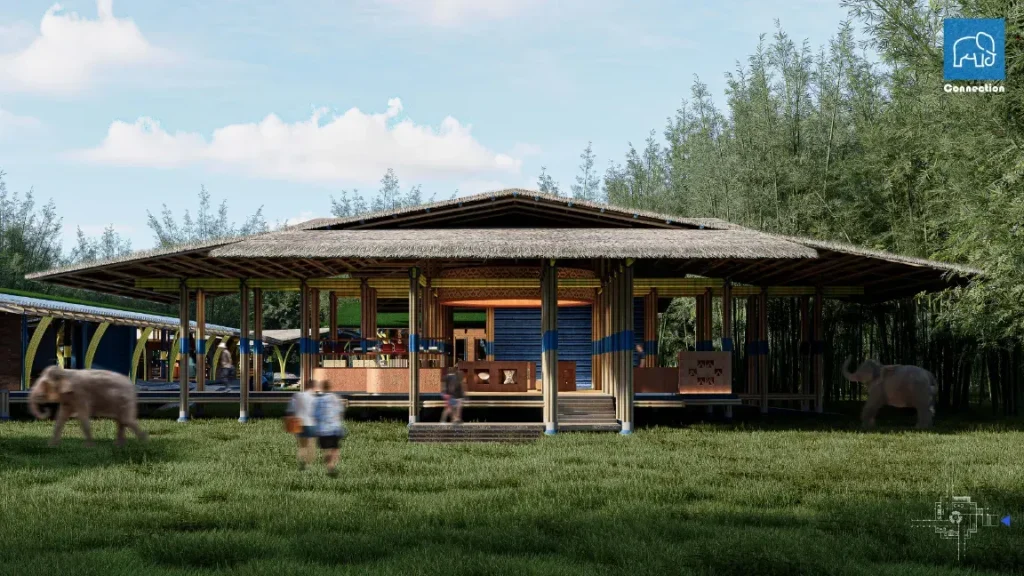
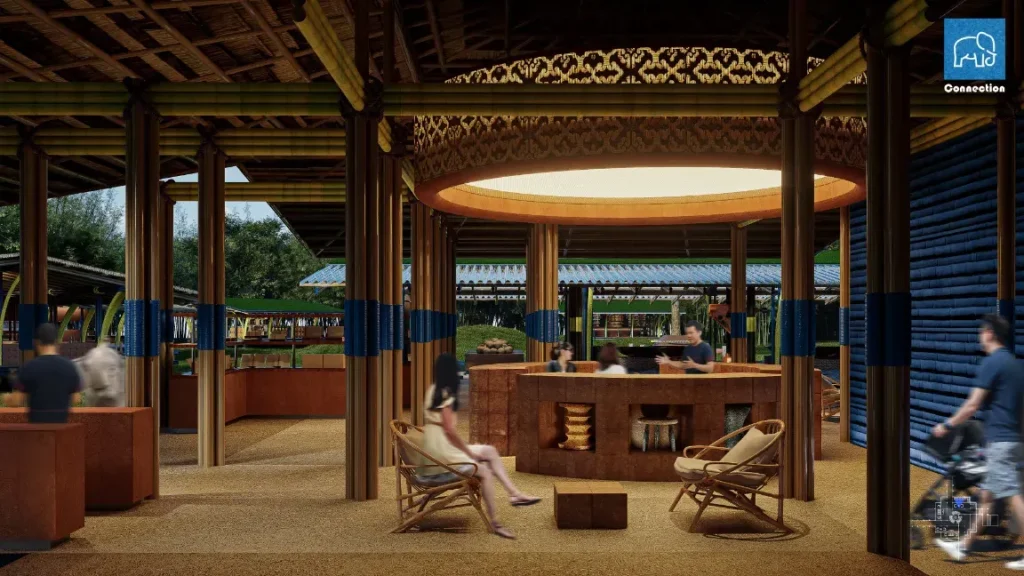
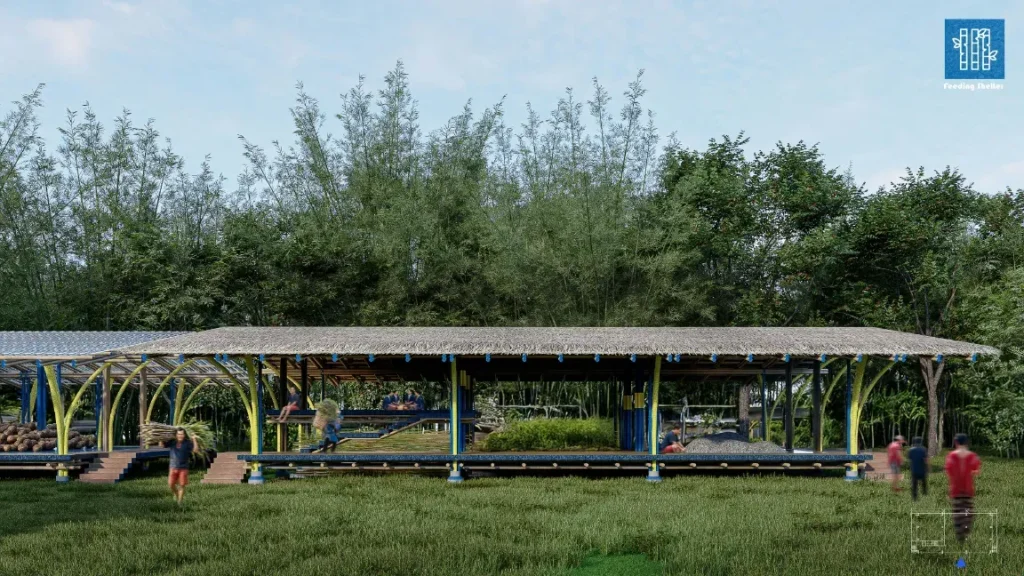
The site is the Thai Elephant Conservation Center in Lampang, once a training ground for logging elephants and now a major care facility. Many mahouts here come from the Pga K’nyau community, whose worldview sees elephants as family. Their beliefs, tied to the forest and expressed through natural materials like bamboo, inform the spatial and cultural framework of the design. The project translates these traditions into a contemporary architectural language that reflects living with elephants rather than controlling them.
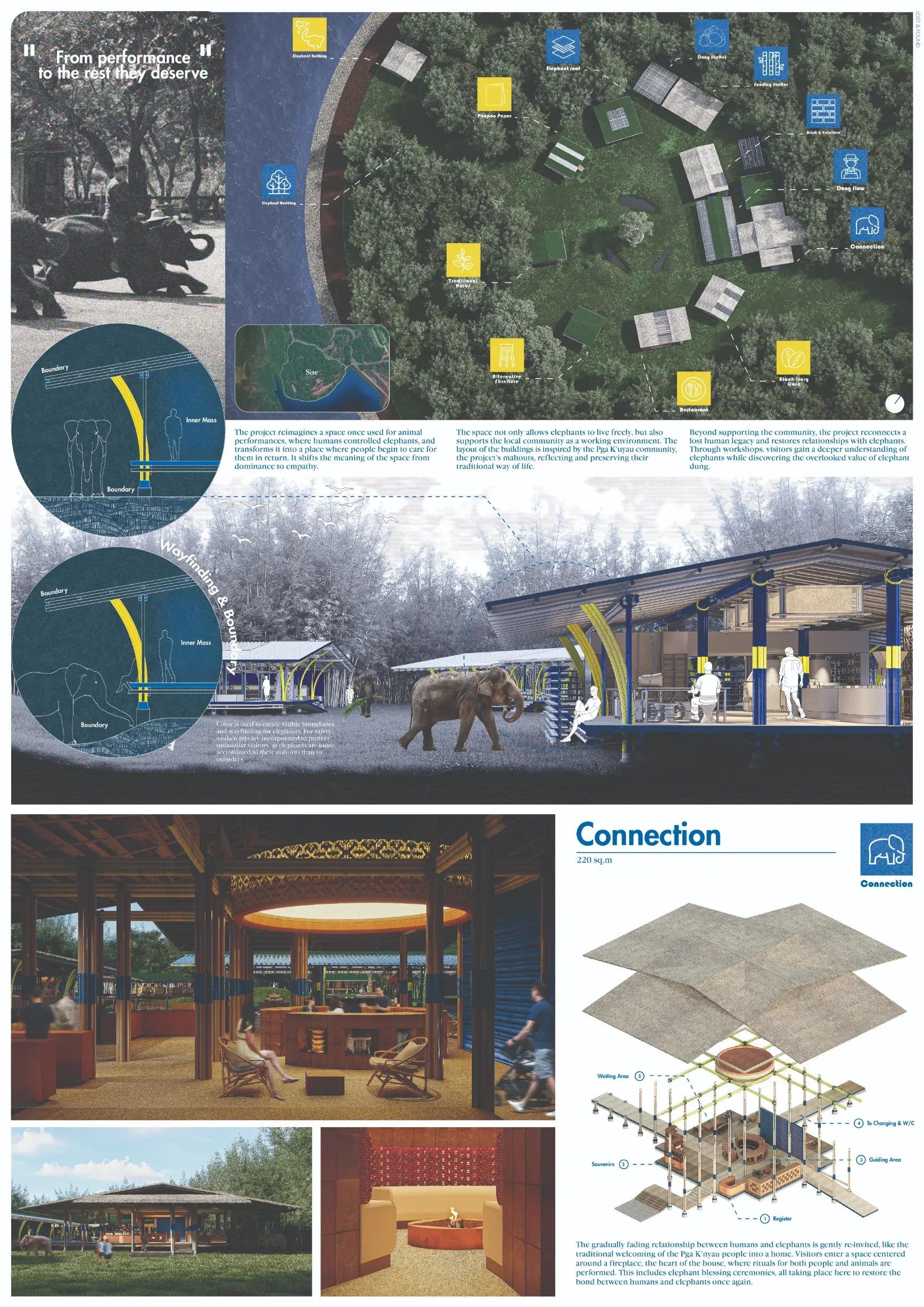
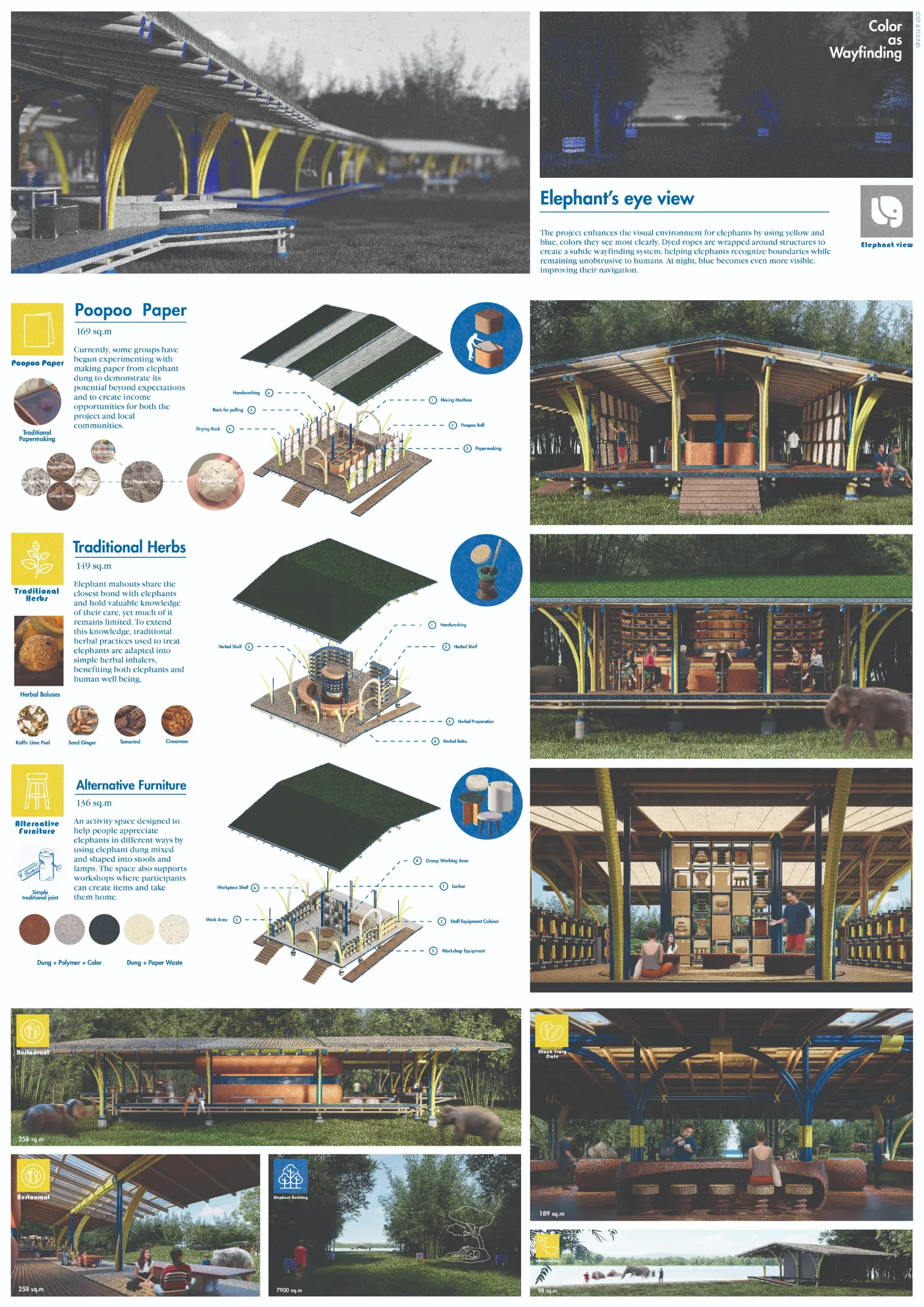
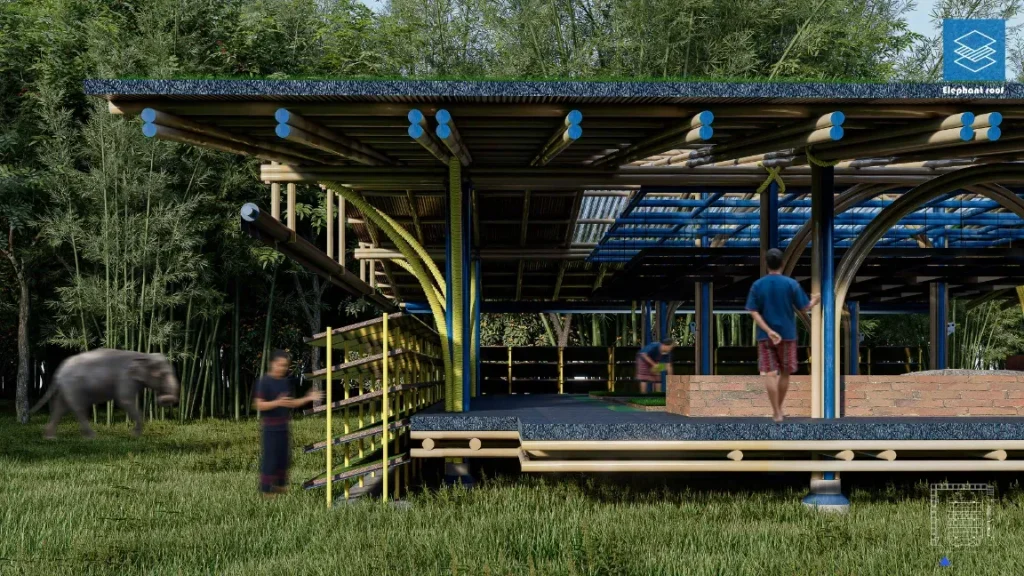
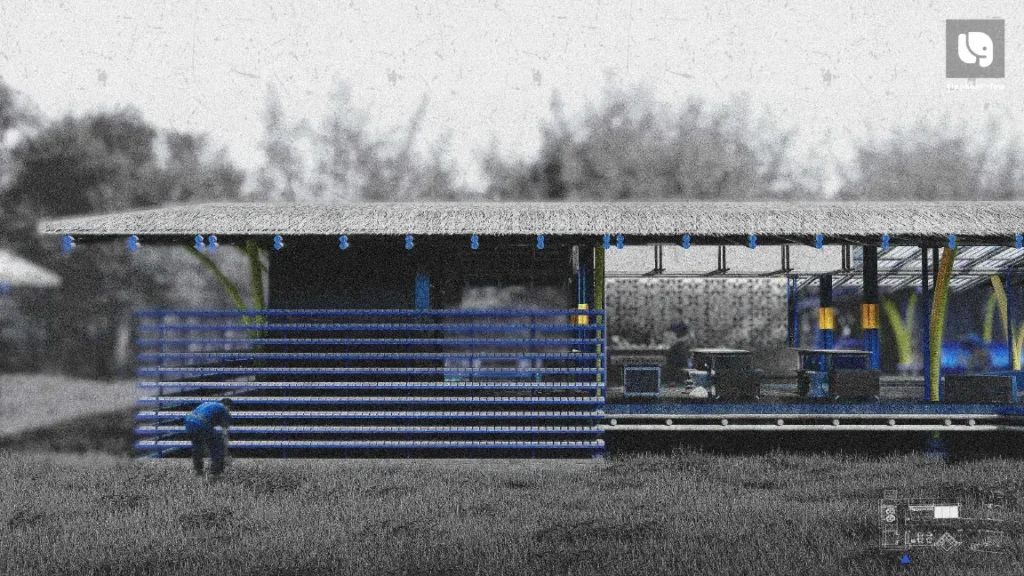
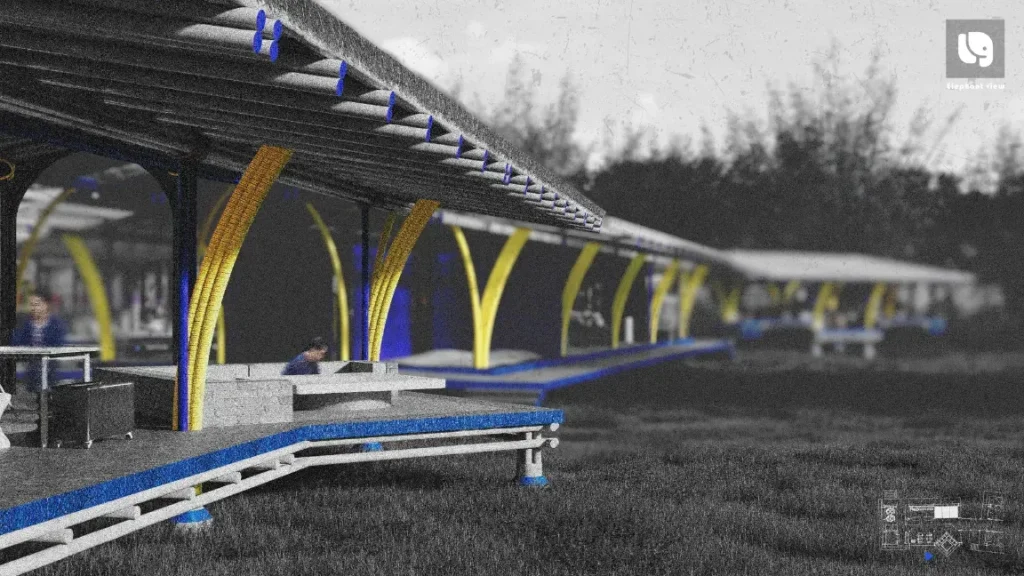
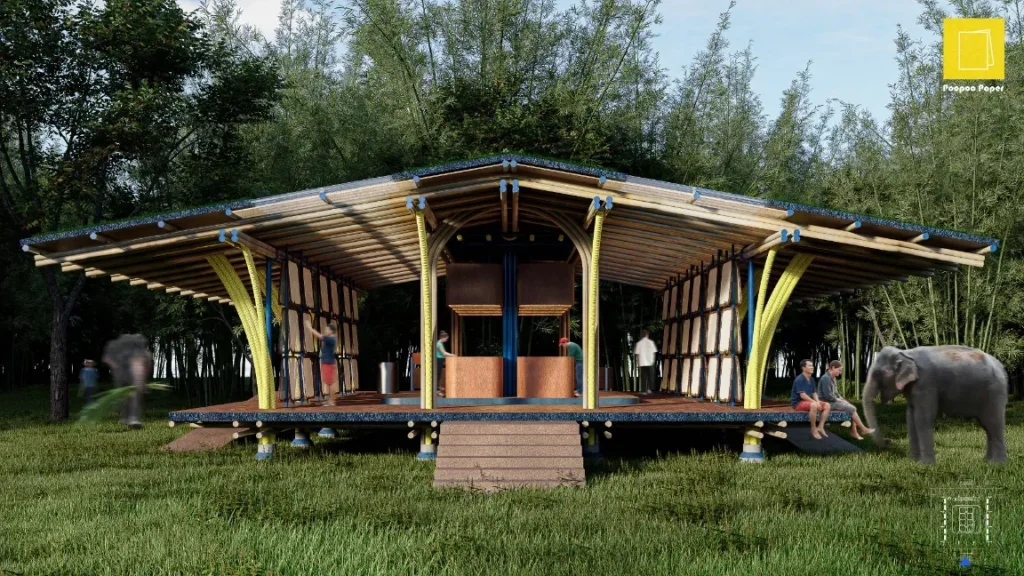
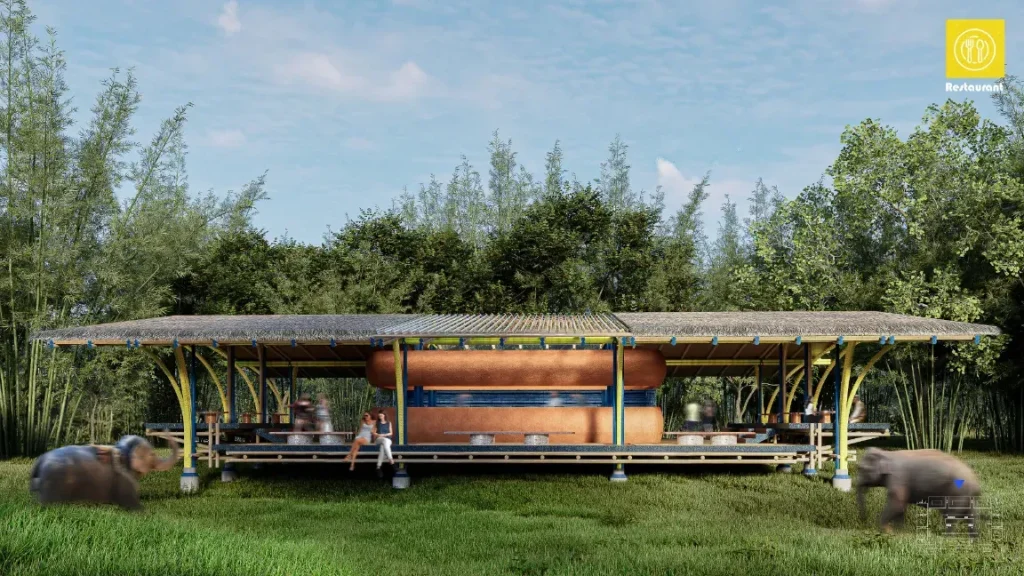
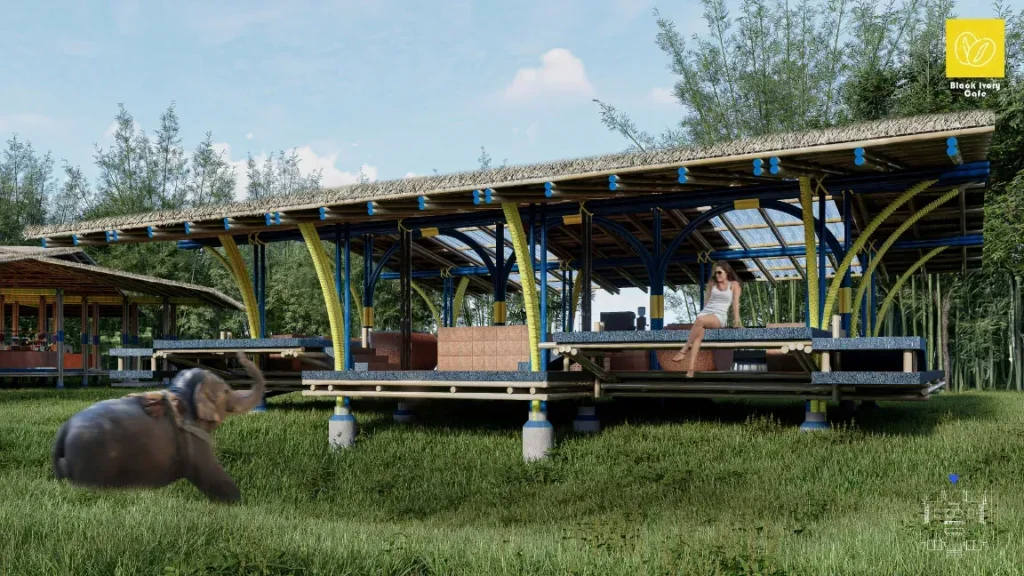
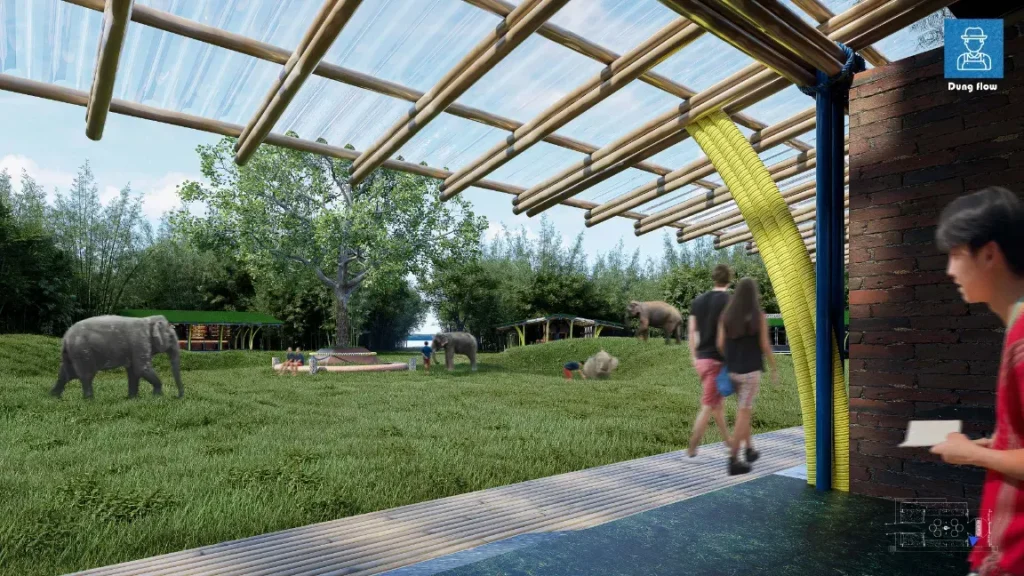
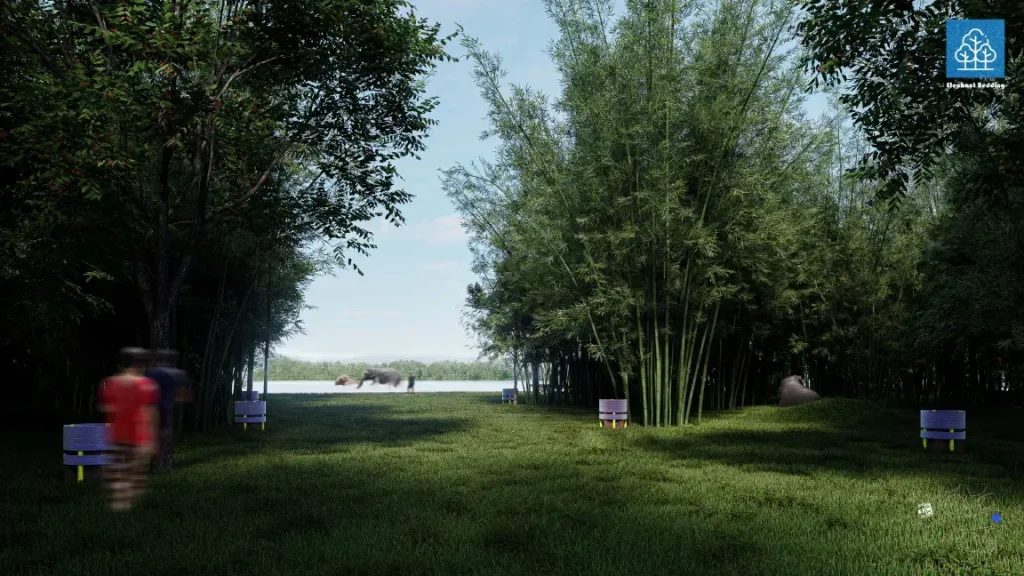
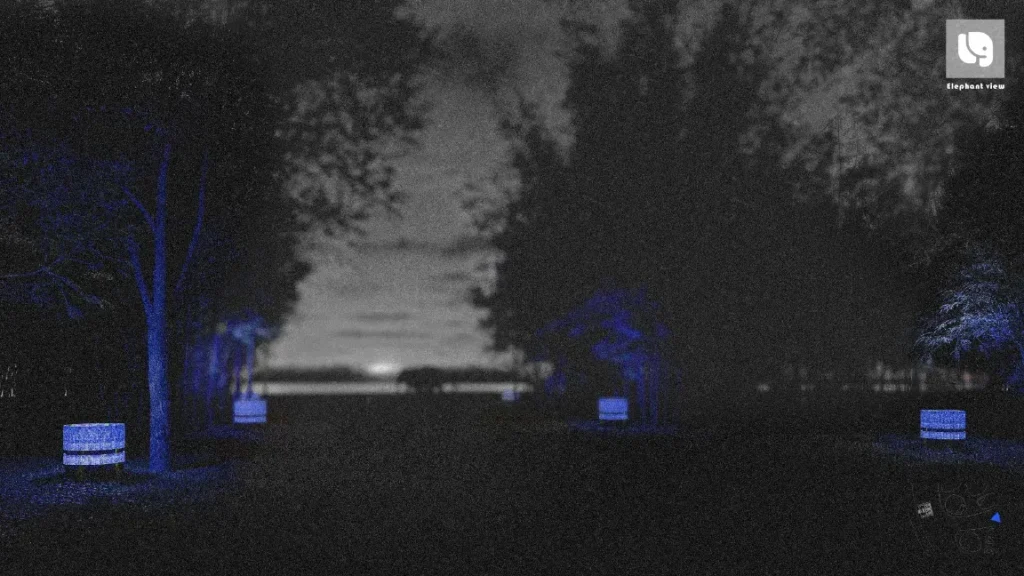
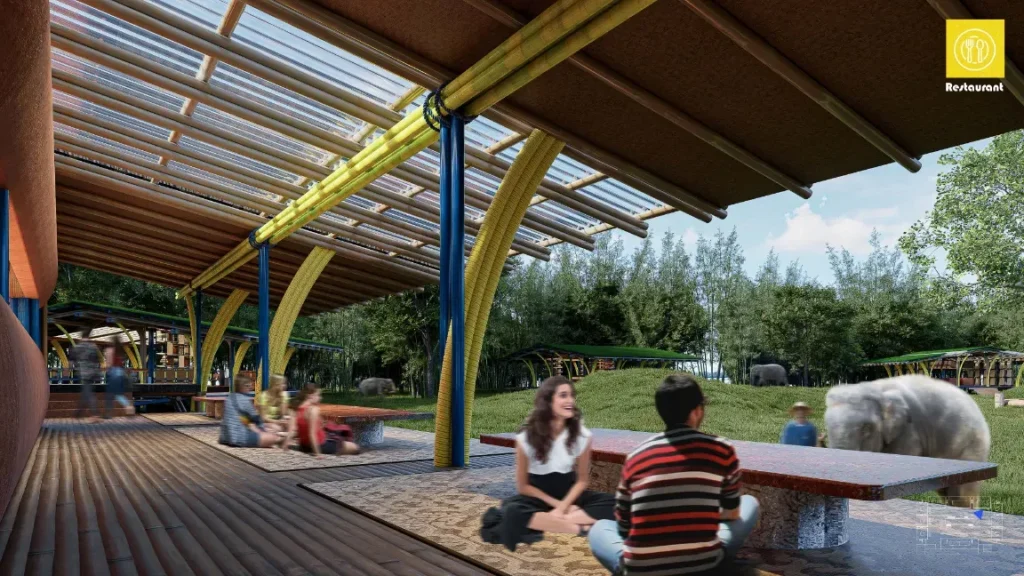
Design decisions are informed by the perception of elephants themselves. With dichromatic vision, elephants primarily distinguish blue and yellow, while other colors appear muted. This understanding shapes wayfinding and spatial clarity, allowing elephants to navigate more comfortably. Boundaries are softened, reducing the need for physical barriers and creating a closer relationship between humans and elephants without compromising safety.
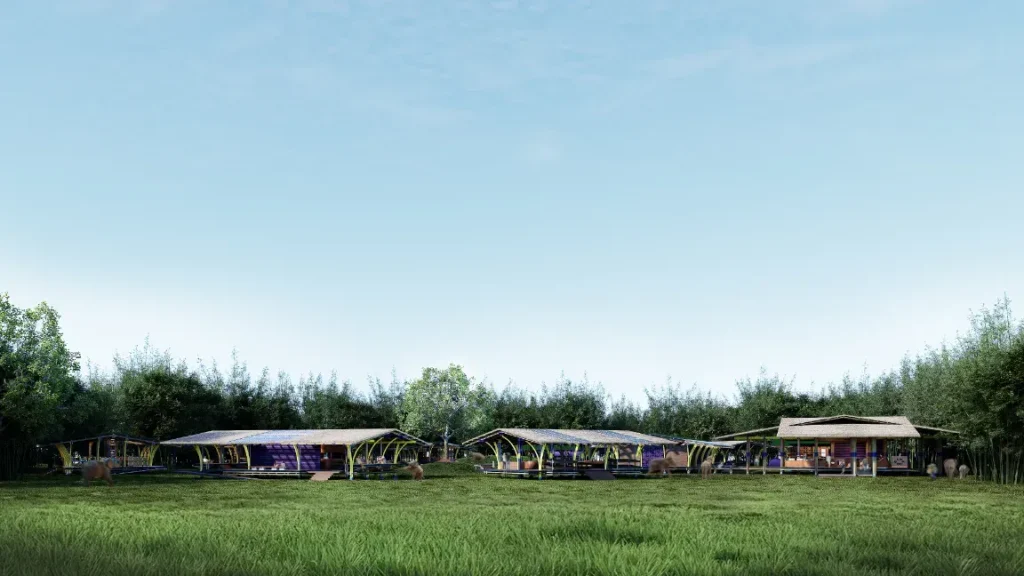
The project reclaims a former performance ground, once a place where elephants were forced to act against their nature, and transforms it into a space where they can live as they should. The land is returned to both elephants and the community, creating a shared environment that supports livelihoods while prioritizing elephant well being. The site is organized into three zones for the community, elephants, and visitors.
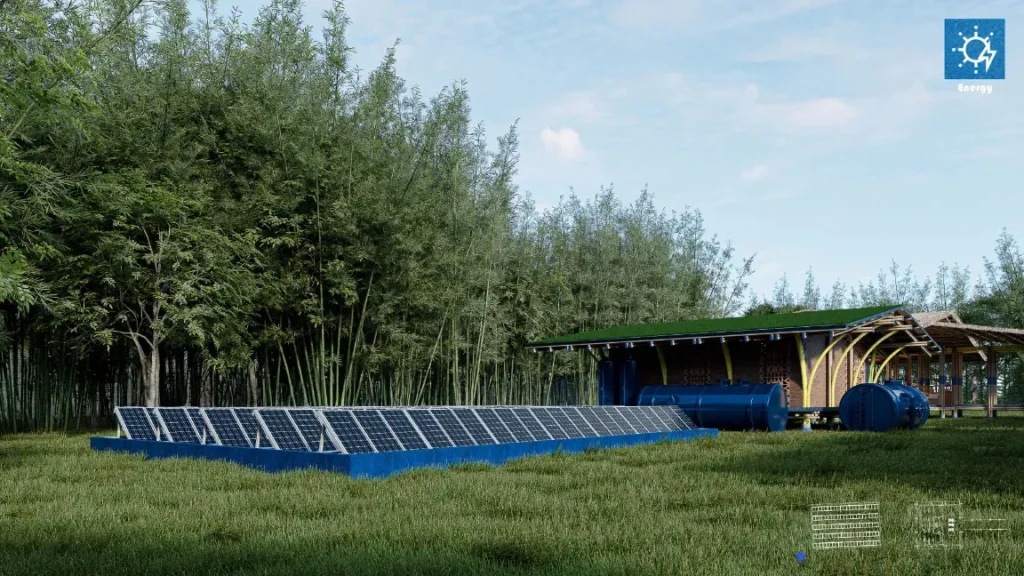
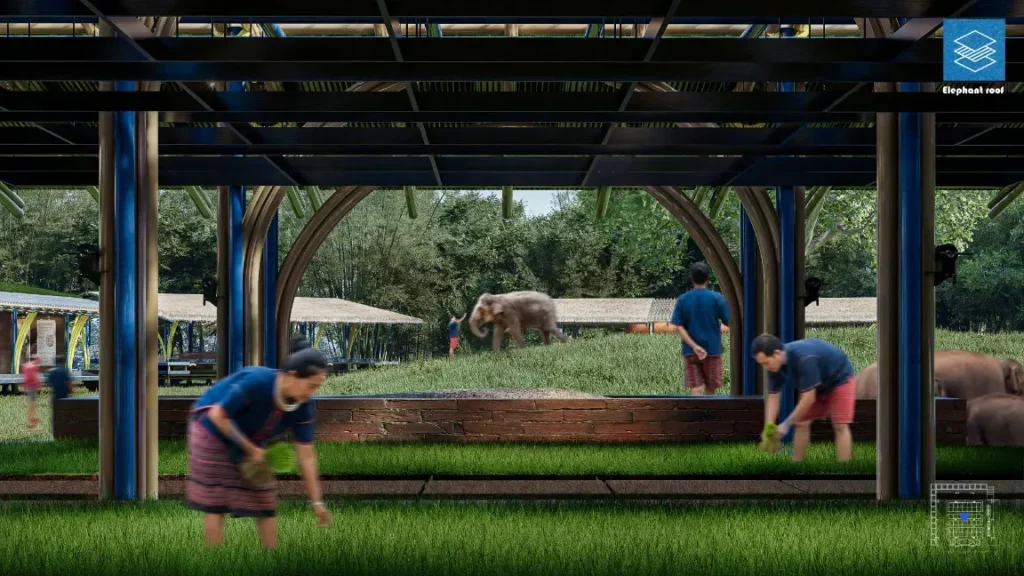
Community spaces are opened to the public, allowing visitors to engage with processes such as transforming elephant dung into bricks, furniture, and prosthetic components. These outputs generate income while redefining waste as value. The project integrates solar energy, biogas, and the Elephant Roof, a sustainable roofing material developed from elephant dung, forming a closed loop system that reconnects people with elephants.
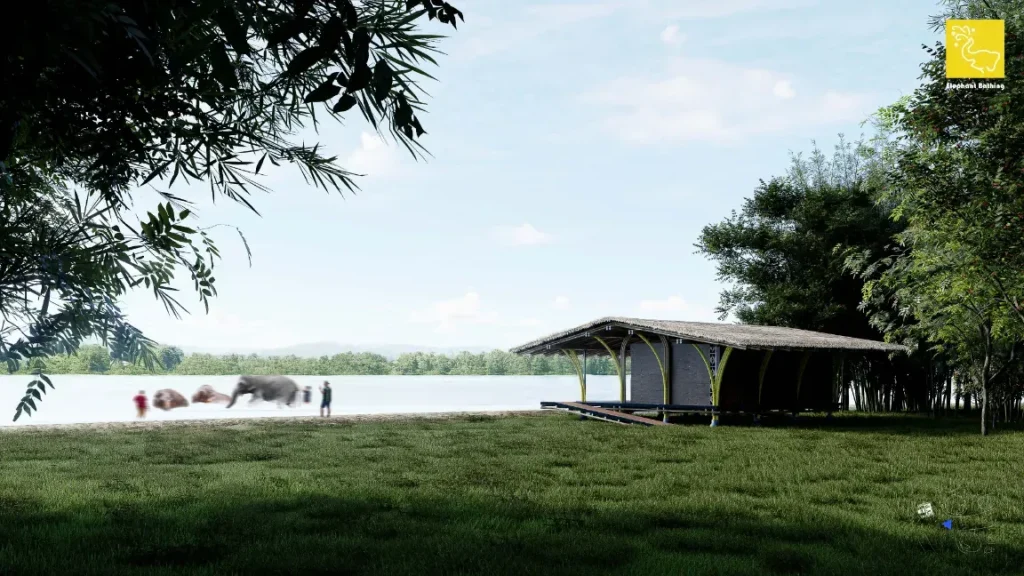
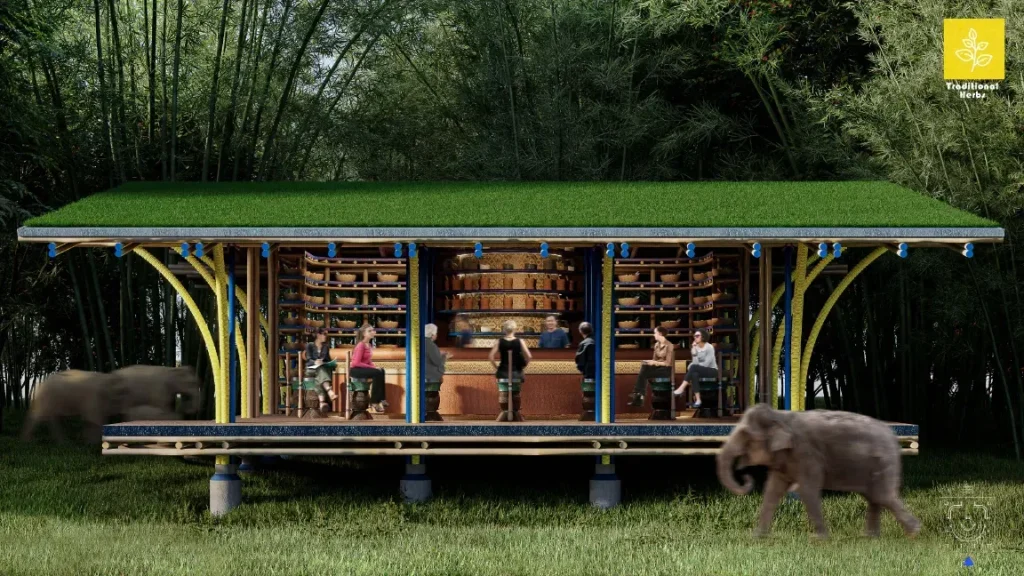
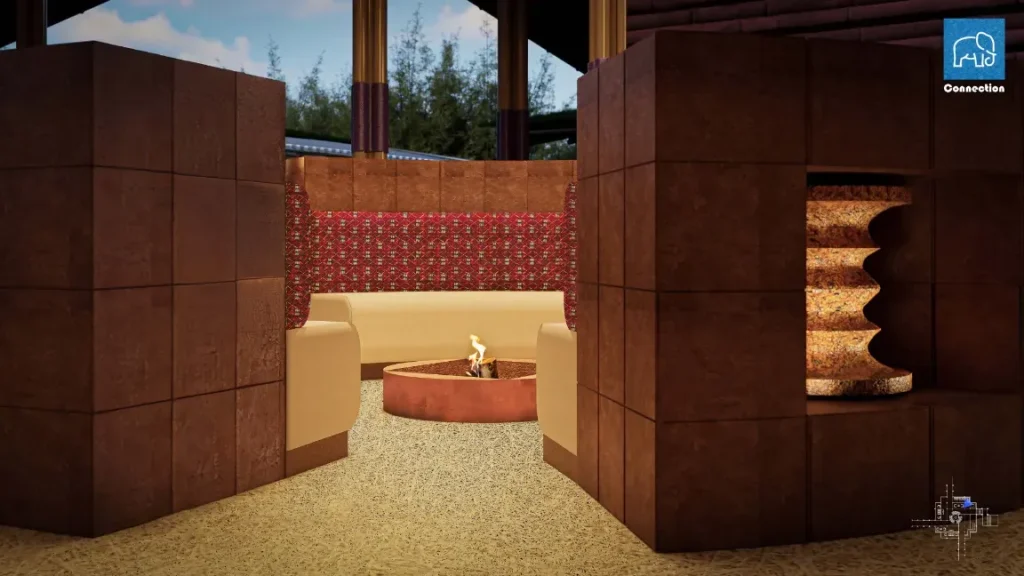
Visitor experiences shift from entertainment to understanding. Guests are welcomed through a Pga K’nyau inspired hearth gathering, followed by workshops in dung paper, furniture making, and herbal knowledge from mahouts. Bathing elephants becomes an act of care rather than spectacle.
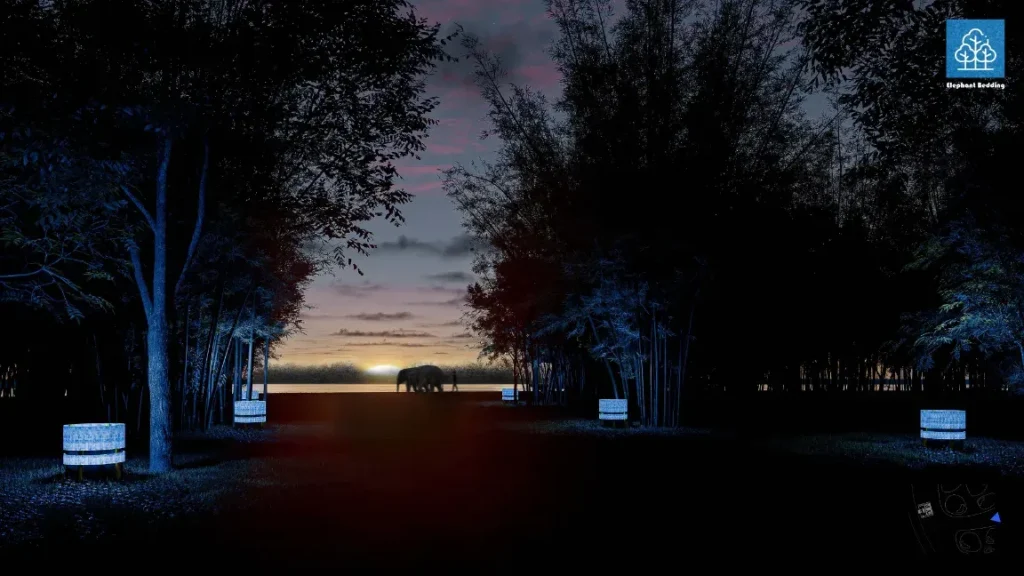
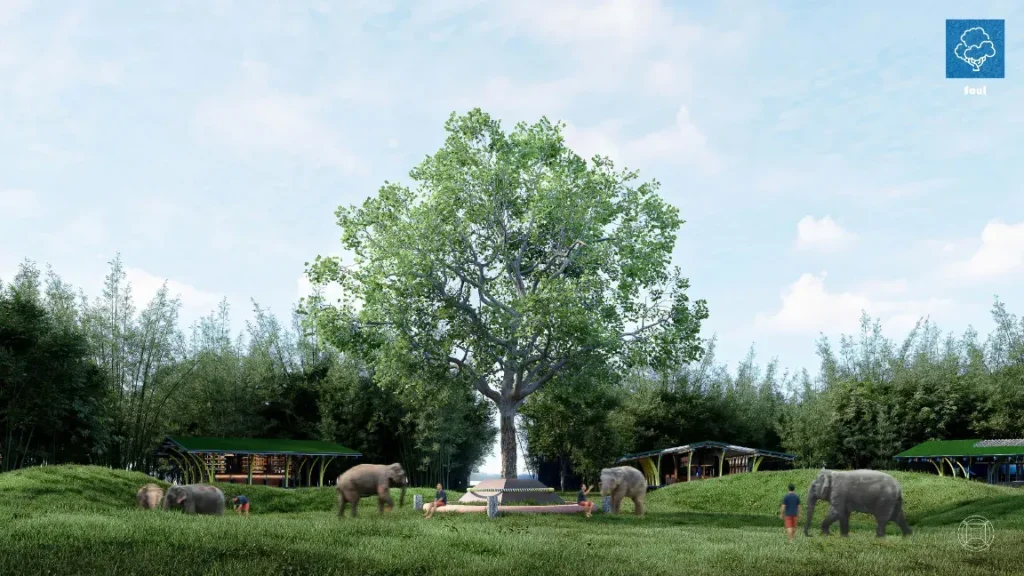
At the center, a landscape of earth mounds and water bodies allows elephants to move, rest, and bathe freely. This space also serves as a quiet reminder of the past, protected by large trees rooted in Pga K’nyau beliefs, becoming a place of reflection and reconnection.
Ultimately, this project seeks to restore what has been lost. It reimagines the relationship between humans and elephants as one of mutual respect, grounded in legacy yet oriented toward the future. By establishing a new model, it offers a framework beyond Thailand, setting a standard for how elephants can live with dignity. Through the transformation of overlooked materials and the revival of traditional knowledge, it redefines the value of elephants not as commodities, but as living beings whose presence continues to shape cultural identity.
Showcase your design to an international audience
SUBMIT NOW
Image: Agrapolis Urban Permaculture Farm by David Johanes Palar
Top
Lost & Found : Design Concept Statement If one were to ask Thai people today what defines Thailand, few would speak of elephants. This absence feels striking, considering that elephants have long stood beside Thai society not only as the national animal, but as companions in labor, ritual, and history. They once shared an intimate bond with humans, working together in mutual reliance, and stood as symbols of dignity alongside Thai kings across generations. Yet over time, this relationship has quietly faded. As machinery replaced labor, elephants were no longer needed in the forests, and their presence in everyday life diminished.
Today, the value of elephants is often misunderstood. Some see worth only in ivory, reducing a living being to a commodity. Many elephants now exist within confined spaces, performing for entertainment rather than living for themselves. This project begins with a simple but urgent question. What if elephants could live as they truly should.
The proposal envisions a space where elephants are no longer performers, but beings with agency and dignity. It seeks to restore their quality of life while reshaping human perception. Activities such as riding and confinement are replaced with experiences rooted in understanding, respect, and coexistence.
At the same time, the project recognizes the role of mahouts, whose lives are deeply intertwined with elephants. Often misunderstood, they face economic pressures that shape difficult choices. Improving the lives of elephants must also include sustaining the lives of the people who care for them. This project proposes a shift away from exploitative practices while ensuring that mahouts can continue to support their families with dignity.
At the heart of this reconnection lies an overlooked material. Elephant dung, often dismissed as waste, carries a quiet legacy within Thai culture. Historically used as fertilizer and fuel, it now reveals new potential as a source of innovation. The project transforms elephant dung into building materials such as bricks, lightweight blocks, plaster, flooring, and furniture, as well as products like paper and modular green roofs. It even extends into prosthetic development, returning life to elephants through materials that come from them. In doing so, it bridges past knowledge with future possibility.
The site is the Thai Elephant Conservation Center in Lampang, once a training ground for logging elephants and now a major care facility. Many mahouts here come from the Pga K’nyau community, whose worldview sees elephants as family. Their beliefs, tied to the forest and expressed through natural materials like bamboo, inform the spatial and cultural framework of the design. The project translates these traditions into a contemporary architectural language that reflects living with elephants rather than controlling them.
Design decisions are informed by the perception of elephants themselves. With dichromatic vision, elephants primarily distinguish blue and yellow, while other colors appear muted. This understanding shapes wayfinding and spatial clarity, allowing elephants to navigate more comfortably. Boundaries are softened, reducing the need for physical barriers and creating a closer relationship between humans and elephants without compromising safety.
The project reclaims a former performance ground, once a place where elephants were forced to act against their nature, and transforms it into a space where they can live as they should. The land is returned to both elephants and the community, creating a shared environment that supports livelihoods while prioritizing elephant well being. The site is organized into three zones for the community, elephants, and visitors.
Community spaces are opened to the public, allowing visitors to engage with processes such as transforming elephant dung into bricks, furniture, and prosthetic components. These outputs generate income while redefining waste as value. The project integrates solar energy, biogas, and the Elephant Roof, a sustainable roofing material developed from elephant dung, forming a closed loop system that reconnects people with elephants.
Visitor experiences shift from entertainment to understanding. Guests are welcomed through a Pga K’nyau inspired hearth gathering, followed by workshops in dung paper, furniture making, and herbal knowledge from mahouts. Bathing elephants becomes an act of care rather than spectacle.
At the center, a landscape of earth mounds and water bodies allows elephants to move, rest, and bathe freely. This space also serves as a quiet reminder of the past, protected by large trees rooted in Pga K’nyau beliefs, becoming a place of reflection and reconnection.
Ultimately, this project seeks to restore what has been lost. It reimagines the relationship between humans and elephants as one of mutual respect, grounded in legacy yet oriented toward the future. By establishing a new model, it offers a framework beyond Thailand, setting a standard for how elephants can live with dignity. Through the transformation of overlooked materials and the revival of traditional knowledge, it redefines the value of elephants not as commodities, but as living beings whose presence continues to shape cultural identity.

The AYDA Awards is part of Colouring Lives, Nippon Paint’s Corporate Social Responsibility (CSR) programme, which is dedicated to nurturing the next generation of Architectural and Interior Design talents. Through cross-learning and industry exposure, AYDA provides a platform for students to develop their skills and grow as designers. Discover more of Nippon Paint’s CSR initiatives under Colouring Lives.