BACK TO finalistS
Finalist: Interior Design
PROJECT AGKAT
Project AgkatCommunity Hub of the Yangil Tribe in Zambales Money from the tourists is fleeting, planting trees that support our livelihood keeps our community alive, those were the words of the chieftain of the Yangil Tribe. This is the core philosophy of Project Agkat, to foster sustainable development and ensure food security within their community. […]

Project Agkat
Community Hub of the Yangil Tribe in Zambales
Money from the tourists is fleeting, planting trees that support our livelihood keeps our community alive, those were the words of the chieftain of the Yangil Tribe. This is the core philosophy of Project Agkat, to foster sustainable development and ensure food security within their community.
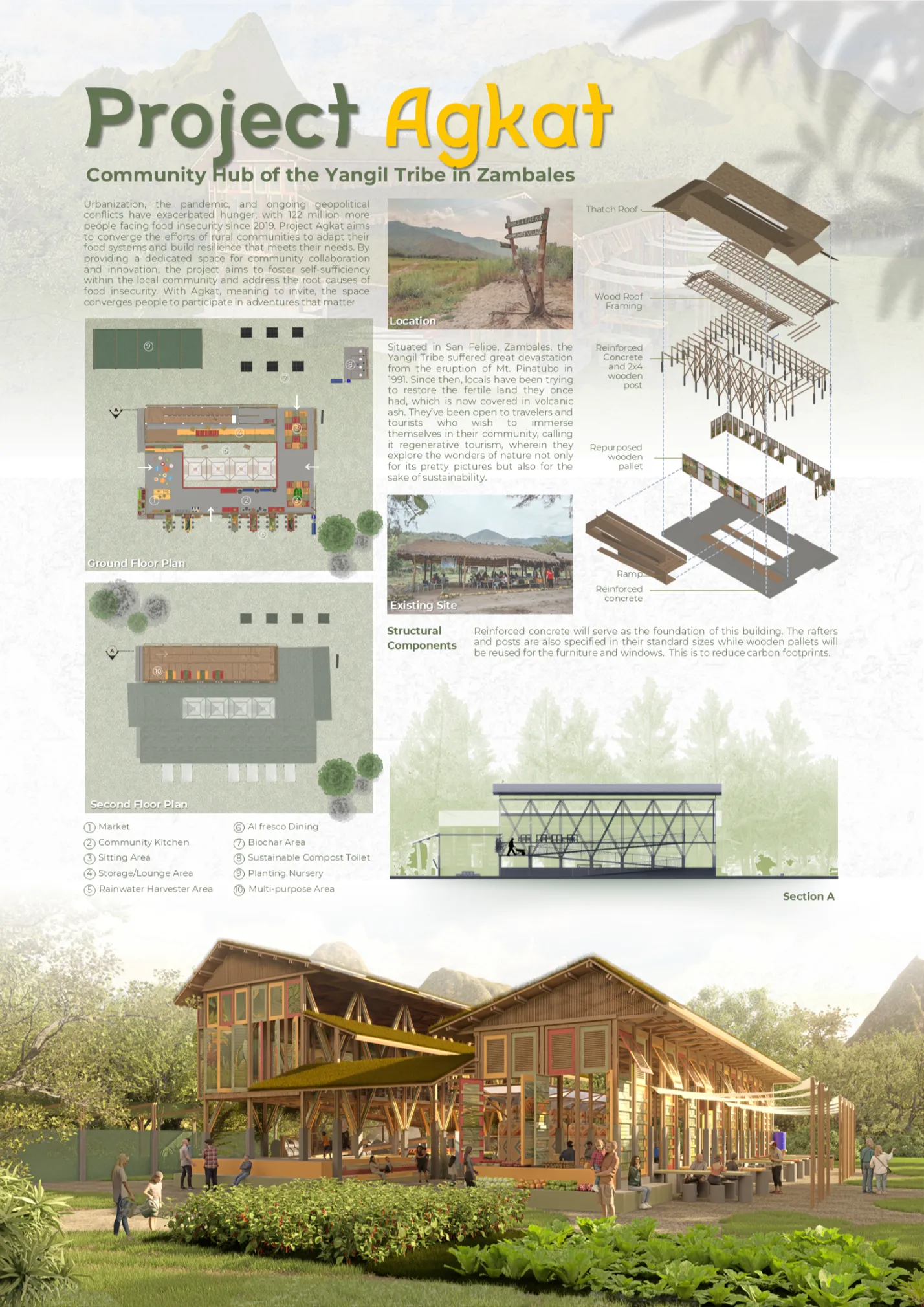
As days pass, our global food system continuously faces unprecedented challenges, rapid urbanization, the pandemic, and geopolitical conflicts, which lead to widespread food insecurity and malnutrition. This creates a demand for an increase in food production. Even the World Health Organization’s 2023 report on global food security and nutrition highlights the alarming rise in hunger, with 122 million more people affected since 2019. Recognizing this urgent need, Project Agkat aims to empower far-flung communities to adapt their food systems and create a self-sustaining one.
Zooming in to the Social Issue
Situated in San Felipe, Zambales, the Yangil Tribe is a community of Aetas who suffered great devastation from the eruption of Mt. Pinatubo in 1991. Since then, locals have been trying to restore the life of the 4,000-hectare land they once had, which is now covered in volcanic ash. They’ve been open to travelers and tourists who wish to immerse themselves in their community, called regenerative tourism, wherein they explore the wonders of nature not only for its pretty pictures but also for the sake of sustainability. This includes experiencing the beauty of caring for their planting nursery and showcasing their traditions where locals teach tourists the know-how of their hunting techniques. With Project Agkat, we create spaces with long-term impact that converge and connect the local community and the outside reach.

The Community Hub
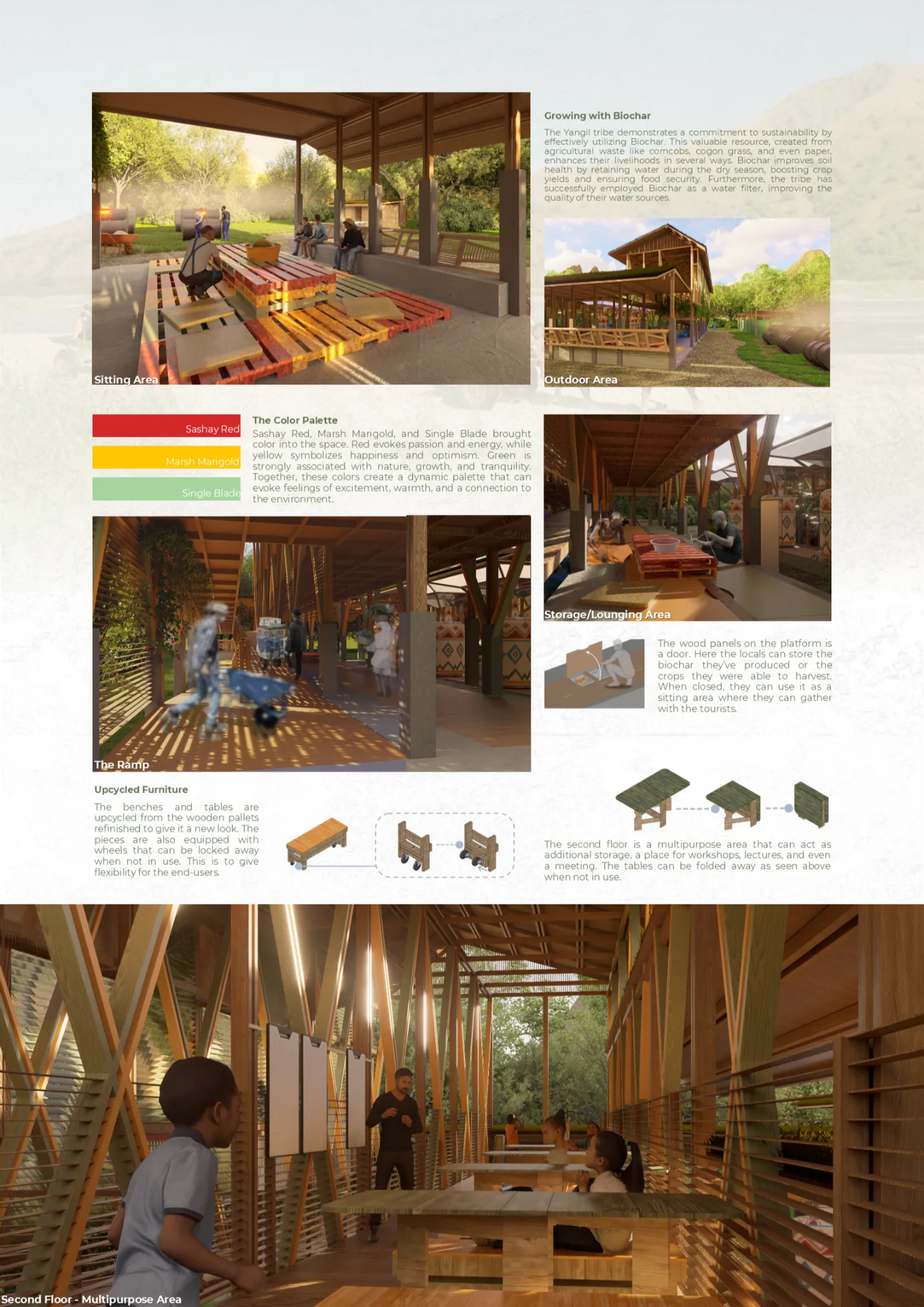
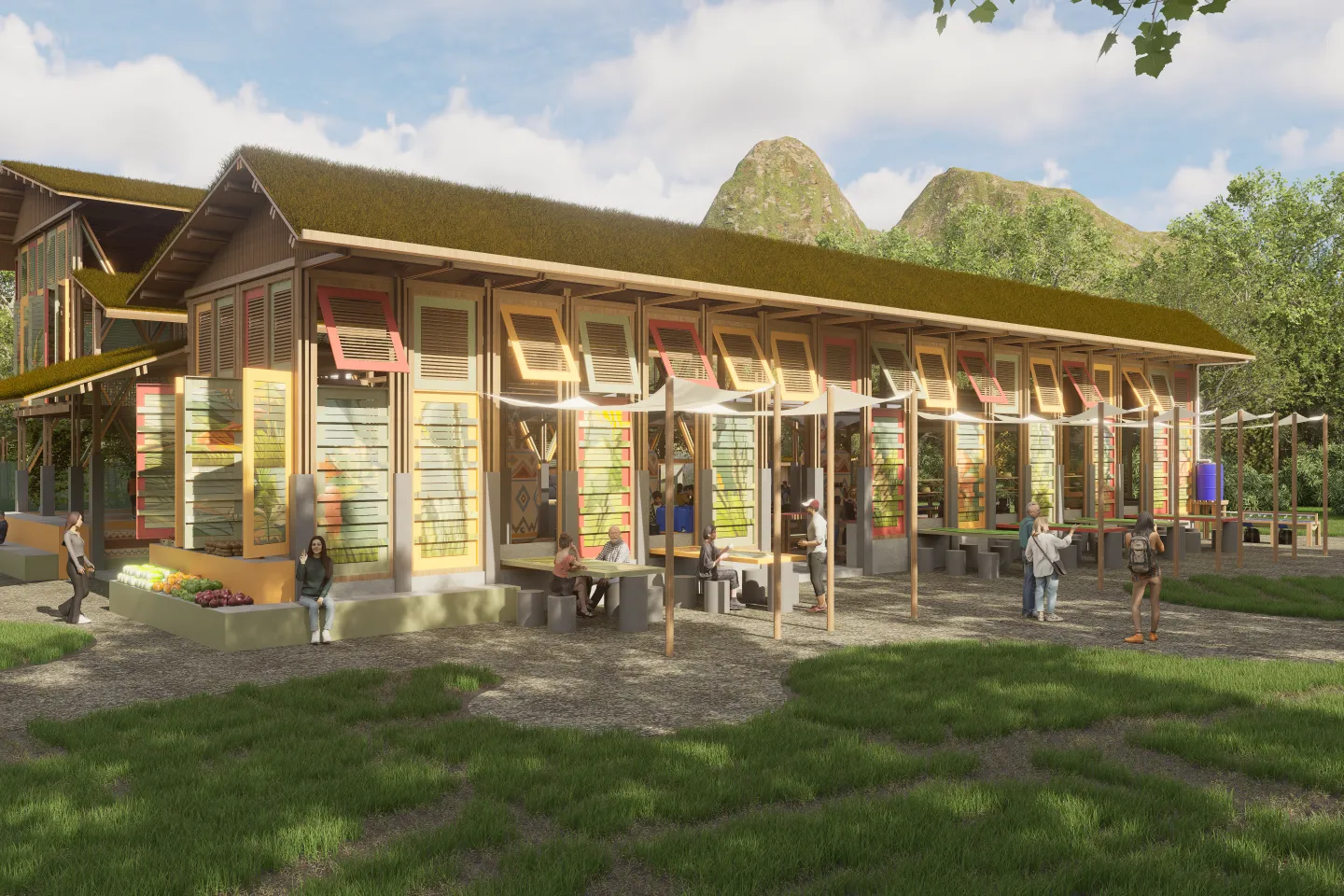
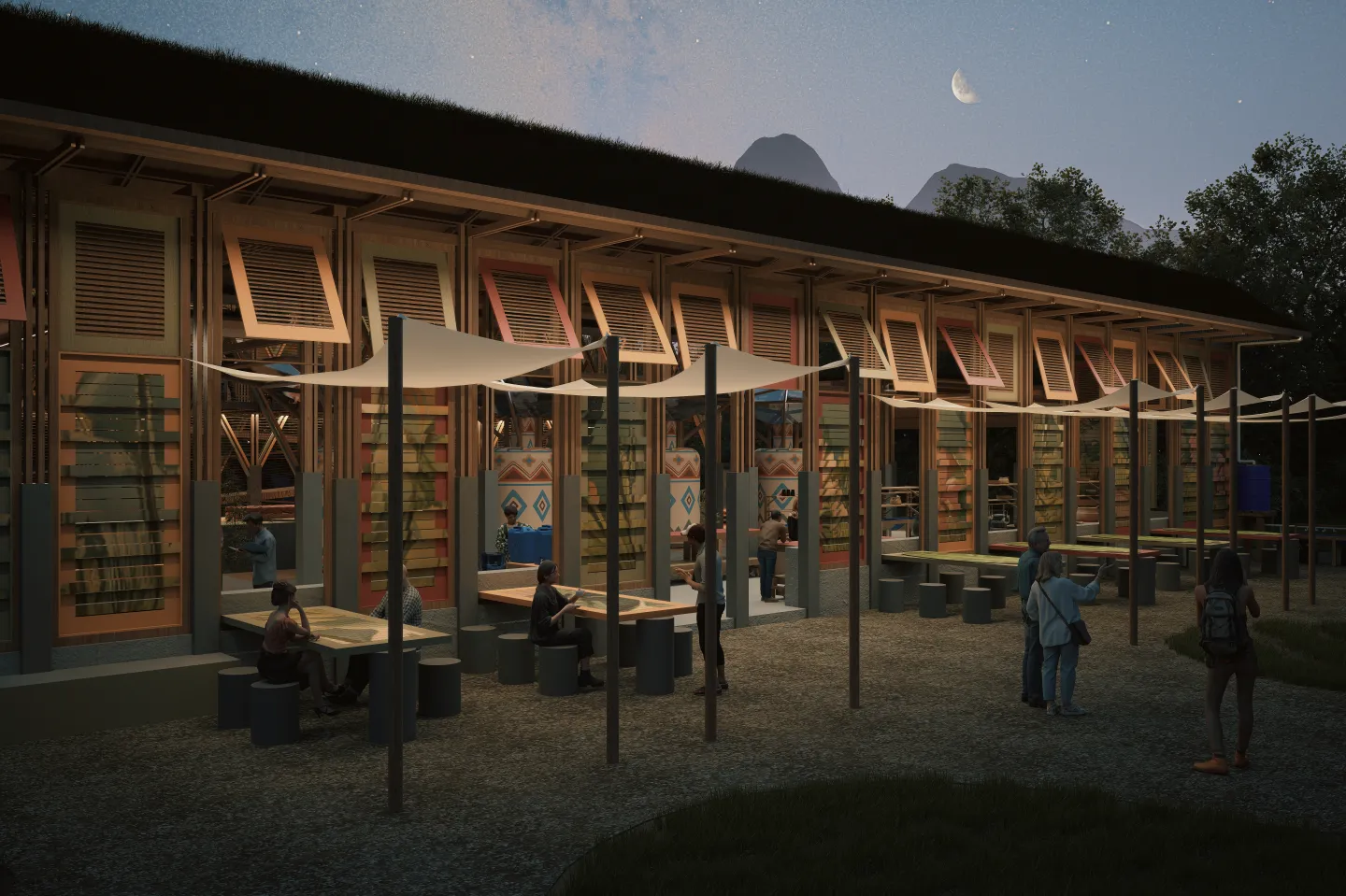
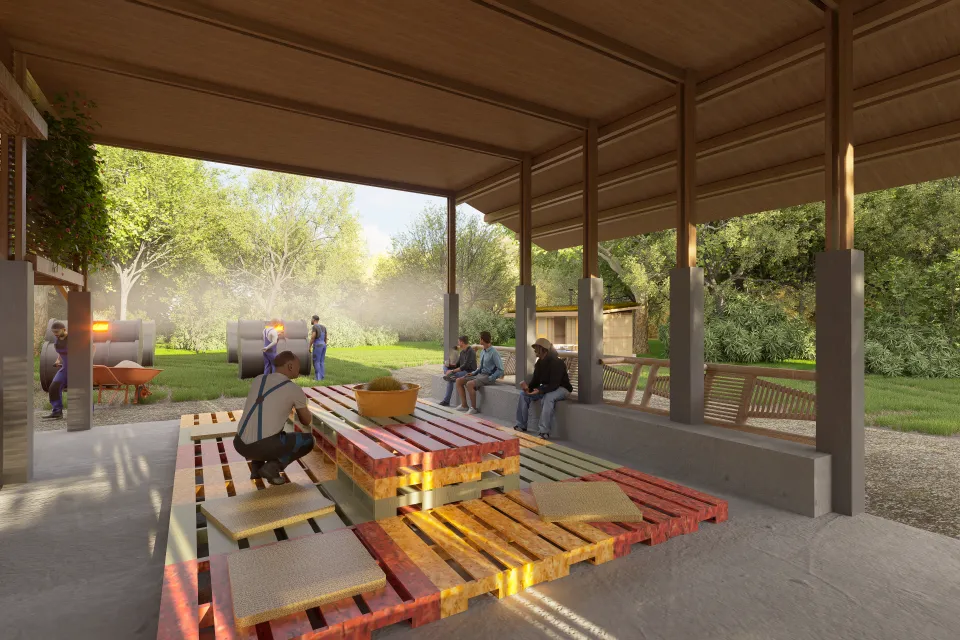
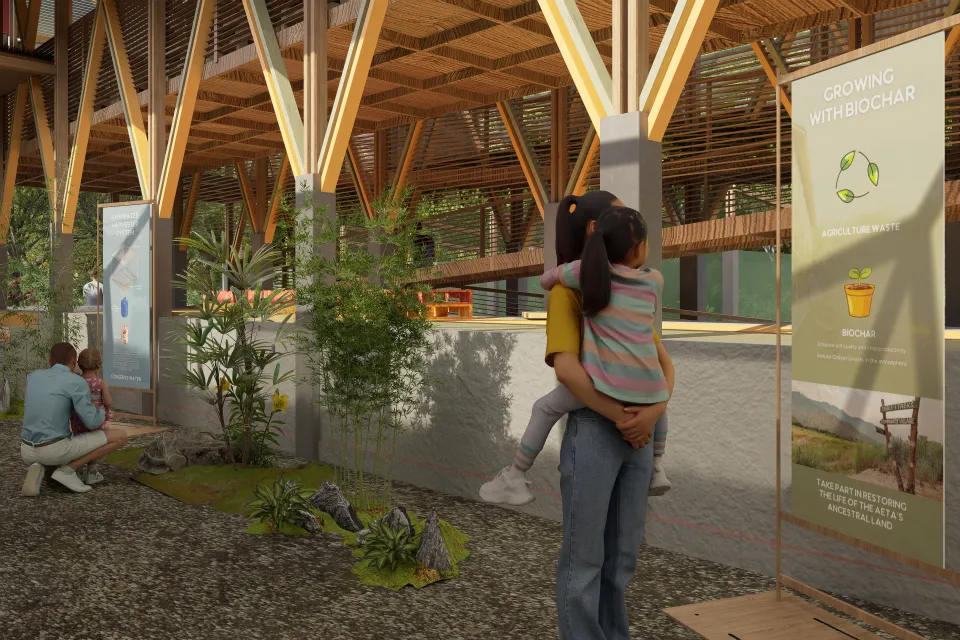
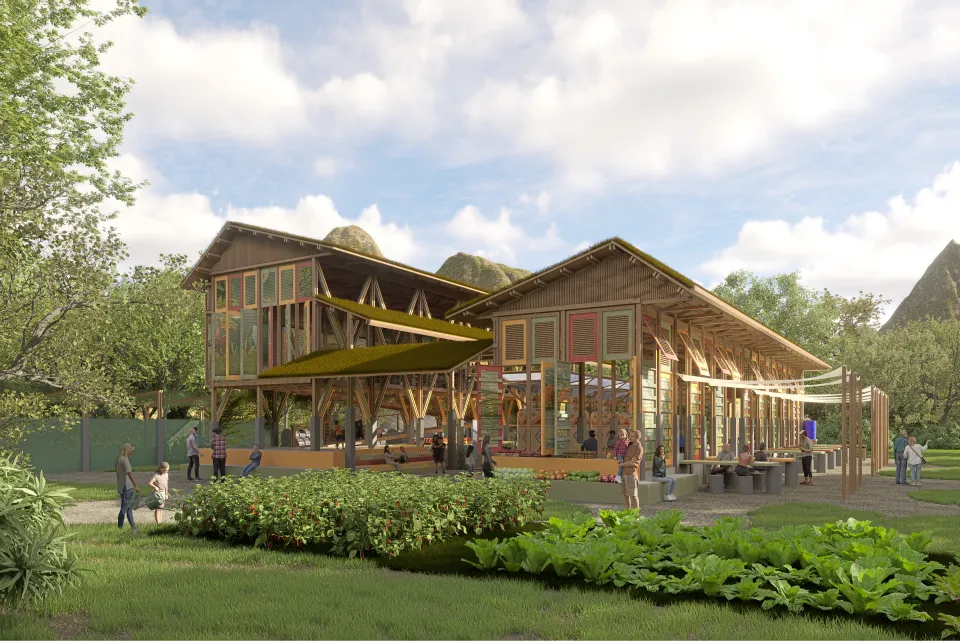
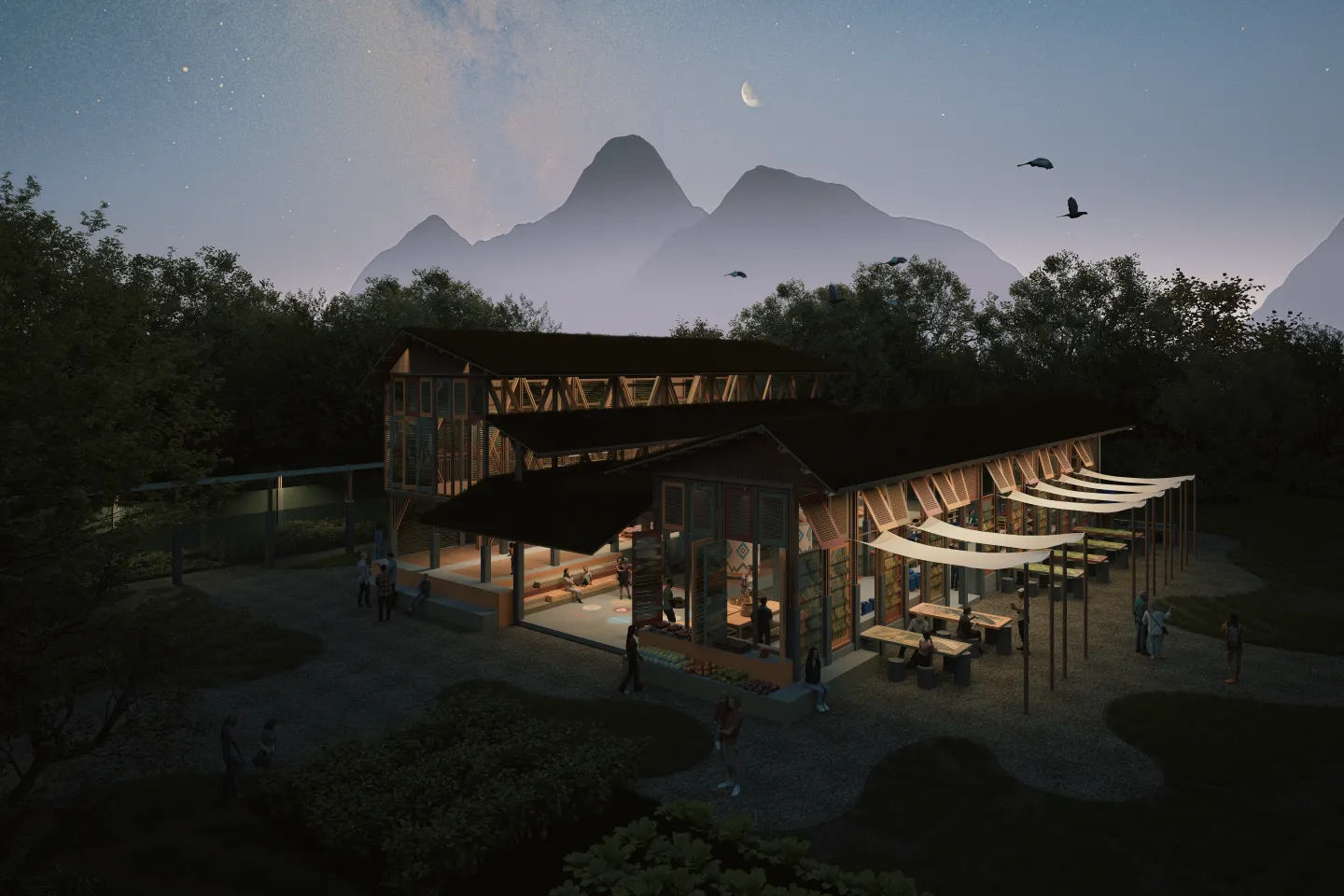
The design of the community includes a space for the rainwater harvester, a community kitchen, al fresco dining, sustainable toilet compost, communal gathering spaces, and a zone for Biochar-related activities. The community is empowered with Biochar, one of their key livelihoods. They turn flammable cogon grass, agricultural wastes from their poultry, corn cobs, and coconut husks into a charcoal-like product that helps keep moisture in their soil. This helped them enhance the quality of their soil, which enabled them to nourish the 65,000 trees they had been able to plant since 2017 through the help of visitors.
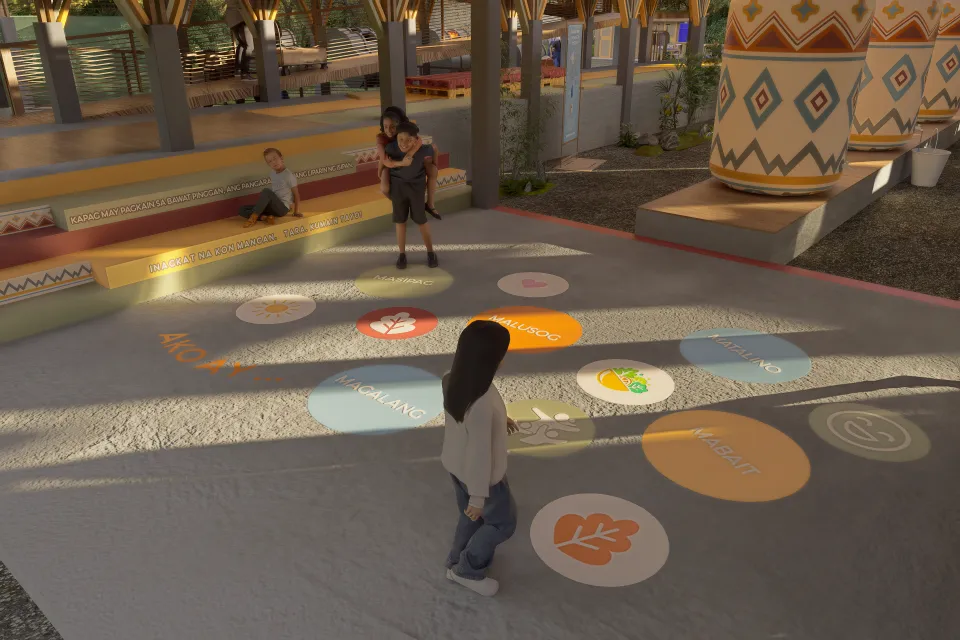
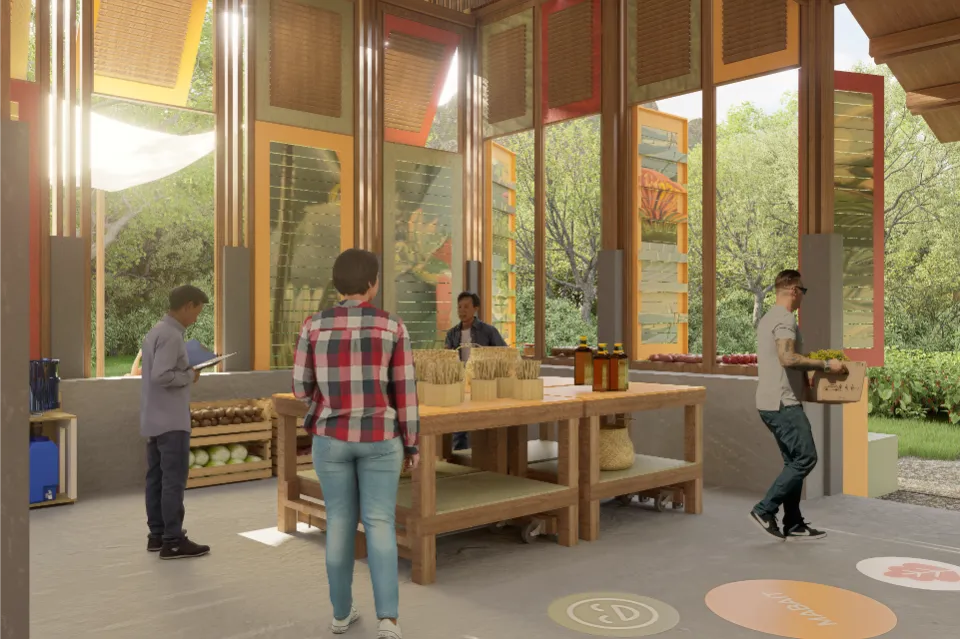
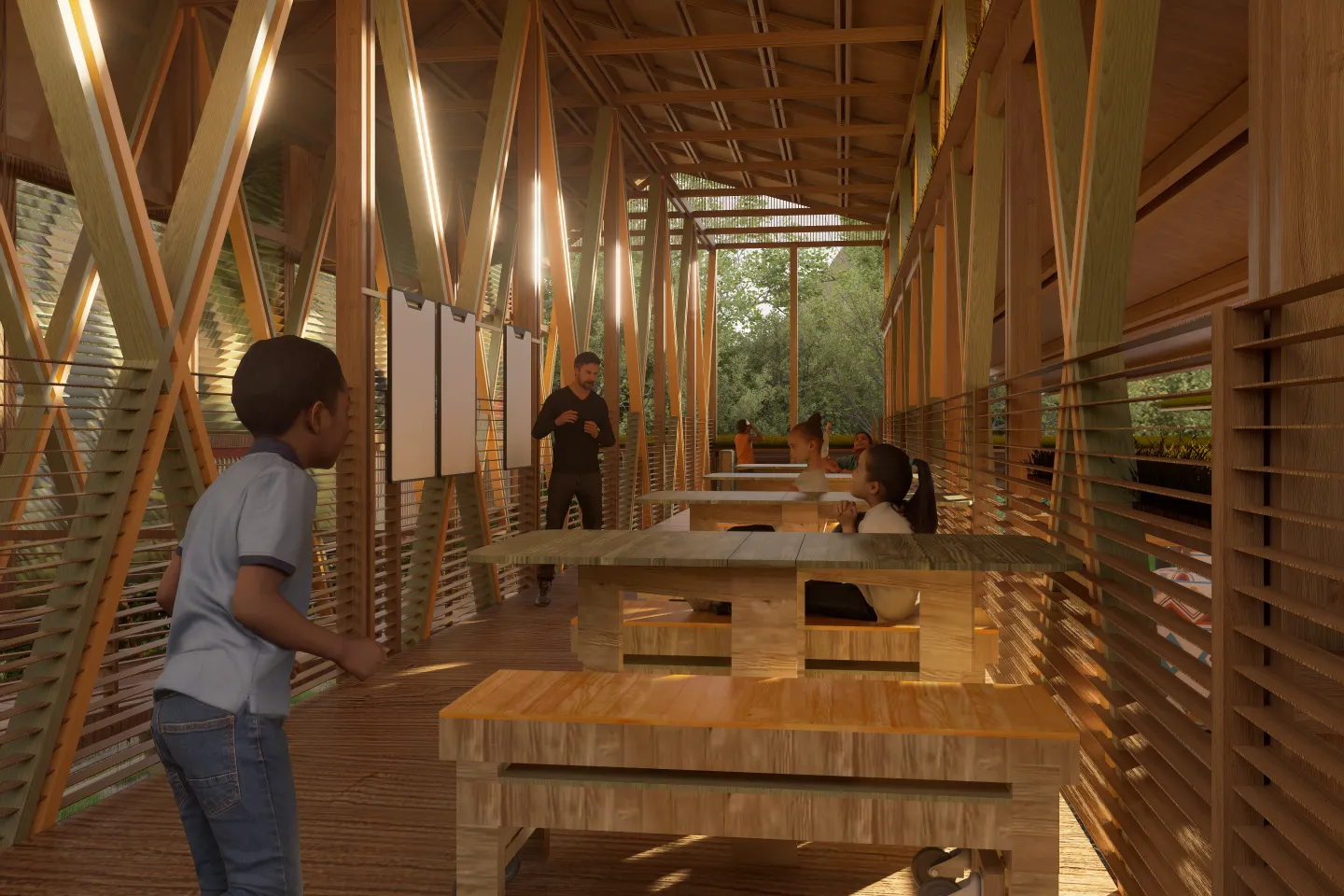
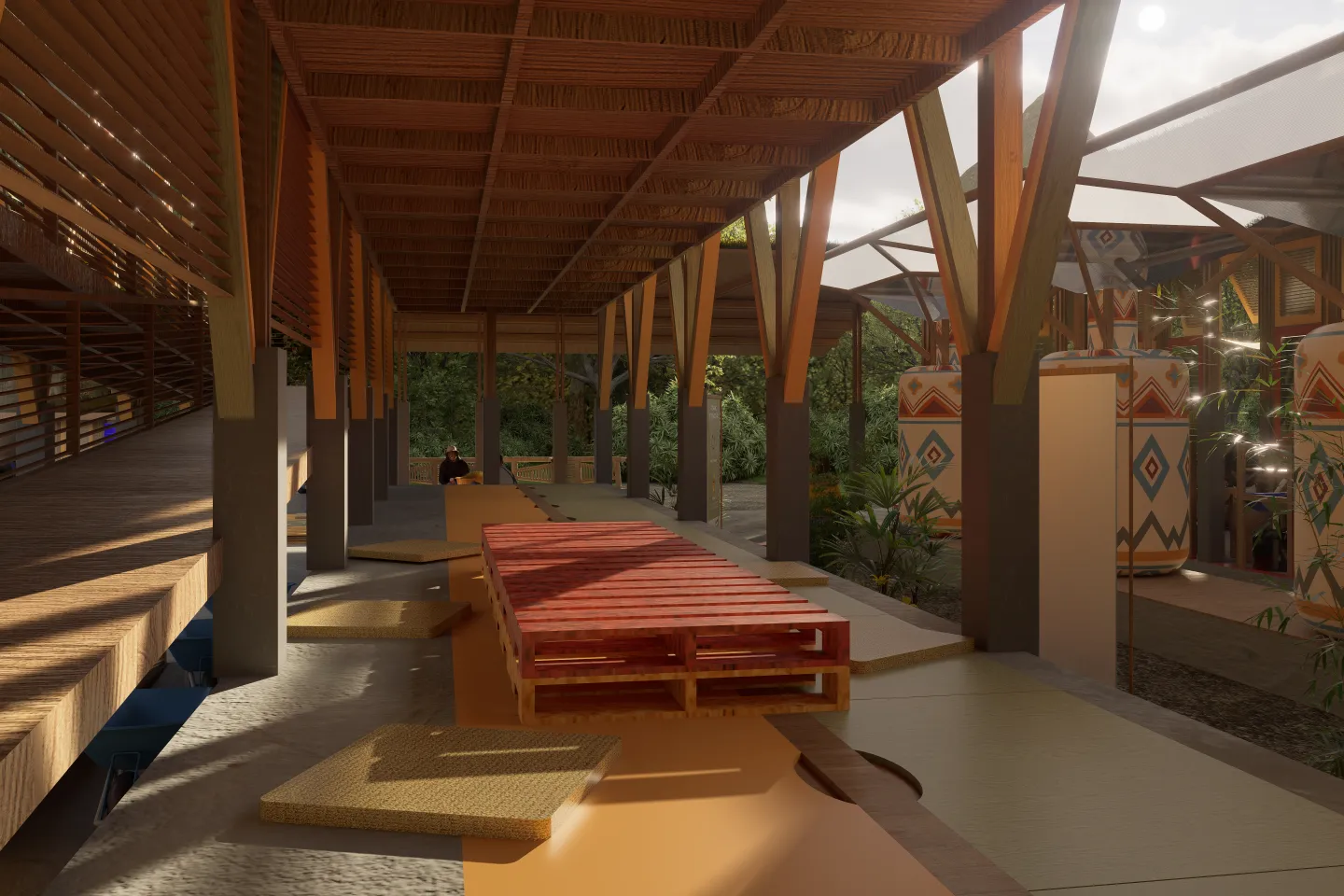
Moreover, the project's design reflects a commitment to sustainability. Reused wooden pallets will be used for the furniture and windows, minimizing environmental impact. The color palette – Sashay Red, Marsh Marigold, and Single Blade – evokes passion, and optimism, that does not stray away from the hues of nature.
The key features of Project Agkat include:
Rainwater Harvesting
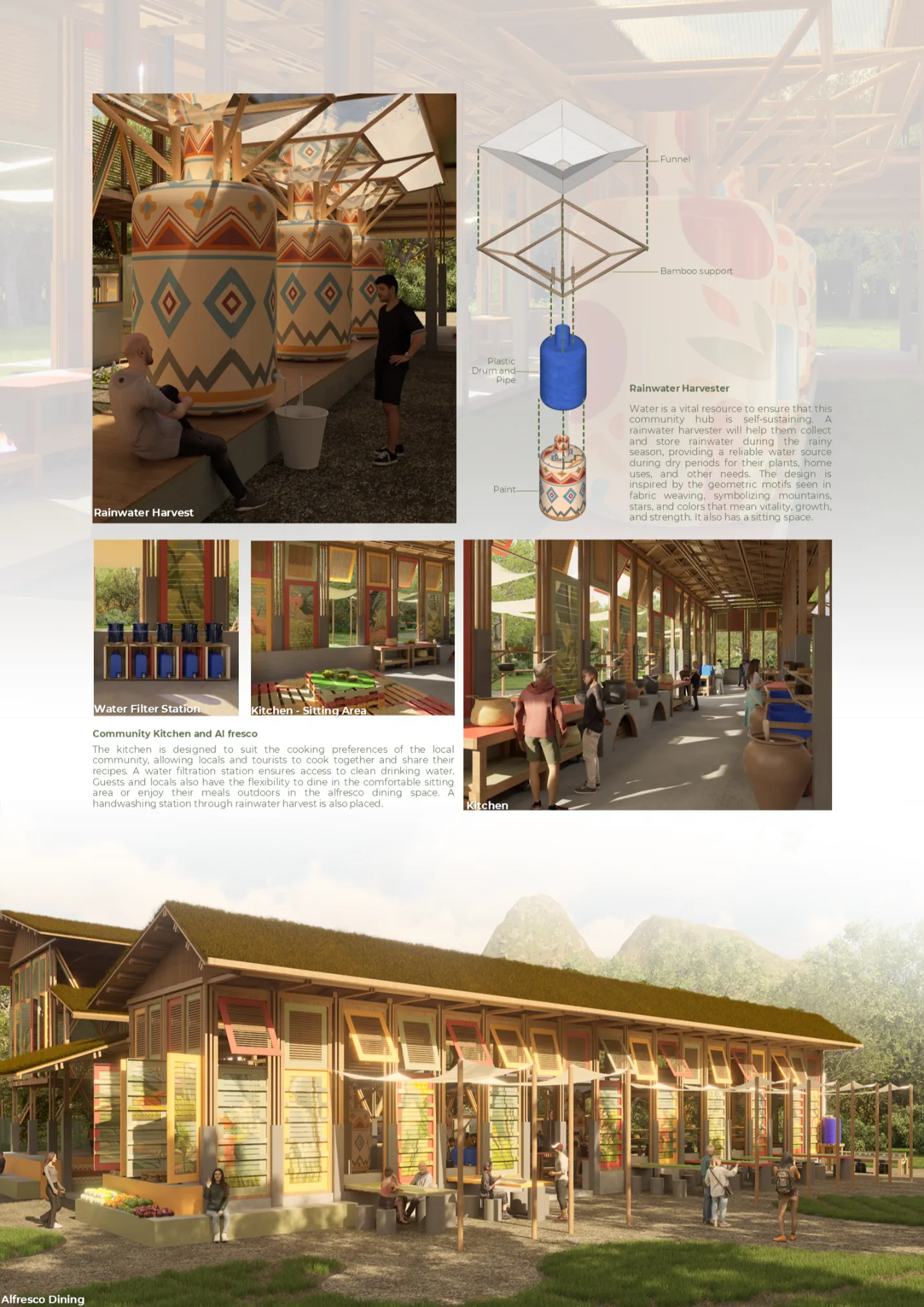
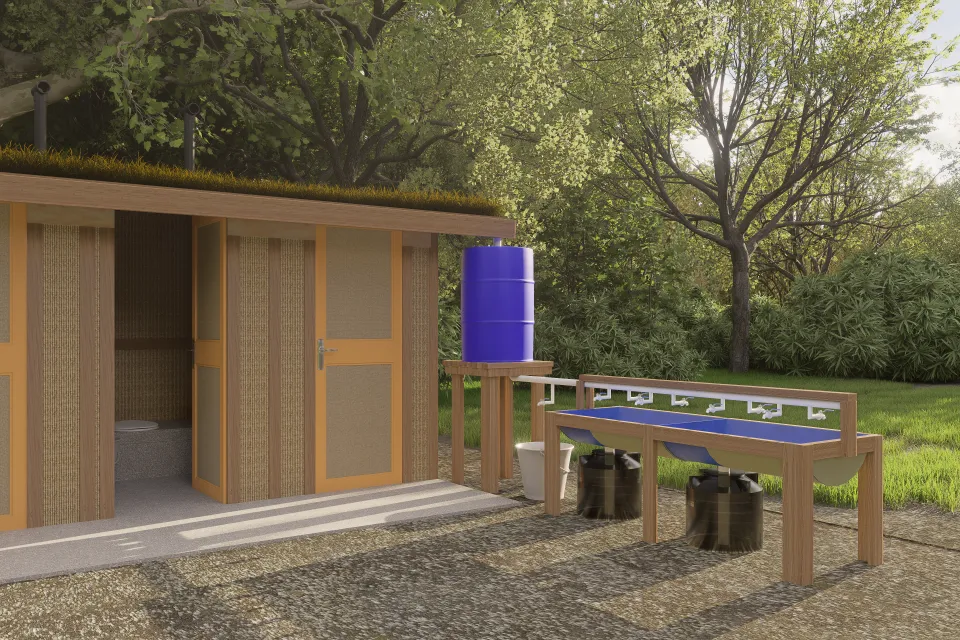
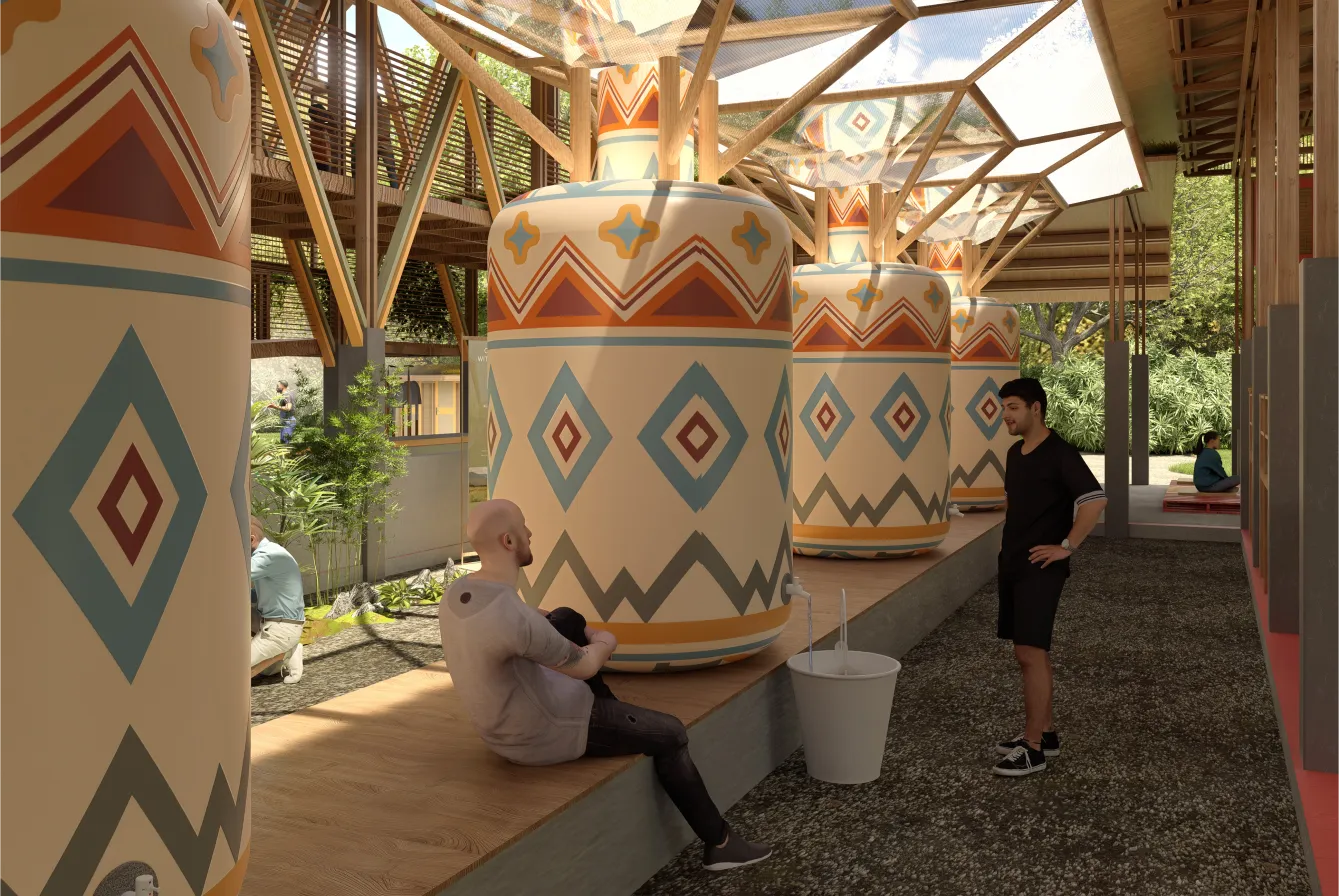
Water is a vital resource to ensure that this community hub is self-sustaining. To enhance water security, a rainwater harvesting system is incorporated. This will collect and store rainwater during the rainy season, providing a reliable water source during dry periods. This stored water will be utilized for watering plants, household needs, and other essential purposes, significantly increasing the community's resilience to droughts
Community Kitchen
The kitchen is designed to suit the cooking preferences of the local community, allowing locals and tourists to cook together and share their recipes. The tables are movable to allow flexibility for the end-users. A water filtration station ensures access to clean drinking water. Guests and locals can dine in the sitting area, inspired by their way of sitting on a mat, or enjoy their meals outdoors in the alfresco dining space.
Market Space
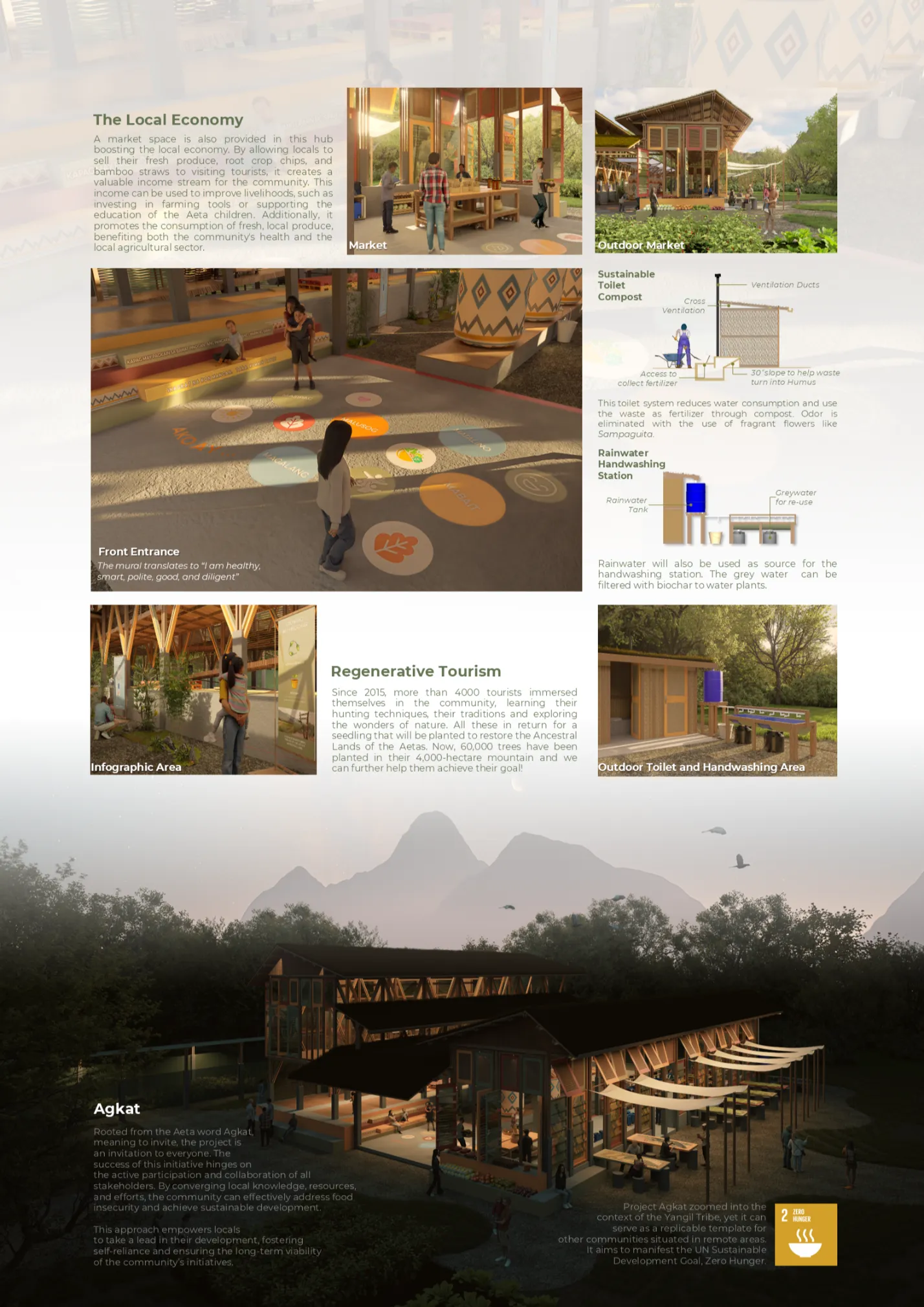
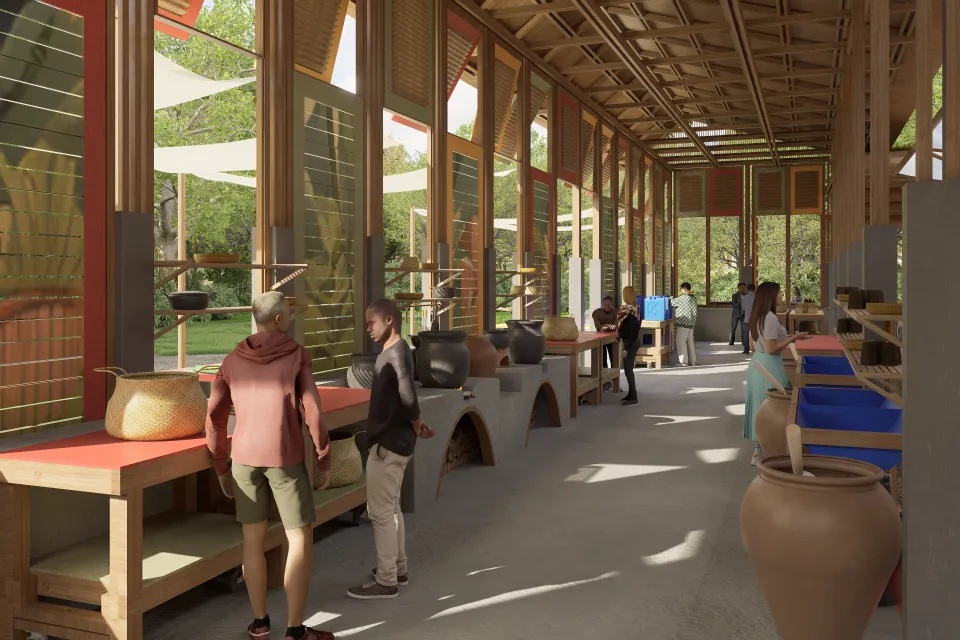
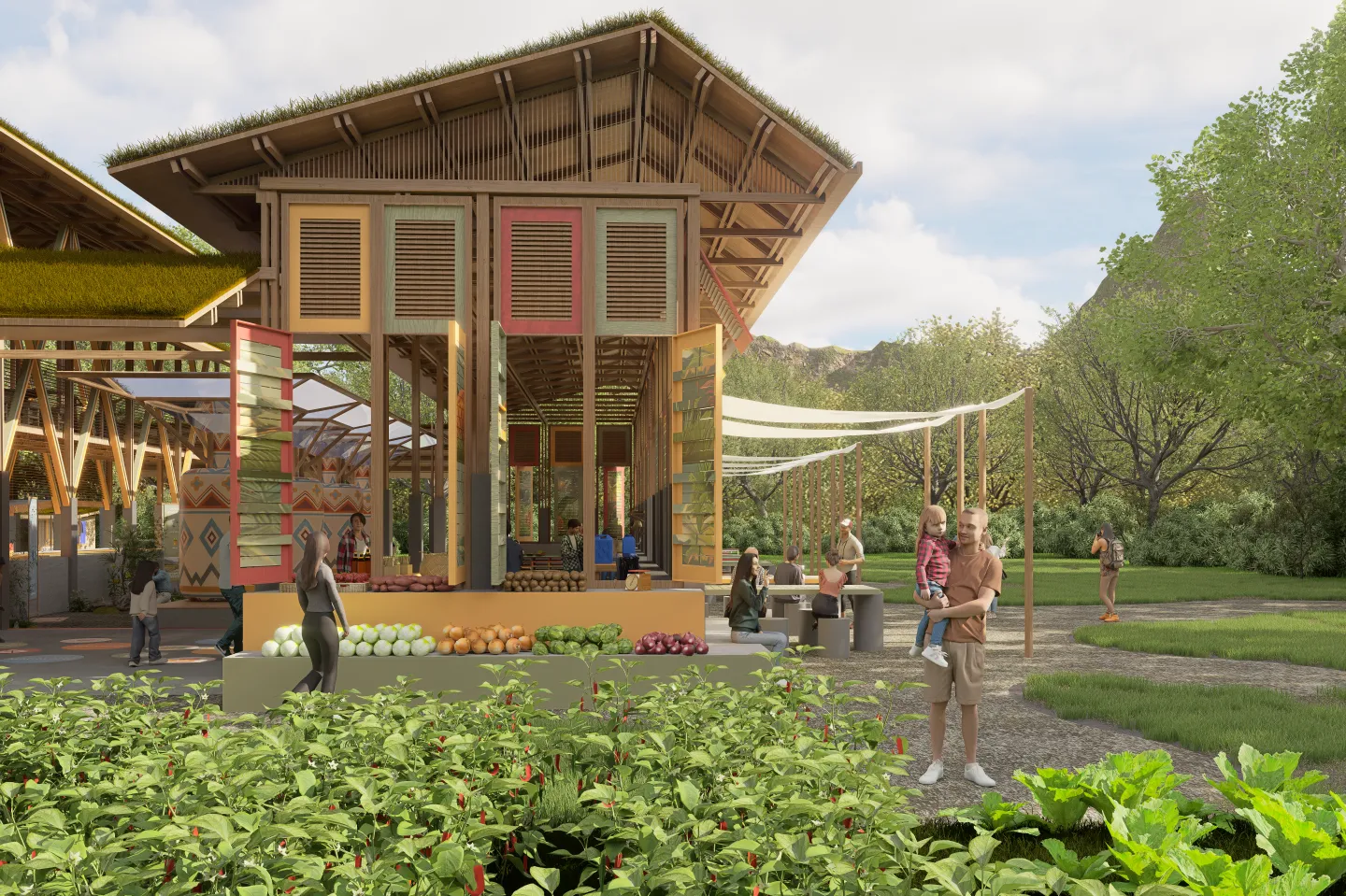
This hub also provides a market space, boosting the local economy. By allowing locals to sell their fresh produce, bamboo straws, honey jars, and root crop chips to visiting tourists, the community creates a valuable income stream. This income can be used to improve livelihoods, such as investing in farming tools or supporting the education of the Aeta children. Additionally, it promotes the consumption of fresh, local produce, benefiting both the community's health and the local agricultural sector.
Rooted from the word Agkat, meaning to invite, the project is an invitation to everyone. The success of this initiative hinges on the active participation and collaboration of all stakeholders. By converging local knowledge, resources, and efforts, the community can effectively address food insecurity and achieve sustainable development. This approach empowers locals to take a lead in their development, fostering self-reliance and ensuring the long-term viability of the community's initiatives.
Project Agkat zoomed into the context of the Yangil Tribe, yet it can serve as a replicable template for other communities situated in remote areas. It aims to manifest the UN Sustainable Development Goal, Zero Hunger.
Showcase your design to an international audience
SUBMIT NOW
Image: Agrapolis Urban Permaculture Farm by David Johanes Palar
Top
Project Agkat Money from the tourists is fleeting, planting trees that support our livelihood keeps our community alive, those were the words of the chieftain of the Yangil Tribe. This is the core philosophy of Project Agkat, to foster sustainable development and ensure food security within their community. Zooming in to the Social Issue The Community Hub Moreover, the project's design reflects a commitment to sustainability. Reused wooden pallets will be used for the furniture and windows, minimizing environmental impact. The color palette – Sashay Red, Marsh Marigold, and Single Blade – evokes passion, and optimism, that does not stray away from the hues of nature. The key features of Project Agkat include: Rooted from the word Agkat, meaning to invite, the project is an invitation to everyone. The success of this initiative hinges on the active participation and collaboration of all stakeholders. By converging local knowledge, resources, and efforts, the community can effectively address food insecurity and achieve sustainable development. This approach empowers locals to take a lead in their development, fostering self-reliance and ensuring the long-term viability of the community's initiatives.
Community Hub of the Yangil Tribe in Zambales
As days pass, our global food system continuously faces unprecedented challenges, rapid urbanization, the pandemic, and geopolitical conflicts, which lead to widespread food insecurity and malnutrition. This creates a demand for an increase in food production. Even the World Health Organization’s 2023 report on global food security and nutrition highlights the alarming rise in hunger, with 122 million more people affected since 2019. Recognizing this urgent need, Project Agkat aims to empower far-flung communities to adapt their food systems and create a self-sustaining one.
Situated in San Felipe, Zambales, the Yangil Tribe is a community of Aetas who suffered great devastation from the eruption of Mt. Pinatubo in 1991. Since then, locals have been trying to restore the life of the 4,000-hectare land they once had, which is now covered in volcanic ash. They’ve been open to travelers and tourists who wish to immerse themselves in their community, called regenerative tourism, wherein they explore the wonders of nature not only for its pretty pictures but also for the sake of sustainability. This includes experiencing the beauty of caring for their planting nursery and showcasing their traditions where locals teach tourists the know-how of their hunting techniques. With Project Agkat, we create spaces with long-term impact that converge and connect the local community and the outside reach.
The design of the community includes a space for the rainwater harvester, a community kitchen, al fresco dining, sustainable toilet compost, communal gathering spaces, and a zone for Biochar-related activities. The community is empowered with Biochar, one of their key livelihoods. They turn flammable cogon grass, agricultural wastes from their poultry, corn cobs, and coconut husks into a charcoal-like product that helps keep moisture in their soil. This helped them enhance the quality of their soil, which enabled them to nourish the 65,000 trees they had been able to plant since 2017 through the help of visitors.
Rainwater Harvesting
Water is a vital resource to ensure that this community hub is self-sustaining. To enhance water security, a rainwater harvesting system is incorporated. This will collect and store rainwater during the rainy season, providing a reliable water source during dry periods. This stored water will be utilized for watering plants, household needs, and other essential purposes, significantly increasing the community's resilience to droughts
Community Kitchen
The kitchen is designed to suit the cooking preferences of the local community, allowing locals and tourists to cook together and share their recipes. The tables are movable to allow flexibility for the end-users. A water filtration station ensures access to clean drinking water. Guests and locals can dine in the sitting area, inspired by their way of sitting on a mat, or enjoy their meals outdoors in the alfresco dining space.
Market Space
This hub also provides a market space, boosting the local economy. By allowing locals to sell their fresh produce, bamboo straws, honey jars, and root crop chips to visiting tourists, the community creates a valuable income stream. This income can be used to improve livelihoods, such as investing in farming tools or supporting the education of the Aeta children. Additionally, it promotes the consumption of fresh, local produce, benefiting both the community's health and the local agricultural sector.
Project Agkat zoomed into the context of the Yangil Tribe, yet it can serve as a replicable template for other communities situated in remote areas. It aims to manifest the UN Sustainable Development Goal, Zero Hunger.

The AYDA Awards is part of Colouring Lives, Nippon Paint’s Corporate Social Responsibility (CSR) programme, which is dedicated to nurturing the next generation of Architectural and Interior Design talents. Through cross-learning and industry exposure, AYDA provides a platform for students to develop their skills and grow as designers. Discover more of Nippon Paint’s CSR initiatives under Colouring Lives.