BACK TO finalistS
Finalist: Architectural Category
LOVE IN THE TIME OF INSTANT CITIES
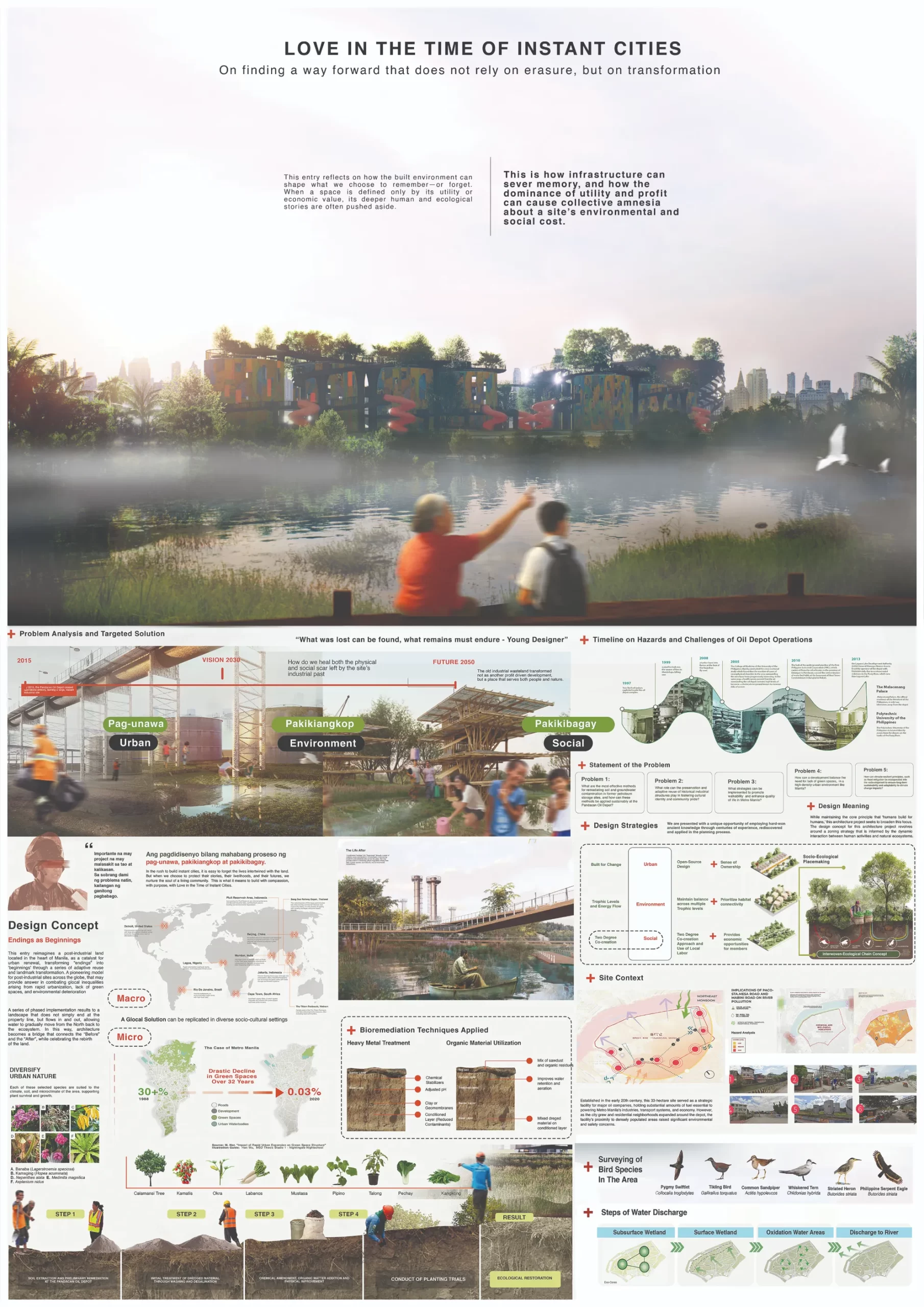
Design Concept:Industrial to Ecological Reuse. The site’s industrial DNA is not erased, but rewoven as living, evolving landscapes. Love In The Time of Instant Cities Transforming The Pandacan Oil Depot from Post-Industrial to Eco-Urban, Manila This entry reimagines a post-industrial land located in the heart of Manila, as a catalyst for urban renewal, transforming “endings” […]

Design Concept:Industrial to Ecological Reuse.
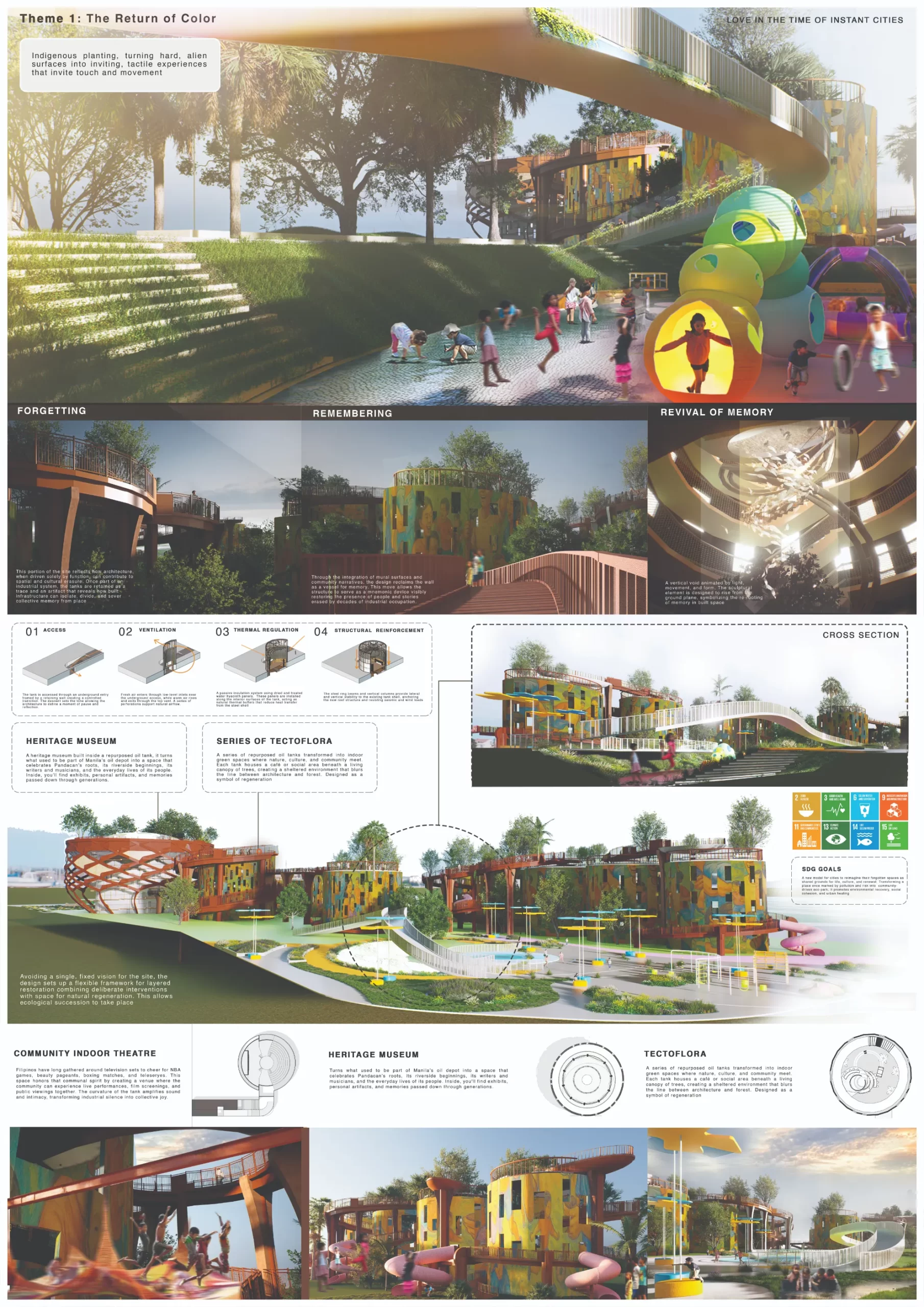
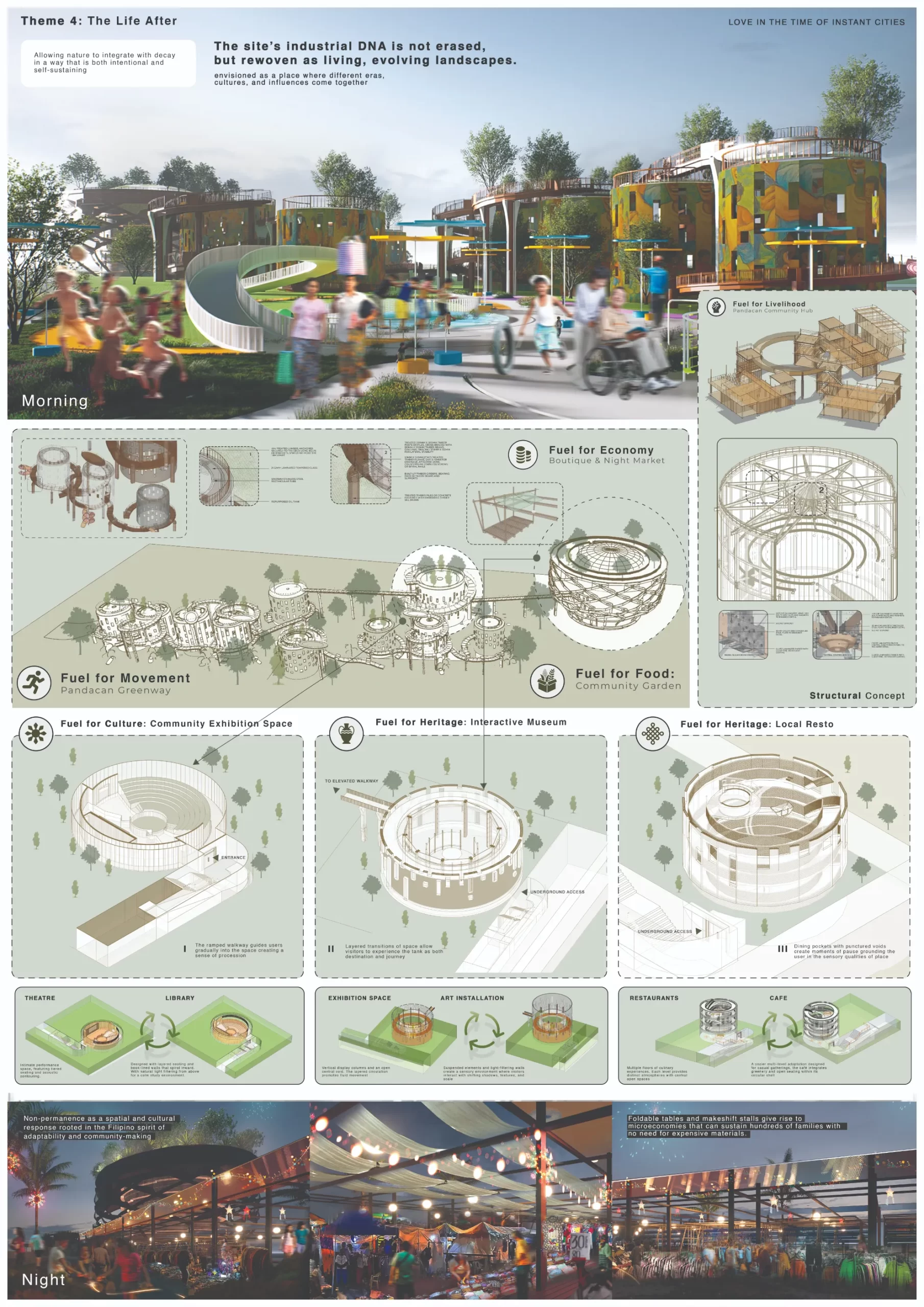
The site’s industrial DNA is not erased, but rewoven as living, evolving landscapes.
Love In The Time of Instant Cities
Transforming The Pandacan Oil Depot from Post-Industrial to Eco-Urban, Manila
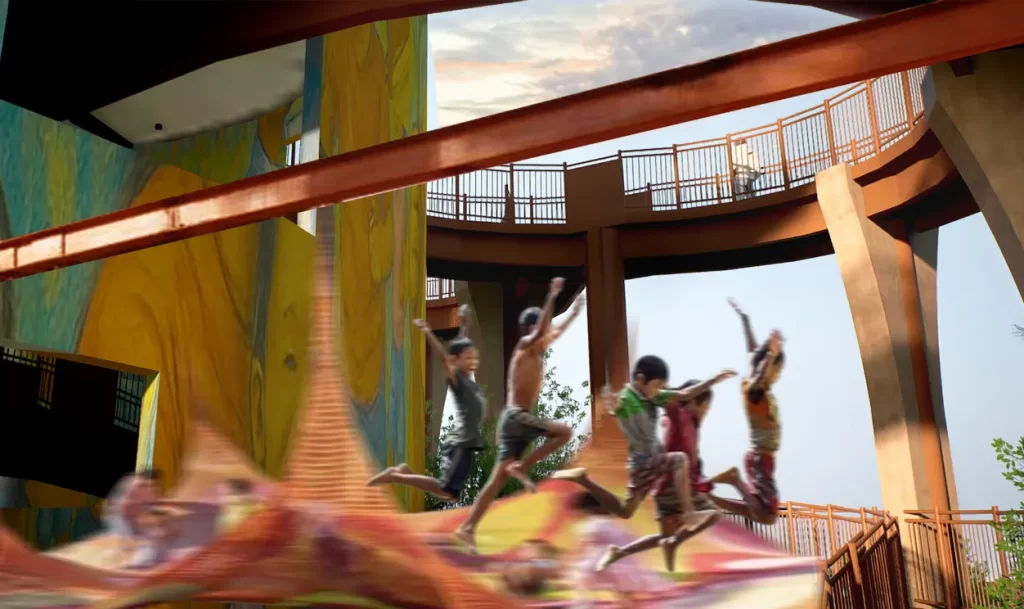
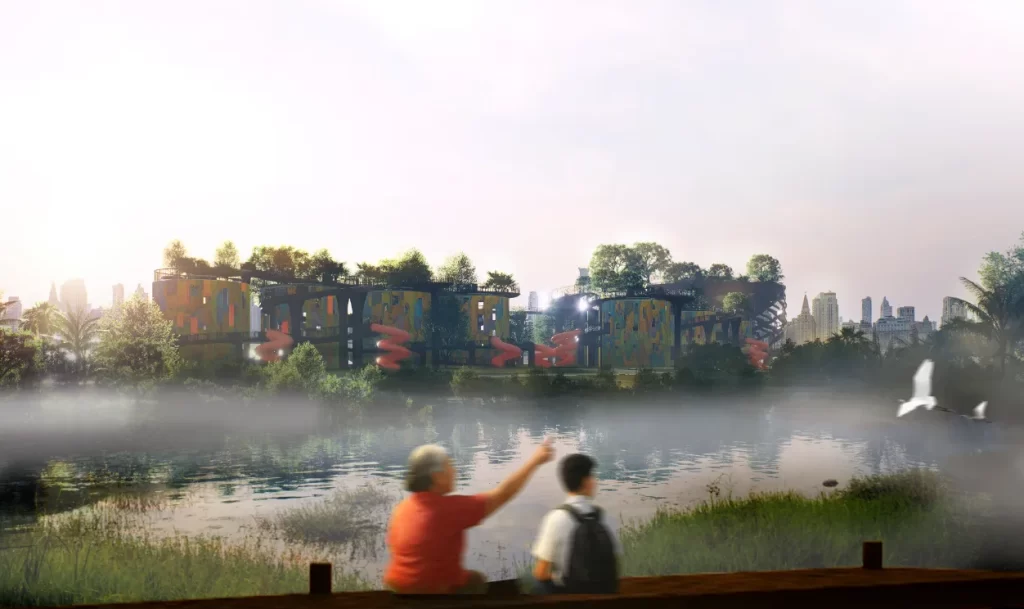
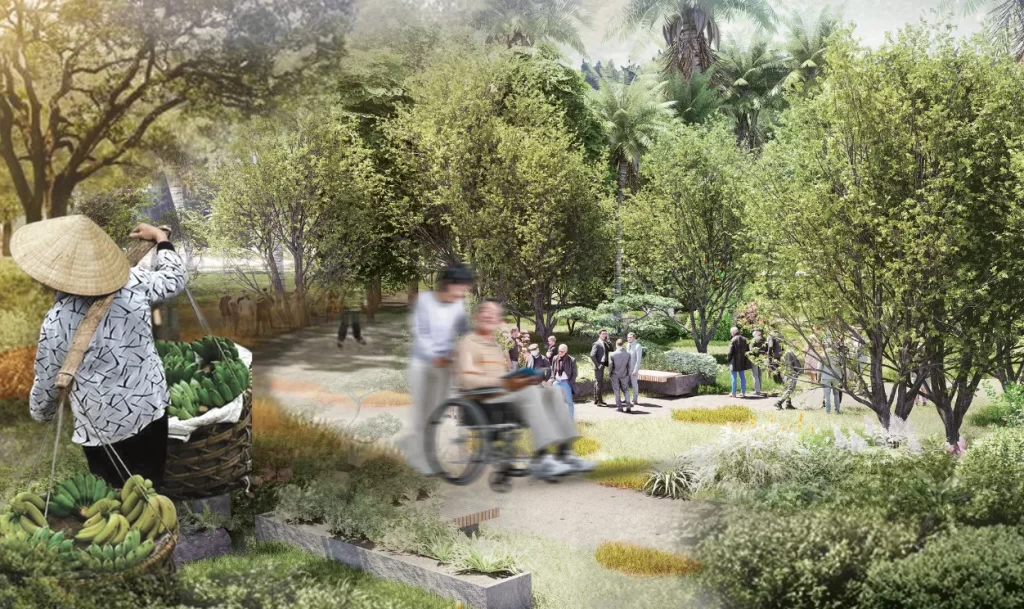
This entry reimagines a post-industrial land located in the heart of Manila, as a catalyst for urban renewal, transforming “endings” into “beginnings” through a series of adaptive reuse and landmark transformation. A people’s garden recovering lost ecosystems, diversifying urban nature, and promoting social cohesion through the integration of built and natural landscapes in a series of socio-ecological placemaking. A pioneering model for post-industrial sites across the globe, that may provide answer in combating glocal inequalities arising from rapid urbanization, lack of green spaces, and environmental degradation.
The Pandacan Oil Depot, located along the banks of the Pasig River in Manila, Philippines, has historically played a critical role as a storage and distribution hub for petroleum products. Over the years, several incidents highlighted the risks associated with storing and distributing hazardous materials in an urban area. Concerns about air pollution, fire hazards, and potential soil and water contamination due to petroleum leaks intensified as the depot continued operations in a rapidly urbanizing district. By 2015, the Pandacan Oil Depot ceased operations entirely, leaving a large, vacant industrial site in the core of Manila, close to both commercial and residential zones. With the oil depot gone, we are faced with a moment in history to redefine a vast industrial wasteland, not as another profit driven development, but a place that serves both people and nature. Reclaiming the narrative and answering the people’s resounding call for an eco-park.
DESIGN THINKING
If we employ both natural and human capital into an integrated system that allows post industrial sites to reach full potential, improves well-being, and adapts to ever- changing climate. How might we envision a different future not only for Pandacan residents but for greater Manila?
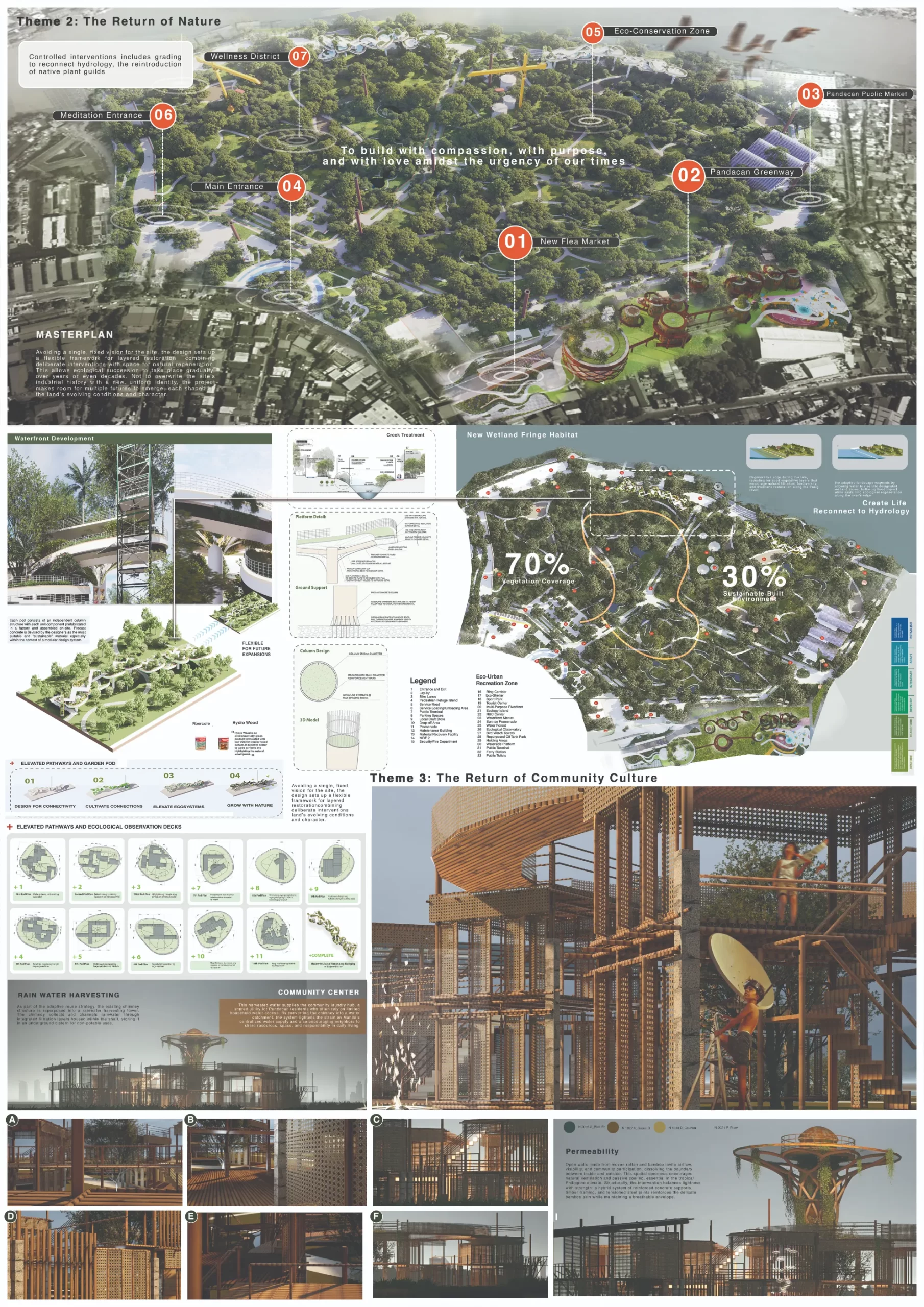
THE MASTERPLAN
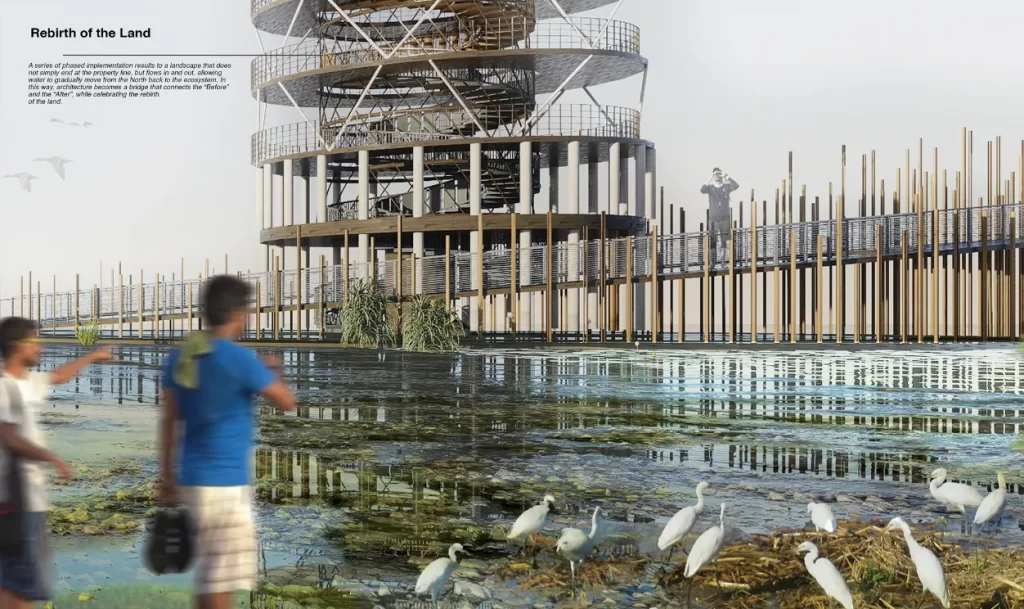
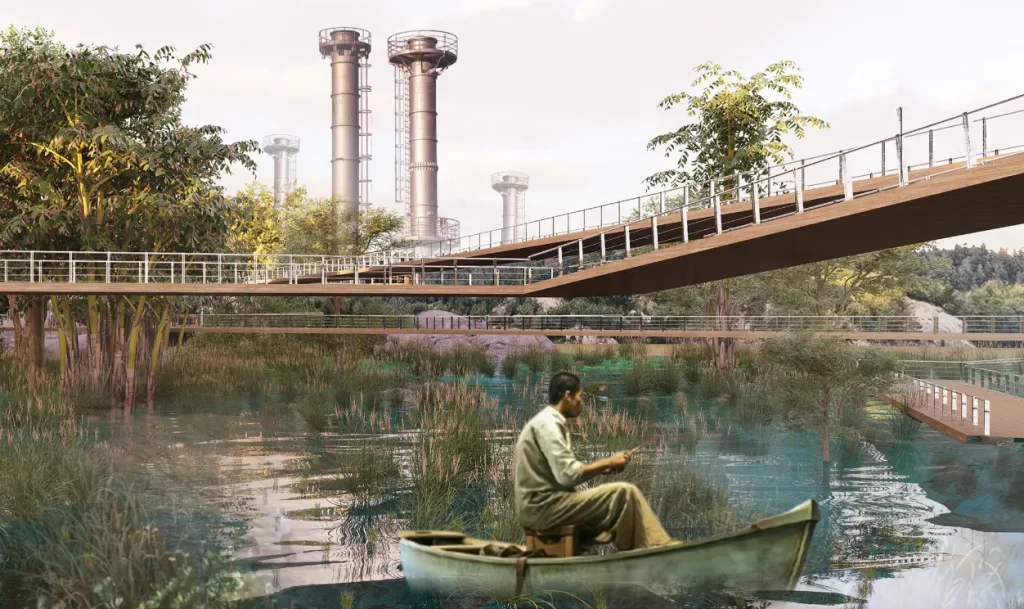
A series of phased implementation results to a landscape that does not simply end at the property line, but flows in and out, allowing water to gradually move from the North back to the ecosystem. In this way, architecture becomes a bridge that connects the “Before” and the “After”, while celebrating the rebirth of the land.
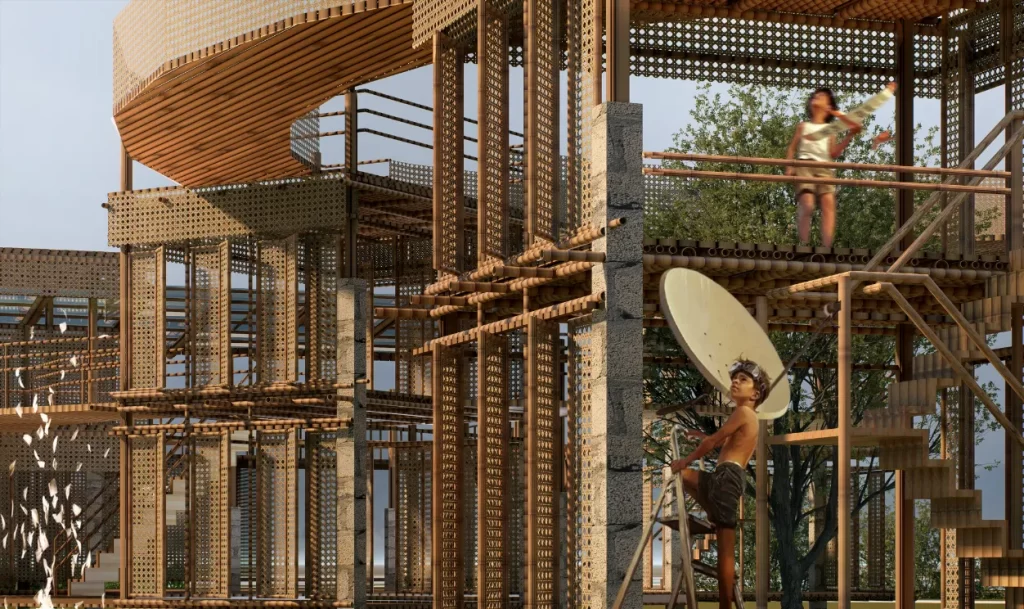
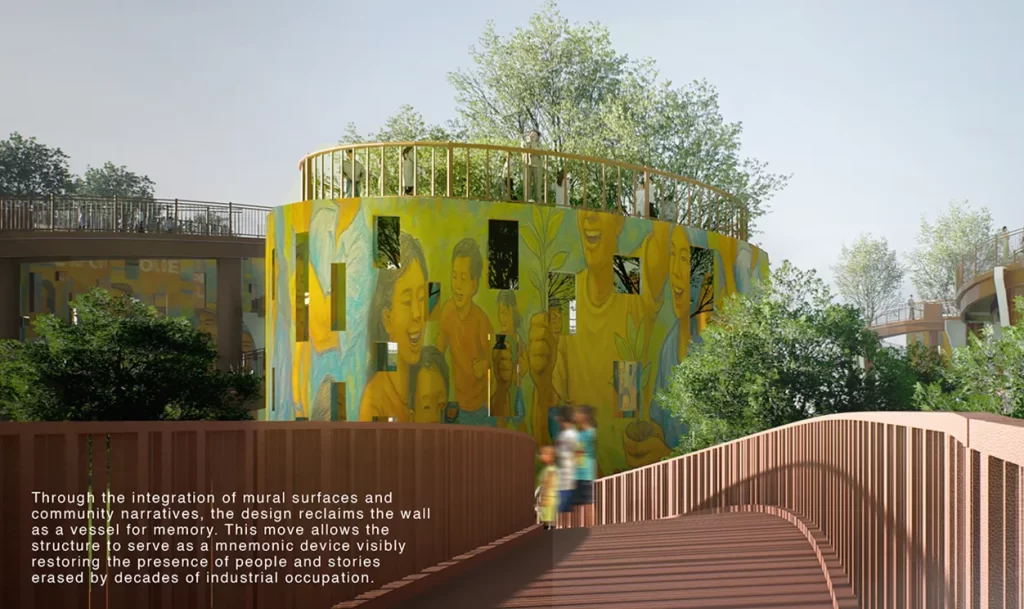
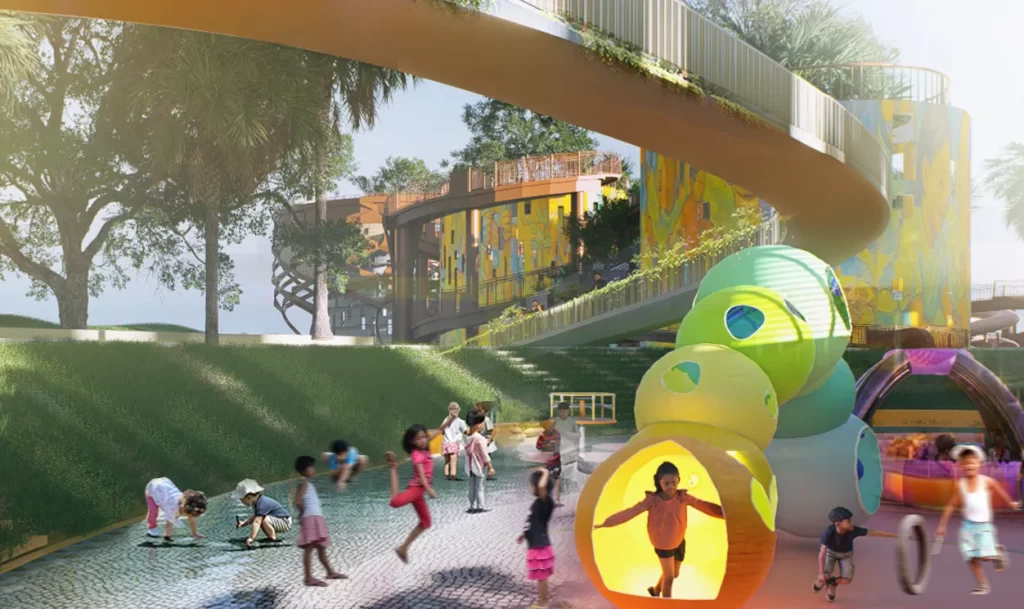
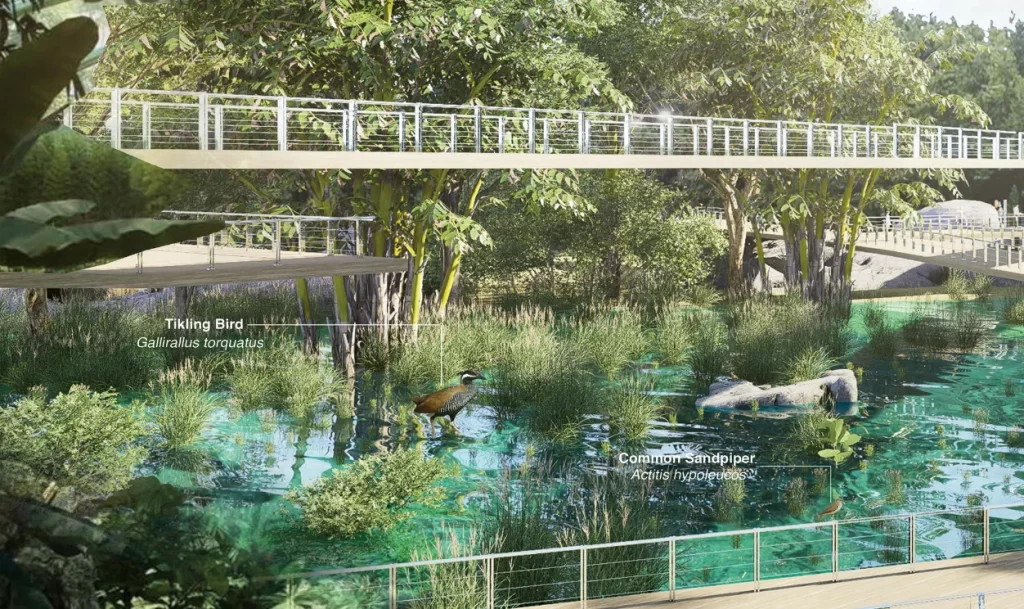
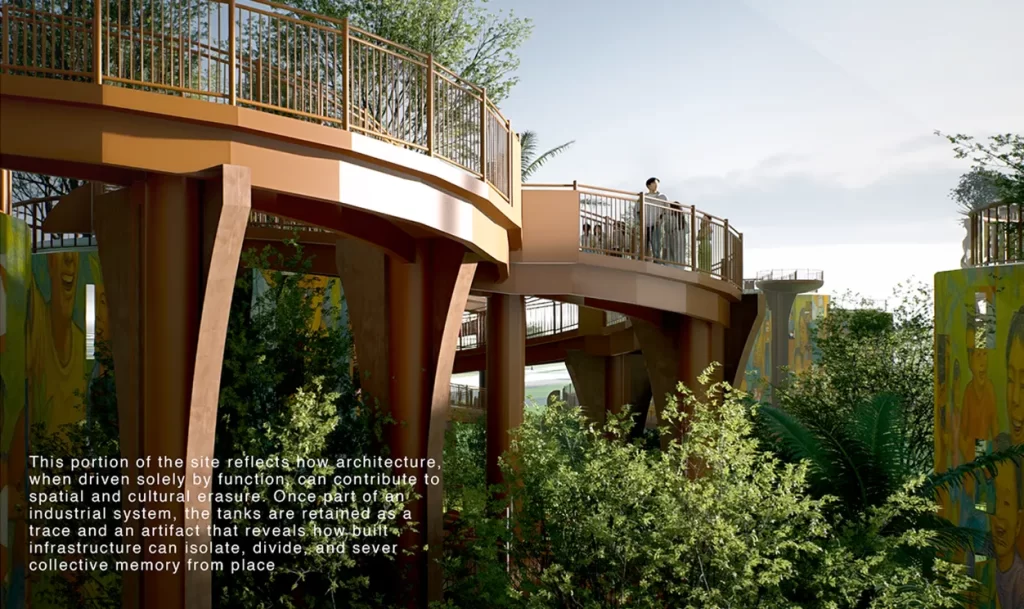
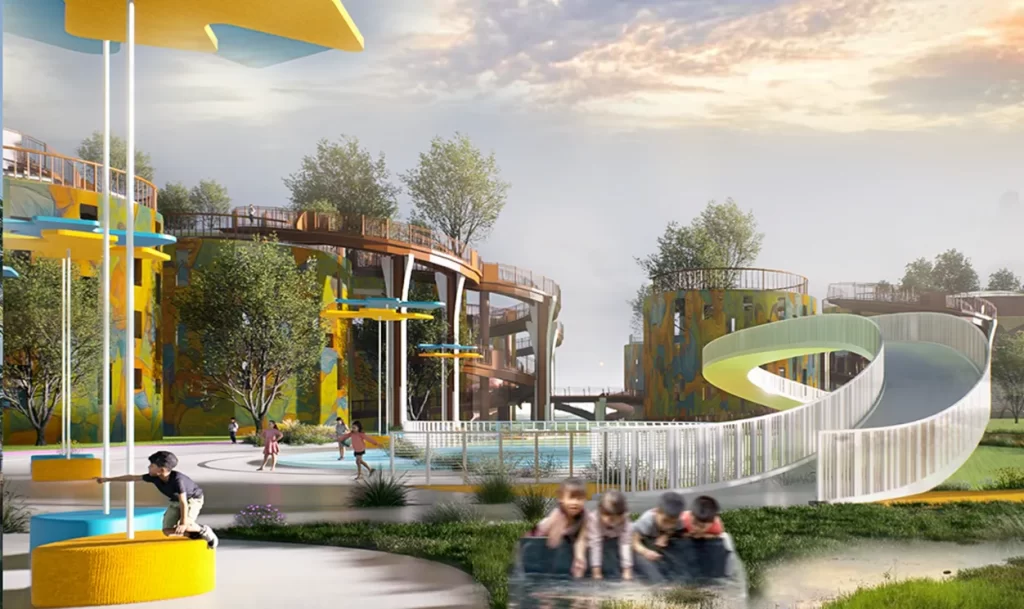
The strategy focuses on maintaining ecological balance by diversifying ecological patches that accommodate varied life-history needs and facilitate genetic exchange. Ecological observation platforms are carefully layered and staggered to create dynamic terraces and courtyards, elevating the experiential spaces while allowing nature to flourish on the ground below. By carefully selecting native plant species that are well-suited to the site’s condition, plants and pollinators draw in insects, setting off a vital ecological chain. Over the next ten years, these pioneering plants are expected to spread, promote the growth of new trees that will link and integrate the entire system.
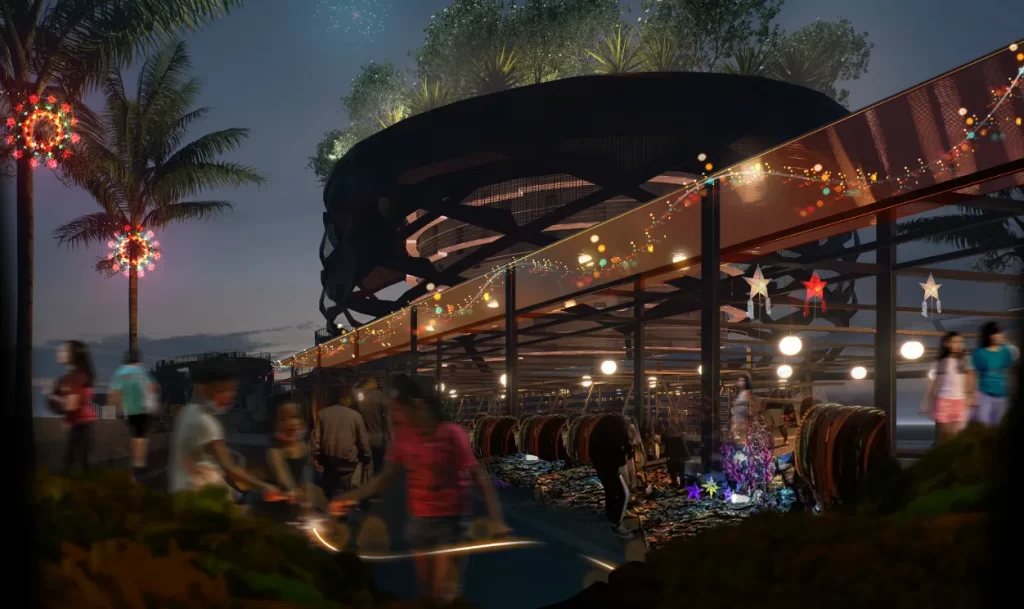
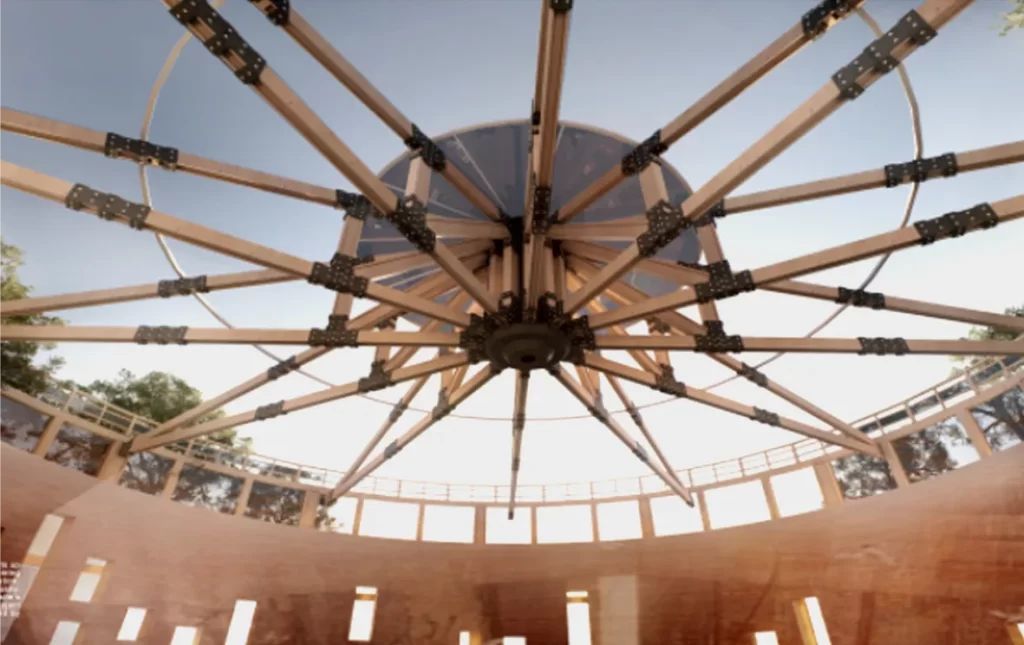
The Pandacan greenway is a series of walkways and repurposed tanks on an underground entry framed by a retaining wall. Layered transitions of space allow visitors to experience the tank as both destination and journey. Fresh air enters through low-level inlets near the underground access, while warm air rises and exits through the top vent.
The project introduces a clean biofuel facility and bag weaving community hub that turns water hyacinth an invasive species clogging the Pasig River into eco-charcoal, offering both an ecological solution and a livelihood source for nearby communities. The eco-charcoal facility offers a practical and sustainable alternative to traditional fuel sources. A Filipino household only needs 1.69 kilos of eco-charcoal to cook three meals a day less than half the 3.5 kilos typically required when using regular charcoal. This increased efficiency means less biomass is needed, helping to reduce environmental pressure. At the same time, the process of harvesting, processing, and distributing eco-charcoal creates livelihood opportunities for nearby communities. By removing invasive water hyacinth from the Pasig River, the facility supports the recovery of aquatic ecosystems sustaining life below water.
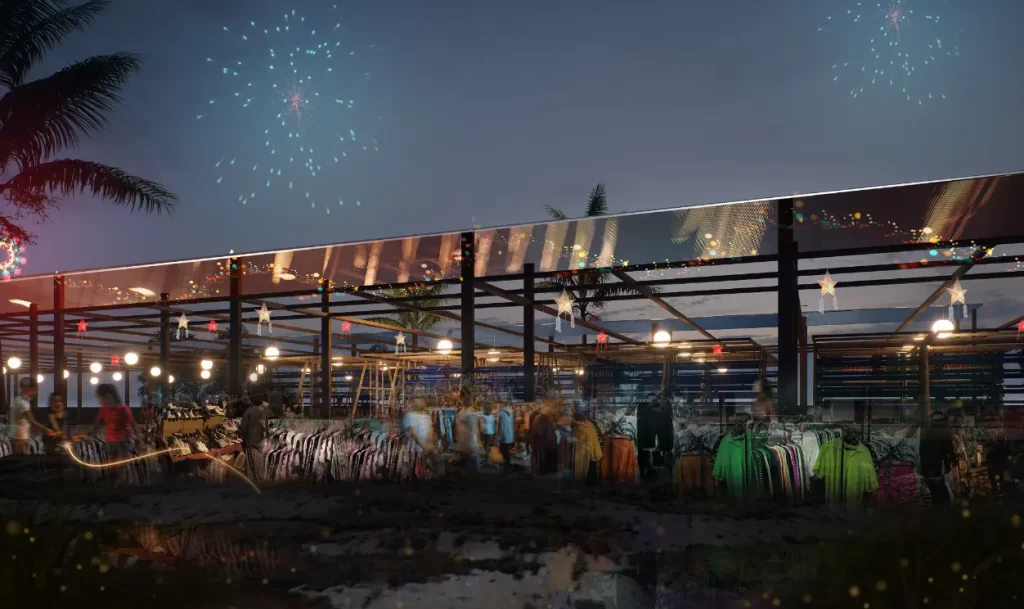
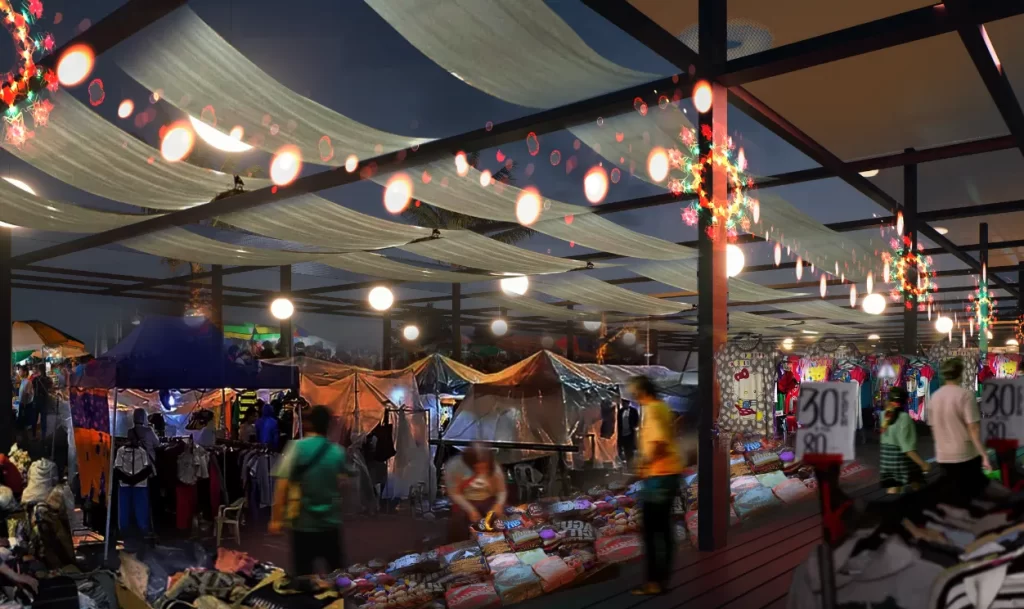
Spatial clustering of human activities is zoned with consideration for reduced pollution and easy clean up. The buildings are design with minimal footprint as much as possible, with toilet and sanitation design that uses urine diversion and dry composting techniques.
Just as water has perfect memory and forever finds its way back to the sea, we too are drawn to the familiar places that shaped us. In my case, that familiar place is a river somewhere in a rural area of Batangas that my lolo would take me to catch tiny fish to be put on Stick-O jars. Unlike the Pasig River, that river is now lifeless and beyond saving. In its death, I realized, it took with it the memories that other children, like I once was, will never have.

Showcase your design to an international audience
SUBMIT NOW
Image: Agrapolis Urban Permaculture Farm by David Johanes Palar
Top
Design Concept:Industrial to Ecological Reuse. The site’s industrial DNA is not erased, but rewoven as living, evolving landscapes. Love In The Time of Instant Cities Transforming The Pandacan Oil Depot from Post-Industrial to Eco-Urban, Manila This entry reimagines a post-industrial land located in the heart of Manila, as a catalyst for urban renewal, transforming “endings” into “beginnings” through a series of adaptive reuse and landmark transformation. A people’s garden recovering lost ecosystems, diversifying urban nature, and promoting social cohesion through the integration of built and natural landscapes in a series of socio-ecological placemaking. A pioneering model for post-industrial sites across the globe, that may provide answer in combating glocal inequalities arising from rapid urbanization, lack of green spaces, and environmental degradation. The Pandacan Oil Depot, located along the banks of the Pasig River in Manila, Philippines, has historically played a critical role as a storage and distribution hub for petroleum products. Over the years, several incidents highlighted the risks associated with storing and distributing hazardous materials in an urban area. Concerns about air pollution, fire hazards, and potential soil and water contamination due to petroleum leaks intensified as the depot continued operations in a rapidly urbanizing district. By 2015, the Pandacan Oil Depot ceased operations entirely, leaving a large, vacant industrial site in the core of Manila, close to both commercial and residential zones. With the oil depot gone, we are faced with a moment in history to redefine a vast industrial wasteland, not as another profit driven development, but a place that serves both people and nature. Reclaiming the narrative and answering the people’s resounding call for an eco-park. DESIGN THINKING If we employ both natural and human capital into an integrated system that allows post industrial sites to reach full potential, improves well-being, and adapts to ever- changing climate. How might we envision a different future not only for Pandacan residents but for greater Manila? THE MASTERPLAN A series of phased implementation results to a landscape that does not simply end at the property line, but flows in and out, allowing water to gradually move from the North back to the ecosystem. In this way, architecture becomes a bridge that connects the “Before” and the “After”, while celebrating the rebirth of the land. The strategy focuses on maintaining ecological balance by diversifying ecological patches that accommodate varied life-history needs and facilitate genetic exchange. Ecological observation platforms are carefully layered and staggered to create dynamic terraces and courtyards, elevating the experiential spaces while allowing nature to flourish on the ground below. By carefully selecting native plant species that are well-suited to the site’s condition, plants and pollinators draw in insects, setting off a vital ecological chain. Over the next ten years, these pioneering plants are expected to spread, promote the growth of new trees that will link and integrate the entire system. The Pandacan greenway is a series of walkways and repurposed tanks on an underground entry framed by a retaining wall. Layered transitions of space allow visitors to experience the tank as both destination and journey. Fresh air enters through low-level inlets near the underground access, while warm air rises and exits through the top vent. The project introduces a clean biofuel facility and bag weaving community hub that turns water hyacinth an invasive species clogging the Pasig River into eco-charcoal, offering both an ecological solution and a livelihood source for nearby communities. The eco-charcoal facility offers a practical and sustainable alternative to traditional fuel sources. A Filipino household only needs 1.69 kilos of eco-charcoal to cook three meals a day less than half the 3.5 kilos typically required when using regular charcoal. This increased efficiency means less biomass is needed, helping to reduce environmental pressure. At the same time, the process of harvesting, processing, and distributing eco-charcoal creates livelihood opportunities for nearby communities. By removing invasive water hyacinth from the Pasig River, the facility supports the recovery of aquatic ecosystems sustaining life below water. Spatial clustering of human activities is zoned with consideration for reduced pollution and easy clean up. The buildings are design with minimal footprint as much as possible, with toilet and sanitation design that uses urine diversion and dry composting techniques. Just as water has perfect memory and forever finds its way back to the sea, we too are drawn to the familiar places that shaped us. In my case, that familiar place is a river somewhere in a rural area of Batangas that my lolo would take me to catch tiny fish to be put on Stick-O jars. Unlike the Pasig River, that river is now lifeless and beyond saving. In its death, I realized, it took with it the memories that other children, like I once was, will never have.

The AYDA Awards is part of Colouring Lives, Nippon Paint’s Corporate Social Responsibility (CSR) programme, which is dedicated to nurturing the next generation of Architectural and Interior Design talents. Through cross-learning and industry exposure, AYDA provides a platform for students to develop their skills and grow as designers. Discover more of Nippon Paint’s CSR initiatives under Colouring Lives.