BACK TO Media
June 7, 2026
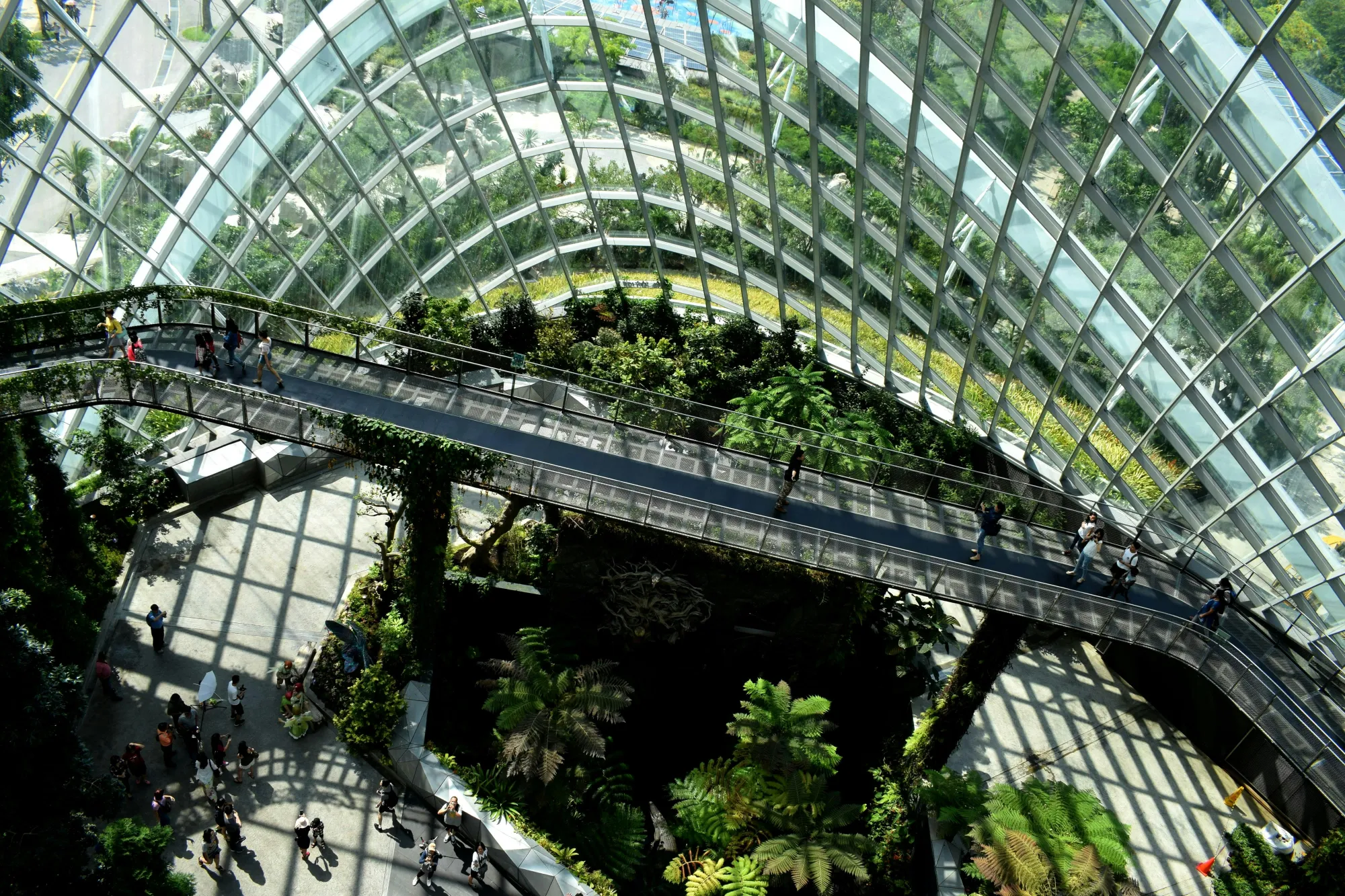
Sustainable architecture is no longer a niche concept; it's a global movement. Every year, we see a growing commitment to creating environmentally responsible and sustainable buildings, from individual homes to entire cities adopting green building codes. Architectural sustainability is a key focus as we continually search for ways to reduce energy consumption and minimise our environmental impact. But how can architects cultivate a passion for the environment and actively work to harmonise the relationship between humans and nature? Whether you're a young design professional, a student exploring career paths, or a parent of a budding designer, these insights will resonate with you.
Introducing Two Pioneers in Sustainable Design
The experiences of two distinguished architects enrich this exploration into sustainable architecture:
A Pioneer's Path: Early Adoption of Sustainable Practices
For Ar. Suhasini Ayer-Guigan, the journey towards sustainable design began long before it became mainstream. "In the 80s and 90s, architecture often felt like an individualistic creation, with a hierarchical structure led by a master designer and little collaboration between urban development and architects," she recalls. In those days, before widespread technological advancements, Suhasini, working in a rural area, had to be resourceful. She relied on locally sourced materials and focused on efficiently using energy and resources. She moved away from the traditional, top-down approach, creating buildings that embraced natural materials, light, ventilation, vegetation, and the local climate.
Beyond Formulas: Embracing a Holistic Approach to Sustainable Design
In the early 90s, academic circles often confined sustainability in architecture to courses primarily focused on environmental technology. Ar. Siritip Harntaweewongsa's curiosity and desire for more nuanced solutions led her to explore this field more deeply. "There seemed to be a set formula, and I felt that rigid boundaries shouldn't limit design," she explains.
Historically, architectural design methodology differed significantly from today's practices. Research wasn't always an integral part of the design process. During her postgraduate studies, Siritip immersed herself in research, studying how different climates required tailored design solutions. She credits her interactions with fellow international students for broadening her understanding of diverse environmental challenges and the need for specific rather than one-size-fits-all approaches.
Bridging the Gap: Integrating Research into Design Practice
One of the significant barriers to the widespread adoption of sustainable design was the disconnect between design and research. Siritip recognised this early in her career and made it her mission to integrate these two vital elements. "Those two elements must intersect to create successful designs incorporating sustainable features," she asserts. She honed her skills by working as an in-house sustainability expert at a design firm in Hong Kong, gaining valuable experience in testing and simulation for various projects before establishing her practice.
Nature as a Design Partner
Suhasini believes that the ideal building works in harmony with nature. "Early in my practice," she shares, "I began to think and build in tandem with nature, rather than in conflict with my surroundings, by consistently using readily available materials." What started as a collection of pamphlets and articles on zero waste gathered from conferences eventually blossomed into successfully implementing sustainable designs, earning her a national award for development for the rural community.
Embracing Sustainable Design Principles
Integrating nature into our built environment is not just a design challenge; it's a responsibility. This responsibility extends to material selection, where functional choices can drive environmental performance. Innovations like Nippon Paint’s heat-reflective cooling technology allow architects to actively reduce a building's energy consumption, proving that modern materials can work in tandem with climate-responsive strategies. By embracing sustainable principles, incorporating research into our design processes, and learning from pioneers like Suhasini and Siritip, we can create a built environment that is aesthetically pleasing and environmentally sound for future generations.
Are you a young designer passionate about shaping a sustainable future? Explore the AYDA Awards and join a community dedicated to design excellence and environmental stewardship.
Showcase your design to an international audience
SUBMIT NOW
Image: Agrapolis Urban Permaculture Farm by David Johanes Palar
Top

The AYDA Awards is part of Nippon Paint’s vision to nurture the next generation of Architectural and Interior Design talents. It serves as a platform to inspire students of these disciplines to develop their skills through cross-learning.