BACK TO Media
October 7, 2026
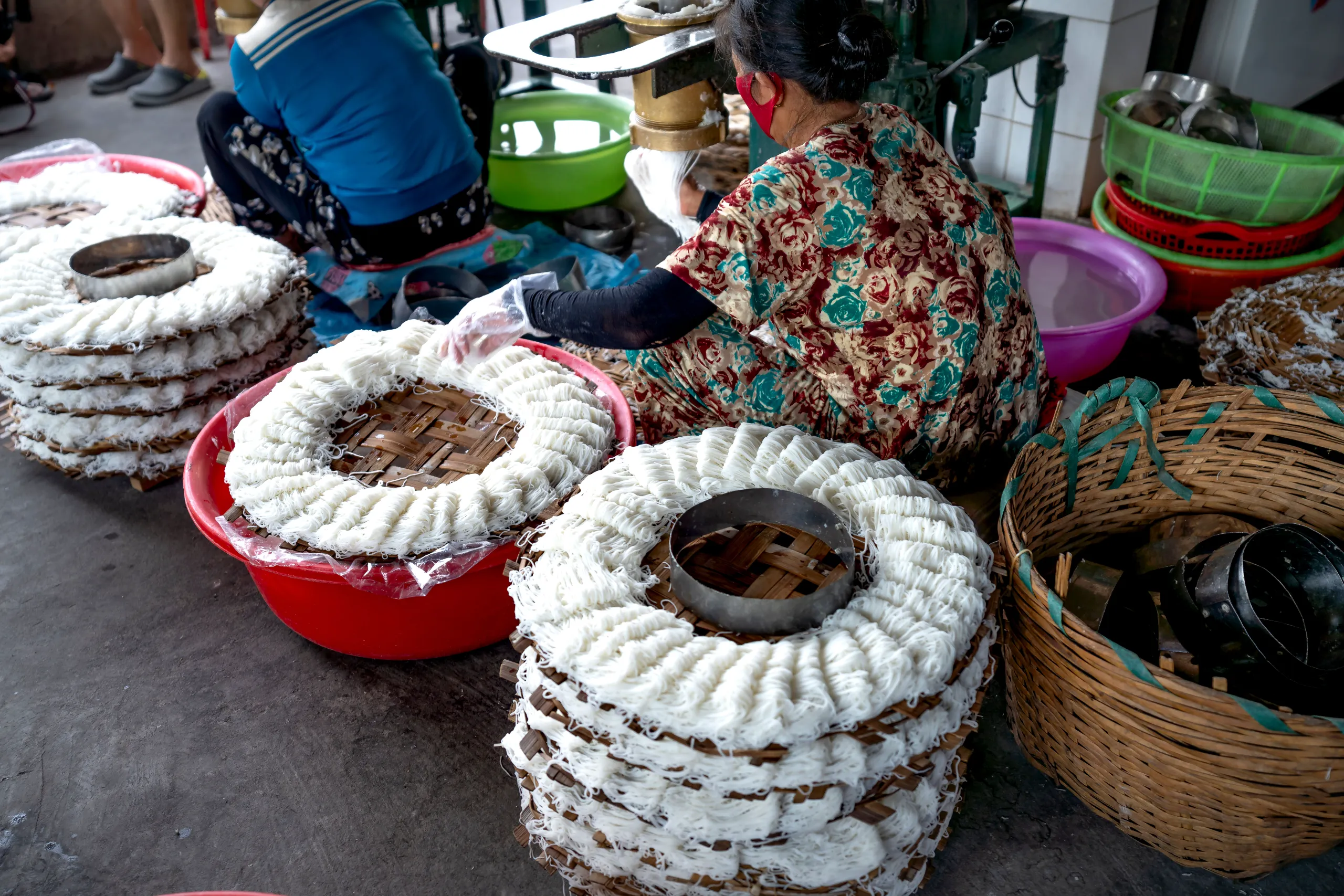
The hyperlocal approach, as championed by AYDA, requires a sophisticated and thoughtful commitment to "living within our means". It champions the wise utilisation of readily available resources and indigenous materials. This mindset mirrors the "Enough Thinking" philosophy highlighted in Nippon Paint’s Trend Beyond Colours forecast, which urges us to pause and appreciate the value of what already exists around us rather than constantly seeking the new. This focus is the foundation of environmentally sound and economically resilient design, directly supporting the Sustainable Impact principle of the theme. Your material choice is a core design decision that must reflect the specific climate, geography, and cultural heritage of your site, serving as the "bridge between culture and creation".
A Blueprint for Sustainability
The concept of integrating local materials is a direct response to the global challenges facing the built environment. As Judge Architect Stephen Zamwoe Shwe explained, the theme was set around "trying to deal with nature" and "trying to deal with the local materials". This is more than a trend; it is a strategic necessity for future-proofing.
By choosing materials close to the site, you directly address the Inherent Sustainability principle. Reducing the need for long-distance transportation of materials significantly lowers the project’s carbon footprint and reduces reliance on vulnerable global supply chains.
The future-proofing aspect of the theme encourages resource efficiency by leveraging local wisdom. This might involve using locally available materials and incorporating traditional techniques such as passive solar heating and natural ventilation. However, modern innovation has a role to play in supporting these traditional materials. Using eco-conscious finishes like Nippon Paint's Green Choice series ensures that while the structure relies on local timber or earth, the protective coatings remain low-VOC, water-based, and environmentally responsible. This merges vernacular wisdom with modern safety standards. Architect Santhosh Shanmugam advised students to look at what "the local context gives you" rather than trying to be "very international and everything".
Empowering Local Economies and Safeguarding Heritage
The decision to use local materials serves a powerful dual function beyond environmental benefit: it creates immense economic and cultural value. The hyperlocal approach powerfully bolsters regional economies by providing vital opportunities for local artisans, skilled craftspeople, and small businesses. This strengthens the local economic fabric and, crucially, preserves valuable skills and traditional knowledge that might otherwise fade away. This is a vital strategy for both economic resilience and the safeguarding of our intangible cultural heritage.
Judge Interior Designer Bindra Kachhipati Pradhan highlighted the emotional connection in design, noting that the student works showed a high degree of "emotional attachment also". By integrating craft and indigenous techniques, design reinforces its connection to place and allows spaces to speak a language rooted in their specific cultural and geographical setting.
To meet the design challenge, you must intelligently respond to the site by drawing inspiration from vernacular building techniques and typologies found in the local area, reinterpreting them for contemporary relevance and resilience. This commitment, as explained in the entry kit, requires creating environments grounded in history and relevant to the present day, offering continuity while embracing progress. This is the essence of Heritage Reinterpretation.
Working in Harmony with Nature
Ultimately, your design must adopt a mindset that sees nature not as an adversary, but as a design partner and the ultimate workbook. As Architect Santhosh Shanmugam stated, he always believes "architecture is to touch humanity... it is to conserve nature". By observing and emulating nature's inherent efficiencies and adaptive strategies, designers can create spaces that are not only sustainable and resilient but also deeply restorative for human well-being.
To achieve this, you should embrace Biomimicry, which encourages designers to draw lessons from nature’s proven strategies for efficiency, resilience, and sustainability. This can be as complex as developing advanced structural systems or as practical as utilising innovations like Nippon Paint's Heat Reflectant Solutions. These coatings mimic the way nature uses light-coloured surfaces to stay cool, such as how white sand reflects the sun rather than absorbing it. By actively reflecting heat, these solutions help regulate indoor temperatures without relying heavily on energy-intensive air conditioning.The use of locally sourced, appropriate materials aligns your project with the earth’s proven strategies for efficiency and resilience, ensuring future-proofing through local ecosystem integration and inherently promoting environmental responsibility, thus significantly minimising the project’s carbon footprint.
Showcase your design to an international audience
SUBMIT NOW
Image: Agrapolis Urban Permaculture Farm by David Johanes Palar
Top

The AYDA Awards is part of Colouring Lives, Nippon Paint’s Corporate Social Responsibility (CSR) programme, which is dedicated to nurturing the next generation of Architectural and Interior Design talents. Through cross-learning and industry exposure, AYDA provides a platform for students to develop their skills and grow as designers. Discover more of Nippon Paint’s CSR initiatives under Colouring Lives.